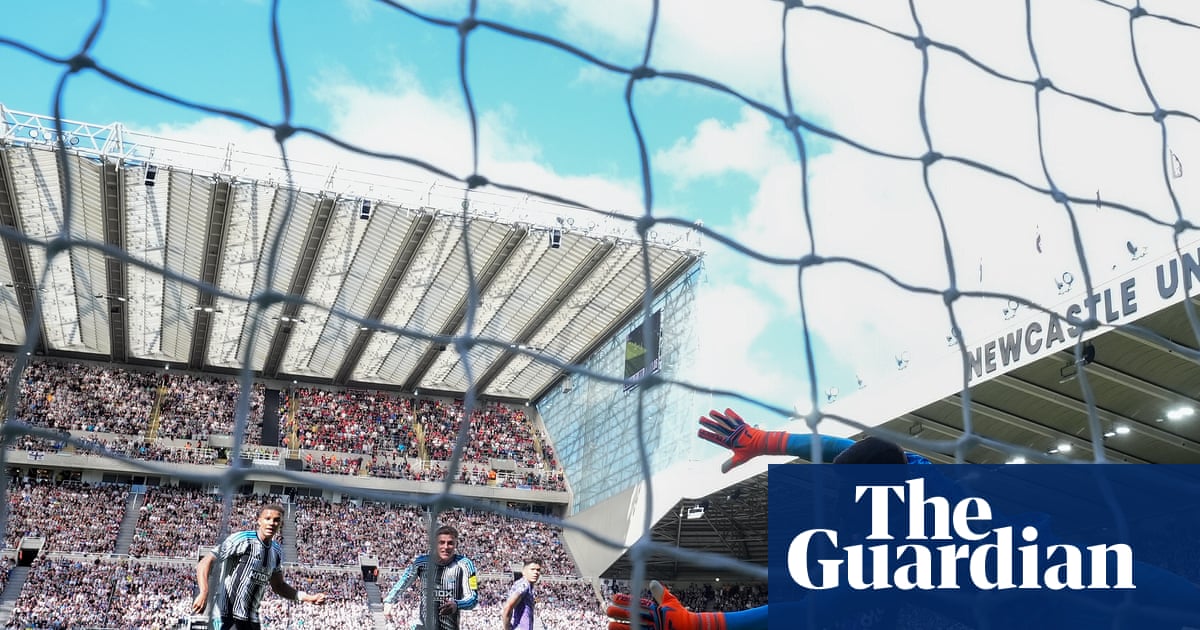
Manchester United are sleepwalking into a Bournemouth nightmare

The Vitality Stadium Trap
There is a specific kind of dread that accompanies a Manchester United away day to the south coast. It is not the grand, operatic anxiety of a trip to Anfield or the Etihad; it is something far more insidious. It is the feeling of a team that has forgotten how to control the tempo of a game, arriving at a venue where the home side thrives on chaos, high-pressing intensity, and the sheer audacity of youth. As the team sheets dropped, the surprise wasn't that Erik ten Hag kept his side unchanged—it was the quiet resignation that this specific eleven has become the manager's default setting, regardless of the structural flaws they have displayed for weeks.
The Vitality Stadium is a claustrophobic theatre of football. The fans are right on top of you, the pitch feels tighter than a drum, and Andoni Iraola has turned Bournemouth into one of the most efficient transition machines in the Premier League. For United, who have spent the better part of the season looking like a team held together by duct tape and individual moments of brilliance, this was always going to be a tactical acid test. Choosing to stick with the same lineup that struggled to contain transitions against lesser opposition suggested a belief in continuity that bordered on stubbornness.
The Midfield Vacuum
The defining feature of this United era remains the cavernous gap between the defensive line and the midfield pivot. Kobbie Mainoo, for all his precocious talent and poise, is being asked to perform a role that requires the engine of two men. When United lose the ball—which happens with alarming frequency in the final third—the transition back is often a comedy of errors. Casemiro, once the immovable object of European football, now finds himself chasing shadows, his legs unable to reconcile with his tactical brain.
The structure of this team is not just porous; it is fundamentally broken. You cannot expect to compete in the upper echelons of the English game when your midfield is essentially a transit lounge for opposing attackers.
Against a Bournemouth side spearheaded by the relentless Dominic Solanke, this lack of protection is fatal. Solanke doesn't just score goals; he acts as a pivot point, dragging center-backs out of position and creating space for the likes of Antoine Semenyo and Justin Kluivert to exploit. Every time United pushed forward, the risk-reward ratio tilted dangerously in favor of the hosts. It felt as though every United attack was merely a precursor to a Bournemouth counter-attack.
The Tactical Stagnation
Why exactly has Ten Hag opted for consistency over adaptation? Perhaps he believes that these players, if given enough time together, will eventually click into a cohesive unit. Yet, the evidence on the pitch suggests otherwise. The patterns of play are predictable: a long ball to the wings, a hopeful cross, or a moment of individual magic from Bruno Fernandes. There is no discernible 'identity' beyond the reactive nature of the team.
- Individual brilliance vs. collective structure
- The decline of the high-press transition
- The over-reliance on late-game heroics
- Defensive lapses in concentration
The lack of tactical evolution is becoming the defining narrative of the season. Teams have figured out the United blueprint: sit deep, absorb the pressure, and hit them on the break. It is a simple formula, yet it continues to yield results for the opposition. When Erik ten Hag looks at his bench, he sees a lack of depth that is undeniably concerning, but sticking to a failing plan is a choice, not a necessity.
The Cost of Inconsistency
If United are to salvage anything from this campaign, they need to stop relying on the 'magic' of the comeback. There is a fragility to this squad that manifests the moment they concede the first goal. The body language shifts, the shoulders slump, and the tactical discipline evaporates. It is a psychological hurdle that no amount of training ground drills can fix; it requires a complete shift in the culture of the dressing room.
The supporters, who have traveled the length of the country to witness this, are growing weary of the excuses. They see the same mistakes repeated, the same defensive lapses, and the same lack of urgency. The manager speaks of 'processes' and 'building,' but in the cut-throat world of the Premier League, patience is a finite resource. If the team cannot find a way to dominate a game against a mid-table side, the questions about the future of the project will only grow louder.
Defining Moments of the Match
The turning point often arrives in the form of a missed opportunity. When Alejandro Garnacho found himself through on goal, the stadium held its breath. A clinical finish would have changed the entire complexion of the afternoon, forcing Bournemouth to abandon their high line and chase the game. Instead, the ball fizzed wide, and the momentum swung back to the hosts. It is these fine margins that separate the contenders from the also-rans.
Then came the defensive lapse—a simple ball over the top, a miscommunication between the center-backs, and suddenly the goal was gaping. It wasn't a moment of genius from Bournemouth; it was a gift, wrapped and delivered by a United defense that looked like it had never played together. This is the reality of the current United side: they are their own worst enemy.
Looking Ahead
As the final whistle approaches, the narrative remains consistent. United are a team in transition, yes, but they are also a team that seems to be moving in circles. The talent is there—the flashes of quality from Rasmus Hojlund and the relentless running of Diogo Dalot prove that there are building blocks—but the structure is failing them. Without a rethink of the tactical approach, these away days will continue to be exercises in frustration.
Perhaps the most damning indictment is that nobody is truly shocked. The expectancy has shifted from 'United will win' to 'United might survive.' That is a dangerous place for a club of this magnitude to inhabit. The project is at a crossroads, and the decisions made in the coming weeks will define not just the end of this season, but the trajectory of the club for years to come. Whether Ten Hag can steer the ship back to safety remains the most compelling question in English football.
Read Next
Adidas Adult Unisex MLS Club Competition Soccer Ball
A high-quality match ball that feels like the real deal.
Frequently Asked Questions
Why is the Vitality Stadium a difficult venue for Manchester United?
What is the primary structural flaw in Manchester United's midfield?
How does Dominic Solanke exploit Manchester United's defensive setup?
What concerns are raised about Casemiro's current performance?
What are the predictable patterns of play in Erik ten Hag's current system?
More Coverage

Top 10: World Football's Biggest Storylines, Scandals, and Shocks of 2026
13 hours ago
Why Martin Odegaard and Premier League Stars Are Obsessed With VR
20 hours ago
Max Dowman suffers Arsenal injury scare on England duty
1 day, 3 hours ago
Why Man City fans are fighting the entire internet after their guilty verdict
1 day, 10 hours ago
Eight Premier League stars make Golden Boy list as Pau Cubarsi leads the pack
1 day, 12 hours ago
Premier League rivals don't expect Man City back in top flight next season
1 day, 17 hours agoMore Match Reports

Fred Calling Ten Hag a Piece of Crap Confirms What We All Knew
2 days, 18 hours ago
Heimir Hallgrimsson is walking Ireland into a Nations League nightmare
1 week, 5 days ago
Liverpool face major squad depth test as eight players miss Bournemouth clash
2 weeks, 2 days ago
Arsenal eye £100m Eli Junior Kroupi transfer as January forward search heats up
2 weeks, 4 days agoThe Europa League is officially the most entertaining tournament in football
2 weeks, 5 days ago