Behind the Numbers: United's £60m Opening Offer
Deadline day is approaching rapidly, and Manchester United are pressing hard to complete their central midfield overhaul. Reports from Mirror Football confirm United have submitted a formal package of £60million with an extra £5million in add-ons for Brighton star Carlos Baleba. The Athletic indicates both clubs are closing in on an agreement, even though the opening offer lands slightly below Brighton's internal valuation.
Michael Carrick guided United back into the Champions League qualification spots last term. That success accelerated plans to revamp an engine room that often appeared light against top-tier European opposition. United already secured Youri Tielemans and Andrey Santos earlier this window, but Carrick wants a third central force before the deadline passes.
United's pursuit of Baleba is not a sudden impulse. Old Trafford officials targeted the 22-year-old Cameroonian international twelve months ago, only for Brighton owner Tony Bloom to shut down negotiations immediately. Bloom reflected publicly on that initial rejection during a previous briefing.
"There was interest from Manchester United, and we said that he wasn't available this summer and they went away. So we've had many bigger sagas in the past. But Carlos Baleba, his improvement has been immense. Massively important player to this football club, and just delighted that he's with us for this season."
That resolve has shifted now that United have returned with structured capital. Negotiators from both boards remain locked in talks to finalize add-on clauses and payment schedules. If completed, the transfer marks United's largest single outlay of the summer window.
Tactical Profile and the Medical Red Flag
Carrick's tactical framework requires midfielders who can withstand high pressing while covering ground in transition. Baleba excels at receiving the ball under pressure, turning tightly, and driving forward into vacant spaces. Neither Tielemans nor Santos provides that exact blend of physical power and ball-carrying acceleration.
Yet this deal carries an immediate red flag that cannot be ignored. Baleba is currently recovering from an ankle ligament injury sustained during pre-season work. While Brighton's medical team expects him back short-term, spending over £60million on a player with active structural joint damage is an enormous risk.
United have suffered repeatedly from recurring injury crises in recent seasons. Dropping massive capital on a player who cannot complete immediate pre-season training creates instant tactical complications. If his rehabilitation stalls, Carrick starts the autumn schedule short-handed despite heavy financial investment.
Managing squad harmony presents another immediate hurdle for the coaching staff. Integrating Tielemans, Santos, and Baleba into two or three central spots means leaving quality players on the bench. Carrick must establish clear roles quickly to avoid early dressing room discontent.
The Myles Lewis-Skelly Wildcard
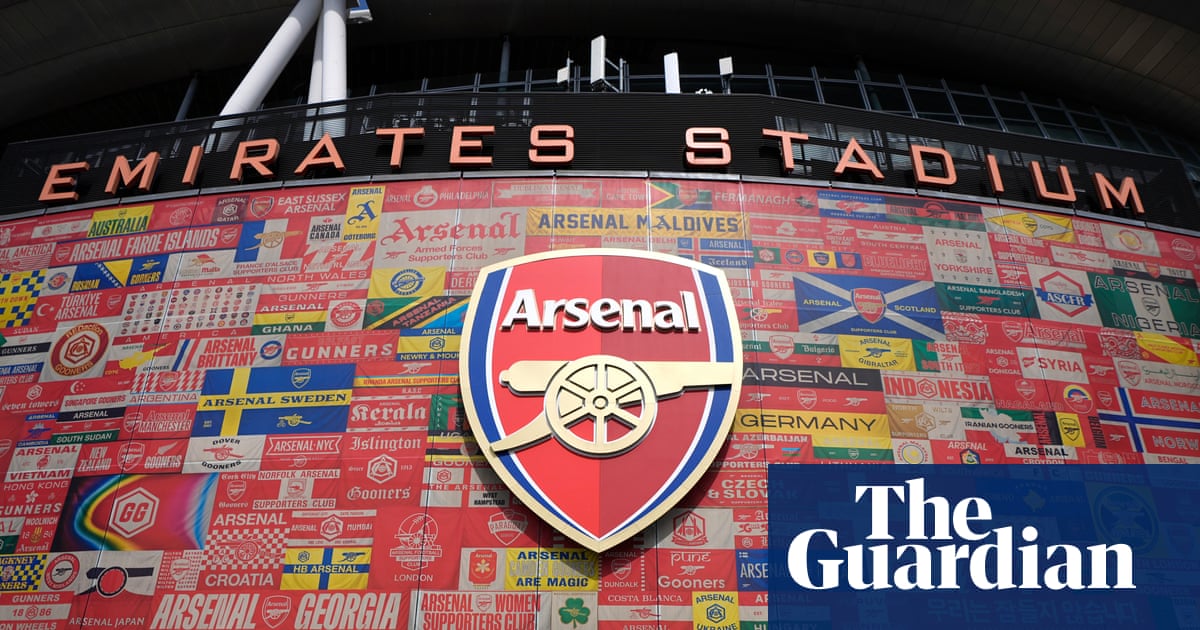
While negotiations for Baleba move toward a resolution, secondary transfer stories link United with Arsenal prospect Myles Lewis-Skelly. The 19-year-old utility player faces a blocked pathway to first-team minutes at the Emirates Stadium following Bruno Guimaraes' big-money arrival from Newcastle United. As detailed by Mirror Football, Arsenal chief executive Richard Garlick refused to rule out selling the teenager when asked directly about his future alongside academy teammate Ethan Nwaneri.
"There's been a lot of speculation around players. I can't stop other clubs being interested. I think Myles has had a fantastic end to last season and has started this one really well - we're very, very happy with him. Ethan has had a great pre-season as well and I think it's just a case of looking at what opportunities there are that will help both of those in terms of their career moving forward. We are not actively looking at selling those homegrown players but if the right opportunity came up - right for them and the club - we'd obviously consider that."
Lewis-Skelly operates naturally at left-back and as an inverted central midfielder. United remain in the market for left-back depth, making the tactical link logical on paper. Arsenal offered the player to both United and Chelsea as homegrown sales yield pure profit under financial sustainability regulations.
However, paying a heavy fee to help a direct top-four rival balance their books after signing Guimaraes makes little strategic sense. United should avoid acting as a financial relief valve for Arsenal's summer spending. Carrick must maintain focus on primary targets rather than chasing opportunistic market entries.
Evaluating Old Trafford's Rebuild Strategy
Rebuilding an entire midfield unit within a single summer transfer window is a high-wire act for any Premier League club. Introducing three new central players requires significant tactical adjustments and patience during competitive fixtures. Carrick is betting that raw physical athleticism can mask early communication errors on the pitch.
United's three central midfield acquisitions each carry distinct tactical responsibilities within Carrick's system. Youri Tielemans acts as a deep-lying playmaker responsible for tempo control, long-range distribution, and set-piece execution.
Andrey Santos operates as a high-energy box-to-box engine providing defensive pressing, tackling volume, and late runs into the penalty box. Carlos Baleba functions as a defensive ball-carrier specializing in press resistance, physical recovery, and broad positional coverage.
On paper, the profile blend appears balanced and complementary. Tielemans dictates play from deep, Santos roams aggressively, and Baleba protects the back line against counter-attacks. In reality, building defensive chemistry requires months of repetitive training drills.
Brighton's operational strategy continues to set the benchmark for selling clubs. Tony Bloom's board extracts top value for established starters before reinvesting in low-cost talent worldwide. Securing £60million upfront for Baleba reinforces Brighton's financial dominance while forcing United to pay premium rates for squad repair.
Financial Implications and Boardroom Pressure
United's willingness to sanction a £60million opening bid reflects mounting pressure on executive leadership. Finishing in the Champions League places provided financial stability, but fans expect the squad to challenge for silverware. Failing to address central midfield weakness would have drawn fierce criticism from supporters.
At the same time, overpaying for targets near the deadline limits future financial flexibility. United have streamlined their wage structure over recent months, creating room for incoming players. However, committing heavy funds to transfer fees restricts movement in upcoming January windows.
Chelsea remain attentive in the background regarding Lewis-Skelly's situation. A bidding war between rivals would drive the teenager's price tag beyond reasonable limits. United must establish strict financial boundaries and walk away if Arsenal demand an inflated sum.
The coming days will test Old Trafford's recruitment department under intense scrutiny. Negotiating complex add-on structures while managing medical evaluations requires fast execution. Mistakes made during deadline week often reverberate across an entire season.
Probability Breakdown and Deadline Forecast
The transfer pipeline is narrowing fast as the August 2026 window approaches its final hours. Strategic clarity will separate successful recruitment from wasteful panic buying on deadline day.
Carlos Baleba to Manchester United stands at a High probability rating, with an estimated 75% chance of completion. Dialogue between United and Brighton has progressed well past initial inquiries. Both clubs expect to finalize add-on structures and structure payment installments within 48 to 72 hours.
Myles Lewis-Skelly to Manchester United sits at a Low-Medium probability rating, carrying a 30% chance. Arsenal are open to business for the right price, but Carrick's primary budget is locked into the Baleba deal. Unless United clear peripheral squad players or structure a late loan with an option to buy, secondary moves will take a backseat.
Carrick has made his tactical priorities clear to the board. He wants dynamic power, aerial dominance, and recovery speed in central areas for Champions League football. Securing Baleba delivers his core target, but the medical risks ensure every performance will be scrutinized from day one.
Read Next
- Why Carlos Baleba solves Man United's glaring midfield problem
- From Michael Knighton to Eden Hazard, August 19 Always Delivers Chaos
- Arteta wants Arsenal to rule global football and fans don't know how to react
- Gavi turns down Man United move as Michael Carrick's summer plan stalls
- 🏆 Europa League Final 2026 — Full Coverage Hub