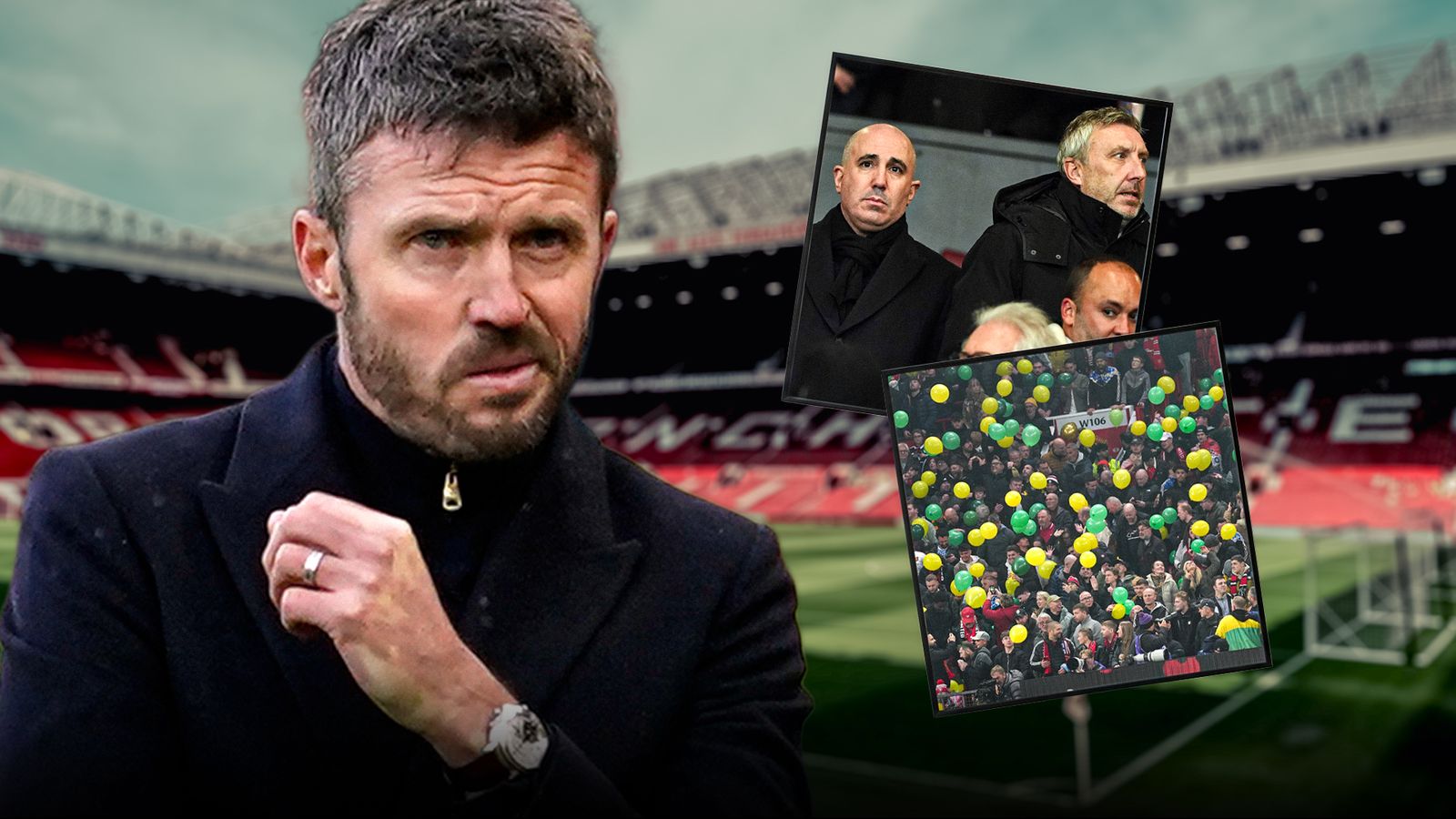
Pull up a chair, order a double, and open Twitter. Manchester United are sitting in the Premier League drop zone in mid-November for the first time in 40 years. Michael Carrick was just pushed out the door, making him the fifth manager sacked in eight years.
First came José Mourinho, then Ole Gunnar Solskjær, Erik ten Hag, Ruben Amorim, and now Carrick. It is a managerial churn that makes a Spinal Tap drum audition look remarkably stable. The online fan reaction right now is pure, unfiltered sports bar chaos.
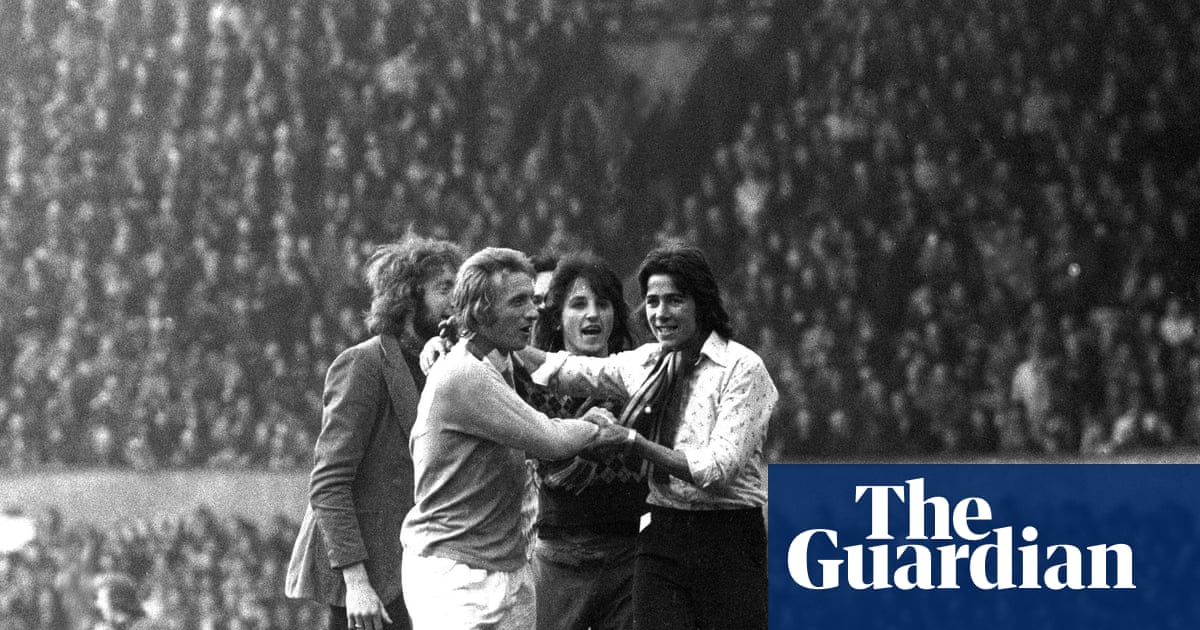
As The Guardian reported yesterday, the ghosts of 1974 are suddenly knocking on the windows of Old Trafford. Back then, Sir Matt Busby watched from the directors' box while his successors burned through the furniture. Today, Sir Alex Ferguson occupies that exact same grim spectator seat while the club spirals.
The Copium Syndicate: Relegation as a Romantic Cleanse
Every fanbase has its lunatic fringe, but United supporters on Reddit have unlocked a bizarre new stage of grief. A surprisingly vocal faction is trying to convince everyone that dropping into the Championship would actually be good for the club's soul. They call it the necessary hard reset.
Their logic leans entirely on Tommy Docherty. When Docherty took over a sinking ship in December 1972 after a heavy defeat at Crystal Palace, he acted with ruthless intent. He showed the door to Tony Dunne, Pat Crerand, David Sadler, and Denis Law, while Bobby Charlton decided to retire at 37.
George Best was finally cast aside after turning up late once too often, playing his final match on New Year's Day 1974. Docherty released thirteen players that summer. He refused to let aging heroes drag down the future of the team.
The optimists in the comment sections point to what happened next. Docherty went out and signed young, hungry talent like Steve Coppell from Tranmere, Stuart Pearson from Hull, and Jim Holton from Shrewsbury. He benched cautious tactical setups and unleashed a fearless 4-2-4 formation that revived attacking football.
Fans romanticize the sheer atmosphere of Old Trafford pulling average crowds of over 47,000 in the Second Division. United away fans descended on towns and cities, routinely outnumbering home supporters wherever they traveled. The Doc gave them swagger in the second tier.
Docherty perfectly captured that defiant bravado when asked on the Old Trafford pitch if the club would drift into obscurity:
“No, there’s no danger. We could wash the jerseys here and hang them out to dry and you’d get 15,000 people standing watching them do so.”
The romantic faction genuinely believes history can repeat itself fifty years later. They envision clearing out the high-priced dressing room and taking an indie tour through the lower leagues before storming back stronger. It sounds poetic after four pints.
The Spreadsheet Doomers: A Direct Flight to Ruin
Then come the skeptics, armed with debt ledgers and pure dread. For every fan daydreaming about packing out away ends at Plymouth, there is a terrified realist screaming into the timeline. These supporters know modern football has zero room for romantic rebuilding tours.
In 1974, relegation was an almighty embarrassment, but it was not an economic apocalypse. Clubs did not lose titanic broadcast revenue deals back then. United were not saddled with mountains of debt dumped on them by their owners.
The doomer camp keeps hammering the financial traps. Today's United maintain a monstrous wage bill tied directly to European competition. Their squad is packed with players on massive, long-term deals negotiated by sharp agents, making unwanted stars nearly impossible to sell.
Docherty could turn things around because the transfer market was fundamentally flexible. He snapped up George Graham from Arsenal for £120,000 the day after taking the job. He convinced Alex Forsyth to arrive from Partick for £100,000, and pulled off a coup by signing Lou Macari for £200,000 away from Liverpool while sitting bottom of the league.
The bleaker parallel is the sheer comedy of United's attack. During the 1973-74 campaign, Docherty's side could not score to save their lives. Midway through that nightmare season, United's joint-top scorer was Alex Stepney, their goalkeeper who had converted two penalties.
Social media critics love pointing out that United's current forwards are barely matching a 1970s goalkeeper's output. To cap off that historic disaster, Denis Law scored a late back-heel winner for Manchester City on the penultimate weekend to seal United's fate. Rival supporters are already licking their chops for a sequel.
The Boardroom Cynics: Five Managers, Zero Accountability
The sharpest division across fan forums is not about the squad; it is about the executives upstairs. A massive bloc of supporters argues that sacking Carrick solves nothing. Sacking five managers in eight years proves the dugout is just a revolving door for boardroom failure.
This group sees Carrick as another convenient shield for corporate dithering. When José Mourinho, Ole Gunnar Solskjær, Erik ten Hag, Ruben Amorim, and now Carrick all run into the same brick wall, the problem is not tactical nuance. The institution itself is broken.
History offers another grim echo here. When Matt Busby phoned Docherty on a Sunday evening in December 1972 to offer him the reins, Busby did not sugarcoat the disaster:
“It’ll be like turning an oil tanker round, only bigger.”
Busby told Docherty he might have to take a step back to take a leap forward. Cynical fans note that modern United have taken about a dozen steps backward without ever discovering the forward gear. The boardroom has spent an entire decade spinning the wheel while sailing toward the rocks.
The Sports Bar Verdict: The Doomers Win by Knockout
So which camp has the stronger case? Anyone pretending that a season in the Championship would be an invigorating cultural retreat needs to splash cold water on their face. The doomers take this debate in a clean sweep.
Docherty pulled off his second-division miracle because the gap between tiers was narrow. When United came straight back up, they finished third in the top flight and only lost the FA Cup final 1-0 to Southampton. That kind of rapid recovery belongs to another century.
As The Guardian's historical breakdown makes painfully clear, modern relegation means catastrophic financial penalties. Today's supporters do not have the patience Docherty enjoyed, and modern owners do not hand out cases of champagne when you drop down. A trip to the second tier would not fix United; it would dismantle them.
If United cannot drag themselves out of the bottom three before spring, this will not be a spirited retelling of 1974. It will be the most humiliating collapse in Premier League history.