The Corporate Balance Sheet: Record Revenue Meets Hard Net Losses
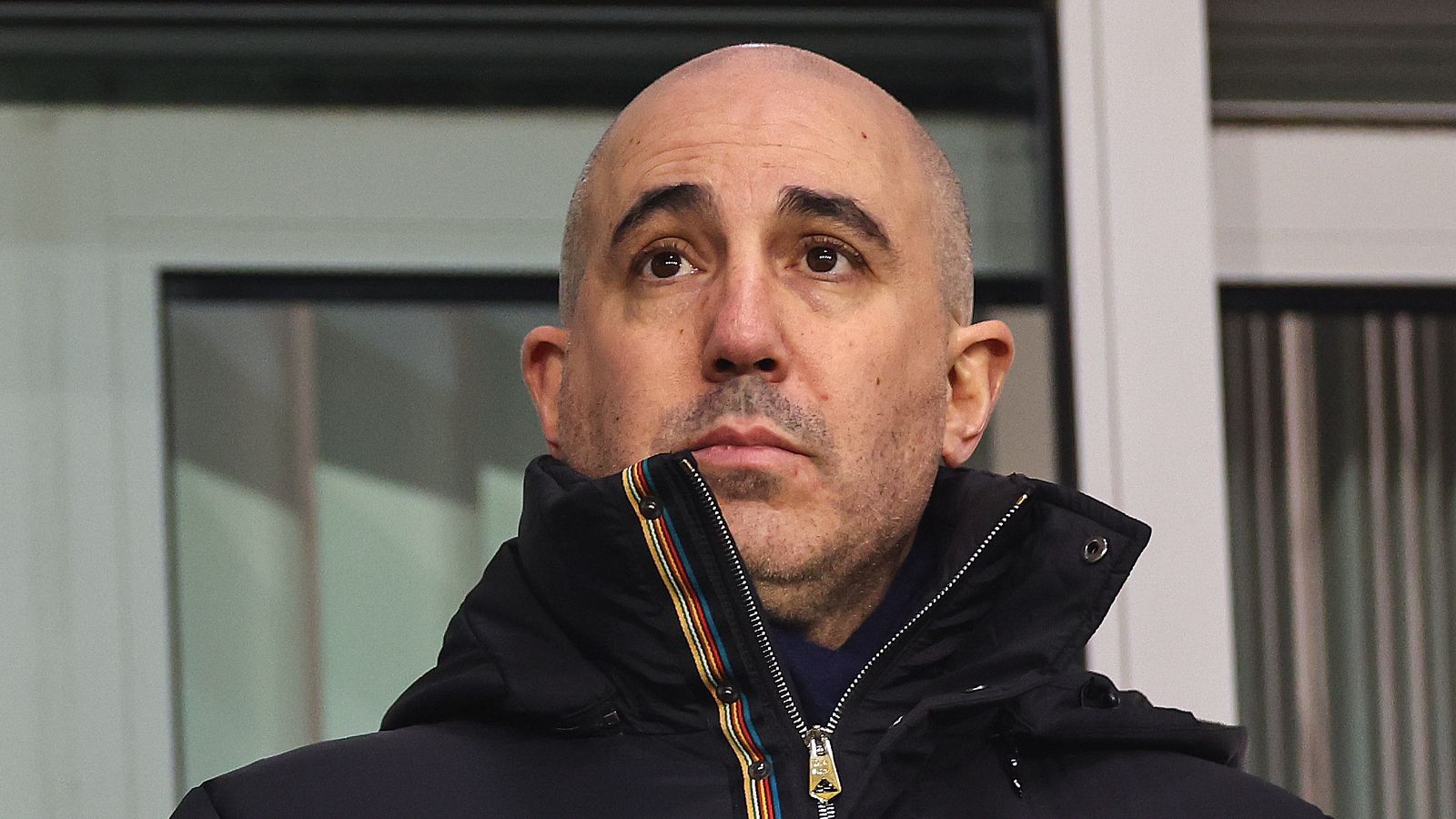
Manchester United Chief Executive Officer Omar Berrada recently unveiled the club's financial results for fiscal year 2026, presenting a picture defined by sharp financial contrasts. On paper, the commercial division continues to show remarkable resilience. Sir Jim Ratcliffe's aggressive cost-cutting measures helped the club post record revenues, even during a year stripped of European football.
Total revenue rose by 1.7 per cent to reach £677.6 million, surpassing the previous full-year figure of £666.5 million. Achieving that growth without Champions League broadcasting money or a training kit sponsor in place was no small operational feat. Corporate restructuring and headcount reductions over the past two fiscal years helped stabilize internal operations across Carrington and Old Trafford.
Yet, beneath that top-line record lies an uncomfortable bottom-line reality. United posted a full-year operating profit of £22.6 million, but overall annual results showed a net loss of £43 million. That represents a significant widening from the £33 million loss recorded in the prior year.
The loss was driven in large part by a sharp decline in matchday income, which dropped by £6.8 million year-on-year. Without European fixtures on the calendar, Old Trafford hosted ten fewer home matches across the 2025/26 campaign. Early exits in both domestic cup competitions further starved the club of turnstile revenue.
As detailed in financial disclosures reported by Mirror Football, the absence of European football forced executive leadership to operate with strict financial discipline. However, trimming administrative overhead only protects a balance sheet so far when matchday revenues collapse.
Severance Savings, Wage Cuts, and Managerial Churn
To combat mounting operating pressures, Ratcliffe prioritized getting payroll expenses under control. United's annual wage bill fell to £302 million for the fiscal year. Executive management attributed this drop directly to changes in the composition of the men's first-team squad, alongside broader headcount reduction programs.
The club also saw a massive reduction in managerial payout expenses compared to previous cycles. Sacking manager Ruben Amorim and his staff earlier this year cost the club £8.2 million in severance fees. While £8.2 million is still a substantial sum to write off for a failed managerial tenure, it represents a fraction of previous payouts.
Just one year earlier, United handed out an astonishing £36.6 million to dismiss Erik ten Hag and his backroom team. Board members view the lower Amorim payout as evidence of smarter contract structuring under the current regime. Saving £28.4 million on severance helps protect operating margins, but it does not erase the underlying problem.
Repeatedly sacking managers highlights a lingering technical instability that financial engineering cannot solve. Shifting tactics every eighteen months creates squad bloat and forces expensive squad overhauls. A cheaper sacking is still a symptom of systemic failure on the football operations side.
On the commercial front, United moved quickly to fill remaining inventory gaps. The club secured Betway as its new official training kit partner and added SumUp as a sleeve sponsor. These new deals join established global partnerships with Snapdragon and adidas to support overall commercial income.
Addressing the full-year figures, Berrada emphasized that corporate discipline remains essential for long-term health.
blockquote>"While these results confirm that we are on the right trajectory, we will continue to take a disciplined approach to ensure our finances remain sustainable." — Omar Berrada
Skyrocketing Debt and the £125 Pitch Souvenir
While executive leadership highlights revenue records and wage control, the club's debt load continues to climb rapidly. Non-current borrowings surged to £577.6 million by the end of June 2026, up significantly from £471.9 million the previous year. This debt increase reflects shifting global interest rates and the formal refinancing of corporate bonds completed in June.
On top of long-term bond obligations, United continue to lean on short-term liquidity options. The club's revolving credit facility, which operates much like a corporate credit line, stood at £100 million at the end of the fiscal year. Interest obligations on these facilities will continue to drag on net profits for years to come.
As Mirror Football's report on United's financials noted, mounting borrowing costs complicate every future transfer window. Paying high interest fees limits how much capital can be deployed into squad building without breaching profitability guidelines.
To generate fresh revenue streams wherever possible, United turned to unusual merchandise ideas following summer stadium work. For the first time in 14 years, the club laid a brand-new pitch at Old Trafford. Rather than disposing of the old surface, workers cut the turf into 7cm by 7cm squares.
The club encased each piece of grass in an acrylic display cube with a black presentation casing. United then put these preserved turf cubes on sale to supporters for £125 each. Club members and season ticket holders received priority access via email before the general public was invited to buy.
Official marketing text urged fans to "take home a piece of Old Trafford," describing the turf as a priceless memento. Selling lawn clippings for triple digits raised plenty of eyebrows across English football. It highlights how relentlessly Ratcliffe's team is looking to monetize every corner of the club's heritage.
Critics view the £125 turf sales as bordering on fan exploitation during a time of general economic pinch. Asking match-going supporters to fund balance sheet repairs by buying dead grass feels out of touch when ticket prices remain high. Yet commercial teams insist the item represents a genuine piece of club history for collectors.
The 100,000-Seat Dream vs. Pitch Reality in 2026/27
Beyond short-term merchandise sales, United's leadership is focused on ambitious capital expansion. The club recently achieved a major milestone by securing the land required for a proposed 100,000-seater stadium project. Replacing or redeveloping Old Trafford stands as the cornerstone of Ratcliffe's long-term vision to boost matchday earnings to rival European elite clubs.
However, brick-and-mortar ambitions mean very little if performance on the pitch fails to meet minimum standards. United secured a return to Champions League football by finishing third in the Premier League during the 2025/26 season. That European return is vital for broadcast revenue, but early results in the 2026/27 campaign suggest severe turbulence ahead.
Through their opening five Premier League fixtures of the 2026/27 season, United have managed just one victory alongside two draws and two losses. A lone win from five league matches is an unacceptable return for a squad with a £302 million payroll. Domestic form has already reignited debate over squad quality and tactical direction.
Cup competitions have delivered equally mixed messages. United made a bright start to their Champions League campaign by thrashing Sabah 4-0 in front of a relieved home crowd. But that optimism evaporated quickly when Brighton dumped United out of the Carabao Cup at the very first hurdle.
Exiting domestic cups early damages both squad morale and matchday balance sheets. Losing extra home fixtures strips millions in gate receipts, repeating the exact matchday revenue deficit that hurt fiscal 2026 results. United cannot afford to make early cup exits a routine habit.
Supporters of Ratcliffe's regime argue that structural transformation takes time and that short-term performance hiccups are inevitable. They point to the reduction in fixed costs, the arrival of new sponsors like Betway and SumUp, and land acquisition for the stadium as proof of structural progress.
That counterargument holds weight only if the football team delivers top-four stability. Commercial partner strength and turf cube sales might cushion short-term losses, but football clubs are ultimately judged by results on the pitch. If league results do not improve quickly, rising debt of £577.6 million will become an overwhelming weight around the club's neck.
Sir Jim Ratcliffe has proven he can cut corporate fat and drive record commercial numbers. Now, his executive team must prove they can build a functional football operation. Without sustained winning, all the commercial discipline in the world will not protect Manchester United from the reality of their mounting debt.
Read Next
- Spurs are rock bottom and Carrick is cooked: Premier League fan reactions
- Benjamin Sesko scan headlines growing Manchester United injury crisis
- Man United Walking Away From Arsenal Stars Is the Same Old Story
- Brighton just gave Arsenal a black eye and now we face 19 days of boredom
- 🏆 Europa League Final 2026 — Full Coverage Hub