The departure of Michael Edwards shakes Anfield leadership
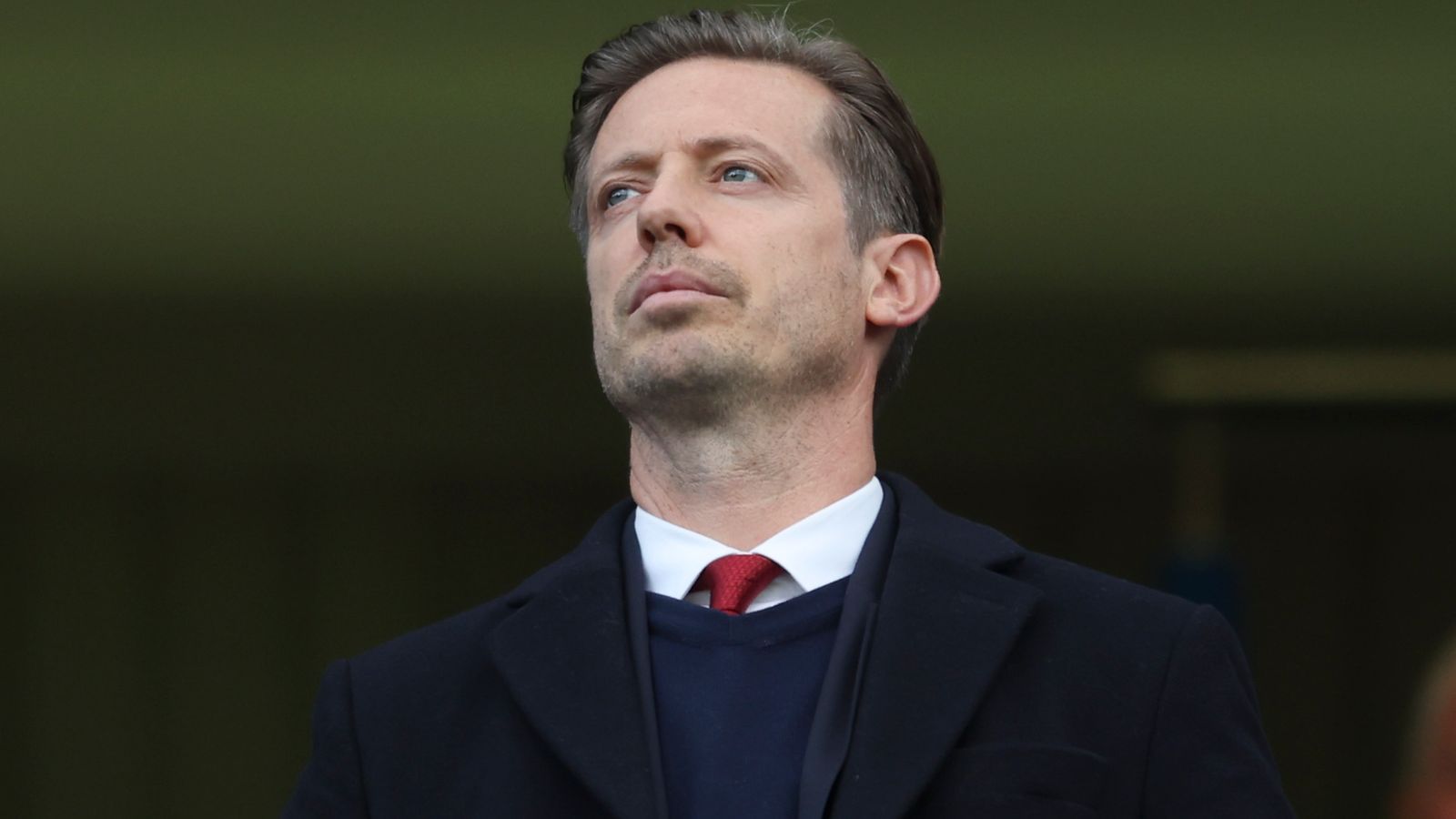
Michael Edwards has officially stepped down as the Chief Executive Officer of Football for Fenway Sports Group. The move, finalized in early July 2026, marks the end of his second stint at the club. His departure reshapes the decision-making hierarchy at Liverpool just weeks before the new campaign kicks off.
Edwards previously served as the architectural brain behind Liverpool’s recruitment success during the Jurgen Klopp era. His exit leaves a gap in technical leadership that the ownership must address immediately. Sources indicate that internal adjustments are being made to distribute his workload across the existing football operations team.
Projected impacts on technical strategy
The loss of a high-level executive during the window creates friction in ongoing transfer activity. Recruitment strategies often rely on the personal relationships and established negotiation frameworks fostered by the CEO of Football. Without a singular figure at the helm of football operations, Liverpool risks slower response times to market shifts.
Concerns regarding this transition are rooted in previous examples of institutional instability. Clubs like Manchester United often faced prolonged periods of market indecision when executive leadership roles remained vacant or in flux. Liverpool has historically operated with a lean, efficient management structure, making this vacancy unusually disruptive.
Assessing the risk to summer recruitment
The current window depends on agile, decisive action to reinforce the squad. With Edwards gone, the authority to finalize major capital expenditures requires immediate redirection to other board members. This creates an internal bureaucratic bottleneck that competitors may look to exploit.
As Sky Sports reported, the timeline for his departure was abrupt relative to the start of domestic fixtures. The club is now scrambling to integrate internal staff into roles previously handled by an expert negotiator. This shift leaves the squad vulnerable in the final weeks of the window.
Historical performance of the executive model
Liverpool’s previous structure favored long-term asset development over short-term reactive spending. This model relied heavily on the data-driven methodology that Edwards championed. Moving away from this specific oversight puts the club in a precarious position during the 2026 pre-season.
The administrative transition introduces a negative variable into the dressing room stability. Players look for institutional strength when committing to long-term renewals, and executive flux can lead to uncertainty. If the hierarchy remains undefined, the club could struggle to reach agreements on incoming targets.
The organizational cost of transition
Managing a football club requires constant, daily oversight of player health protocols and squad depth, both of which are directed by the sporting structure. When the CEO position is vacant, the chain of command for emergency medical decisions or recruitment emergencies becomes sluggish. The speed of response is 0 days for a club needing to act fast.
This is not a minor adjustment in the background. It is a critical functional shift that risks stalling progress made over the last 18 months. Ownership must clarify the replacement process to prevent a drift in standards that might impact performances on the pitch come August.
Strategic implications for 2026 and beyond
Liverpool’s competitors in the league are moving efficiently to lock in their targets for the upcoming schedule. Any delay in Liverpool’s internal processes could lead to missed opportunities for squad improvement. The club must bridge the gap quickly to prevent a long-term erosion of their previous scouting advantages.
The removal of the lead executive figure creates a void that is difficult to fill mid-cycle. While the staff remains, the direction of the club's recruitment policy now faces a period of evaluation. Whether the club can maintain its data-led philosophy without its primary champion remains the most pressing question for the Fenway Sports Group.
Final assessments on the executive vacancy
The immediate resolution for this situation is a secondary board appointment or the elevation of existing scouts and directors. Neither option removes the inherent risk posed by the departure of a high-profile figure like Edwards. The club needs a firm decision before the transfer deadline passes.
Historically, the departure of key technical directors signals a pivot in club identity. Whether that pivot leads to success or mediocrity depends on the incoming appointments and their ability to navigate the league’s financial regulations. The next 30 days are going to be defined by who takes charge of these operations.
Liverpool enters the season in a state of flux with the 1st match approaching soon. The loss of stable leadership is a failure of succession planning that observers will be tracking closely as the results fluctuate in the opening months of the season.