The status of the French attack
Kylian Mbappe remains the central figure in France's World Cup ambitions, but reports filtering out of the Les Bleus camp suggest persistent physical discomfort following their most recent group match. Medical staff are monitoring a quad strain that has limited his movement in training over the last 48 hours. While there is no formal ruling from the French Football Federation on his availability for the upcoming fixture, the optics of his restricted participation are worrying.
The intensity of tournament play always risks aggravating minor knocks. Mbappe has been the focal point of the French offensive strategy, and even a partially impaired performance has a ripple effect on the formation. The team relies on his explosive acceleration to stretch defensive lines, and a lack of full fitness forces Didier Deschamps to adjust the entire tactical output of the side.
Tactical friction and media optics
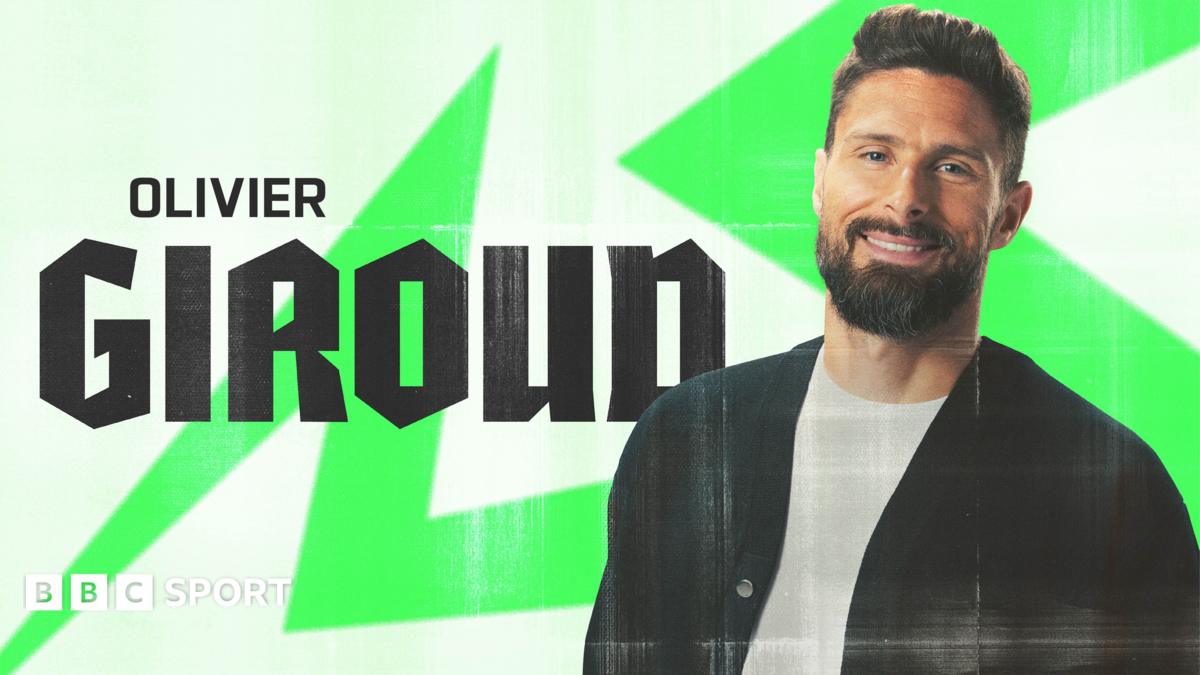
Olivier Giroud recently spoke at length about the public perception of his teammate, describing the complex dynamic between the star striker and the French sporting press. As the BBC reported, Giroud emphasized that the narratives surrounding Mbappe often miss the mark regarding his commitment to the group. The striker is frequently misread as detached or arrogant, though teammates insist his dedication to team success is the primary driver of his on-pitch conduct.
However, that dedication is currently being tested by the realities of a demanding tournament schedule. The failure of the medical team to proactively manage the workload of top-tier talents is a recurring critique of international camps. If the coaching staff pushes a player through injury, they risk a long-term setback that could jeopardize both the national team's title charge and the player's domestic season at the club level.
Historical context and broader impact
International tournaments have a long history of high-profile injuries shifting the balance of power. We have seen champions derailed by a single muscle tear in the group stages. France has the depth to cover absences, but losing a player with the specific technical profile of Mbappe changes how opponents set up their blocks. Defenses can become more aggressive if they no longer fear the direct counter-attack led by the world's fastest forward.
The financial and commercial stakes are equally high. Sponsorship partners and global broadcasters revolve their tournament coverage around the presence of marquee names like Mbappe. If he sits out, the energy of the competition shifts; viewers lose the standard-bearer for the current generation of talent. It is a logistical nightmare for tournament organizers, but a reality the game has never successfully mitigated.
The lingering question of rotation
Deschamps has faced pressure to integrate fresh legs, yet he remains hesitant to sub out his primary assets. This approach works when the results are immediate, but it burns out the squad when knockout rounds require 120-minute efforts. The reliance on individual brilliance over a sustainable fitness rotation strategy remains a primary flaw in the French approach to tournament management.
If the medical staff clears Mbappe for the bench but not for the starting eleven, the substitution logic becomes the most critical decision of the month. Betting heavily on a player who is operating at 80% fitness is a game of chance that rarely ends well in professional football. We have seen this repeated cycle across various European leagues where heavy usage catches up with attackers, leading to extended lay-offs after the final whistle blows.
Final diagnostics are expected by the early morning of June 19. Team insiders note that the preference is for rest, yet the pressure to qualify for the next round might force the hand of the manager. Whether he features or sits, the strategy for France must change to survive the next bracket.
Read Next
- Kylian Mbappé is finally embracing his role at the center of the football world
- Gaël Clichy is stirring the pot and the internet is absolutely eating it up
- Why the opening week of the World Cup feels like a tactical grind
- Predicting the World Cup is a fool's errand but we do it anyway
- 🇫🇷 France World Cup 2026 — Les Bleus Hub
- ⚽ La Liga 2025-26 — Title Race Hub