The end of the Roy of the Rovers era
English football lost its most kinetic personality this week. At 75, Kevin Keegan has passed away, leaving behind a tactical and cultural footprint that redefined how we view the modern attacking midfielder. He was not just a player; he was the primary engine of a Liverpool dynasty that defined the late 1970s.
Keegan arrived at Anfield in 1971. He operated with a relentless intensity that forced opponents to defend in panic. Watching archival footage, you see a player who never stopped running. He covered every blade of grass, dropping into pockets between the lines long before that was a standard tactical instruction. His 100 goals for Liverpool came from sheer, unadulterated desire.
Tactical audacity and the Newcastle legacy
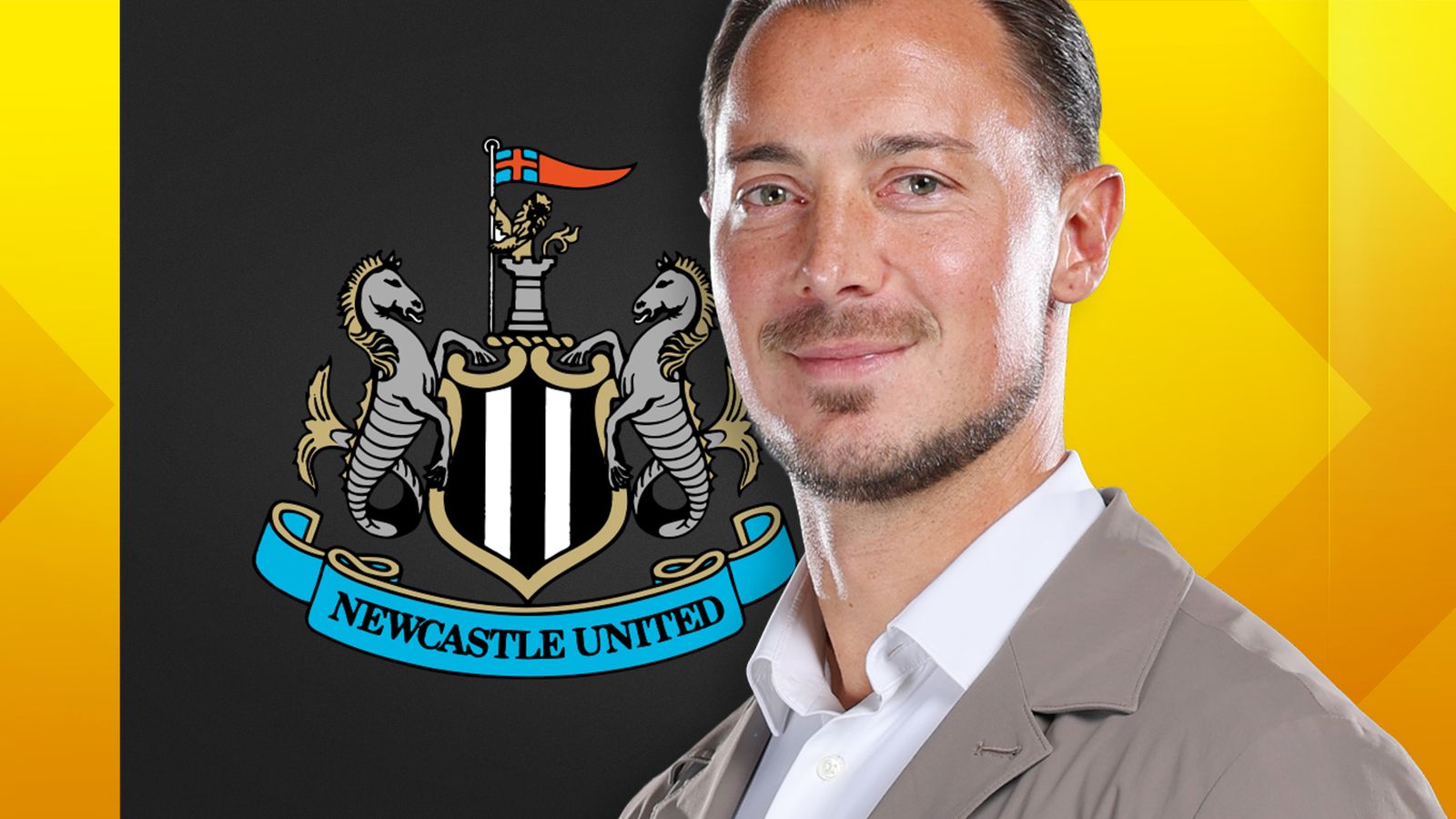
Moving to Hamburg and later managing Newcastle United, Keegan proved that his instinct for the game was not confined to his boots. He took a Newcastle side that had been languishing and pushed them within a whisker of the Premier League title in 1996. He did this by demanding high-octane, front-foot football that left traditionalists baffled.
His approach was risky, often abandoning defensive structure in favor of a 4-4-2 setup designed to outscore the opposition by any means necessary. While critics rightly point to his 1995/96 season collapse as evidence of tactical naivety, the pure watchability of those matches remains unmatched. He essentially turned matches into basketball games, forcing defenders like Philippe Albert to play as auxiliary playmakers.
Why his influence remains relevant today
We see echoes of Keegan in every high-pressing system employed in the league right now. He understood that space in the final third is created through momentum, not just possession. As reported by the Mirror, the scale of his impact on the national consciousness was absolute. He didn't just manage teams; he inhabited them.
His career was not without significant flaws, of course. His second stint at Newcastle and his time with the England national team showed the limits of relying solely on emotional intelligence in coaching. Managing at the elite level requires more than shouting instructions from the touchline; it requires a pragmatic grasp of defensive transitions. Keegan often allowed his teams to become structurally porous in the 70th minute, leading to high-profile collapses.
The final assessment
Yet, the criticism feels secondary to the spectacle. He was the Roy of the Rovers figure who made the sport feel urgent. Whether he was driving a pass through the heart of a defense at Anfield or pacing the St James’ Park technical area with his jacket collar kicked up, Keegan was the protagonist of his own story.
We will not see another figure like him. Modern football has become too sterile, too data-driven, and too cautious to allow for the Keegan-style of chaos. He stood for a brand of bravery that prioritized the spectacular over the safe. Football is poorer for his absence, but his matches remain the primary reference point for what football looks like when the brakes are cut.
Prediction: The tribute matches played in his honor this season will be some of the most emotionally charged, high-scoring affairs in recent memory. I expect the sport to move toward tactical tightening in the coming years, meaning Keegan’s legacy will increasingly stand out as a chaotic, beautiful, and distinct relic of a bygone intensity.