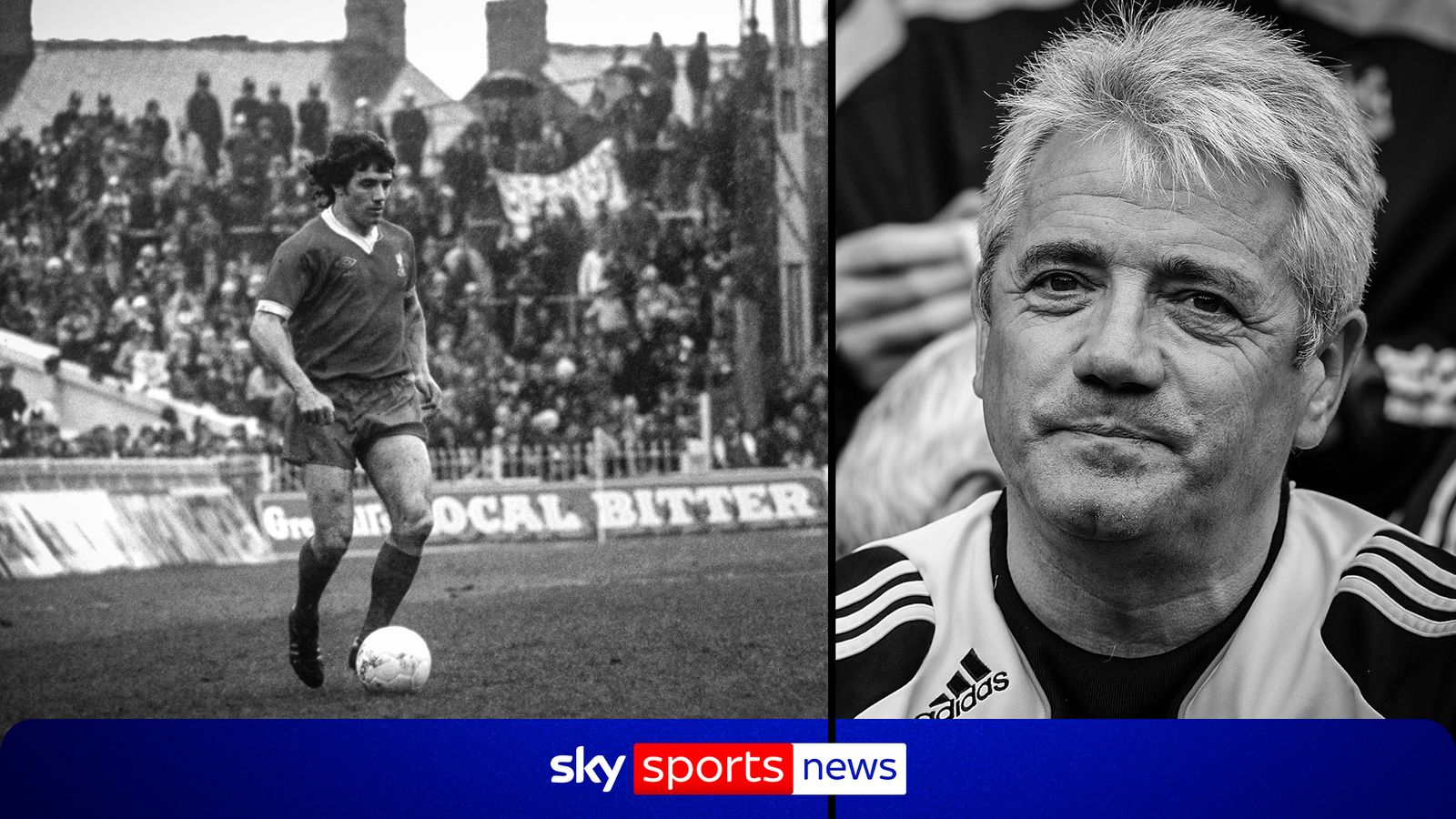
Measuring the gravity of a lost era
Kevin Keegan did not just play football; he animated it. While modern analysis obsesses over low-block efficiencies and pass-completion metrics, Keegan operated on pure, untethered aggression. He died today at age 75, as reported across the board, following a battle with stomach cancer diagnosed in January.
We too often confuse tactical systems with team identity. Keegan rejected that wall. At Liverpool, he moved beyond standard forward play to become a constant, abrasive nuisance to elite European defenders. He was an arch-competitor, once defined by the sheer volume of adrenaline he forced onto the pitch. As JEFF POWELL noted in the Daily Mail, he was raging with ambition yet consistently eager to help others.
The Newcastle years and tactical honesty
Managers today are coached to avoid the cameras and play the media game with sterile caution. Keegan ignored that. His time at Newcastle remains a masterclass in emotional connection, built on the premise that if you play with heart, the results will follow. It was a risky strategy during a tenure that lacked the defensive discipline of his contemporaries, but it produced a level of fervor that remains unmatched in modern Premier League memory.
Critics will point to his lack of major silverware as a manager compared to his trophy haul as a player, but that misses the utility of his influence. He forced the English game out of its post-Heysel isolation, proving that British players could succeed in Europe. His move to Hamburg after leaving Liverpool was not just a career pivot; it was a cultural shock to a system that previously treated continental moves as unthinkable.
Why his absence hits differently
- He represented the last true bridge between a gritty, manual era and the modern commercial game.
- His playing style relied heavily on high-motor movement, a stark contrast to today's heavy rotation of squads.
- He possessed a rare, accessible quality that transcended club loyalties, as seen by the immediate outpouring from colleagues like Jamie Carragher and Alan Shearer.
The statistical decline of his managerial era is well-documented, but the impact of his two-time European Footballer of the Year status cannot be distilled into a spreadsheet. Every player who has tried to bridge the gap between English grit and technical flair owes a debt to his trajectory.
The football world often mistakes consistency for greatness. Keegan was neither consistent nor quiet; he was a riot of color in a grey decade. Future historians of the game will look past the 1996 title-race collapse and recognize the foundational shift he sparked. He turned English football into a global commodity before television money dictated the terms.
He died following a short battle, confirmed after his January diagnosis, leaving a vacancy in the legend category that nobody can fill. We have lost the pioneer who preferred to lose spectacularly than win boringly. Rest in peace to a player who actually liked the game more than the industry created around it.