Liverpool's defensive shift
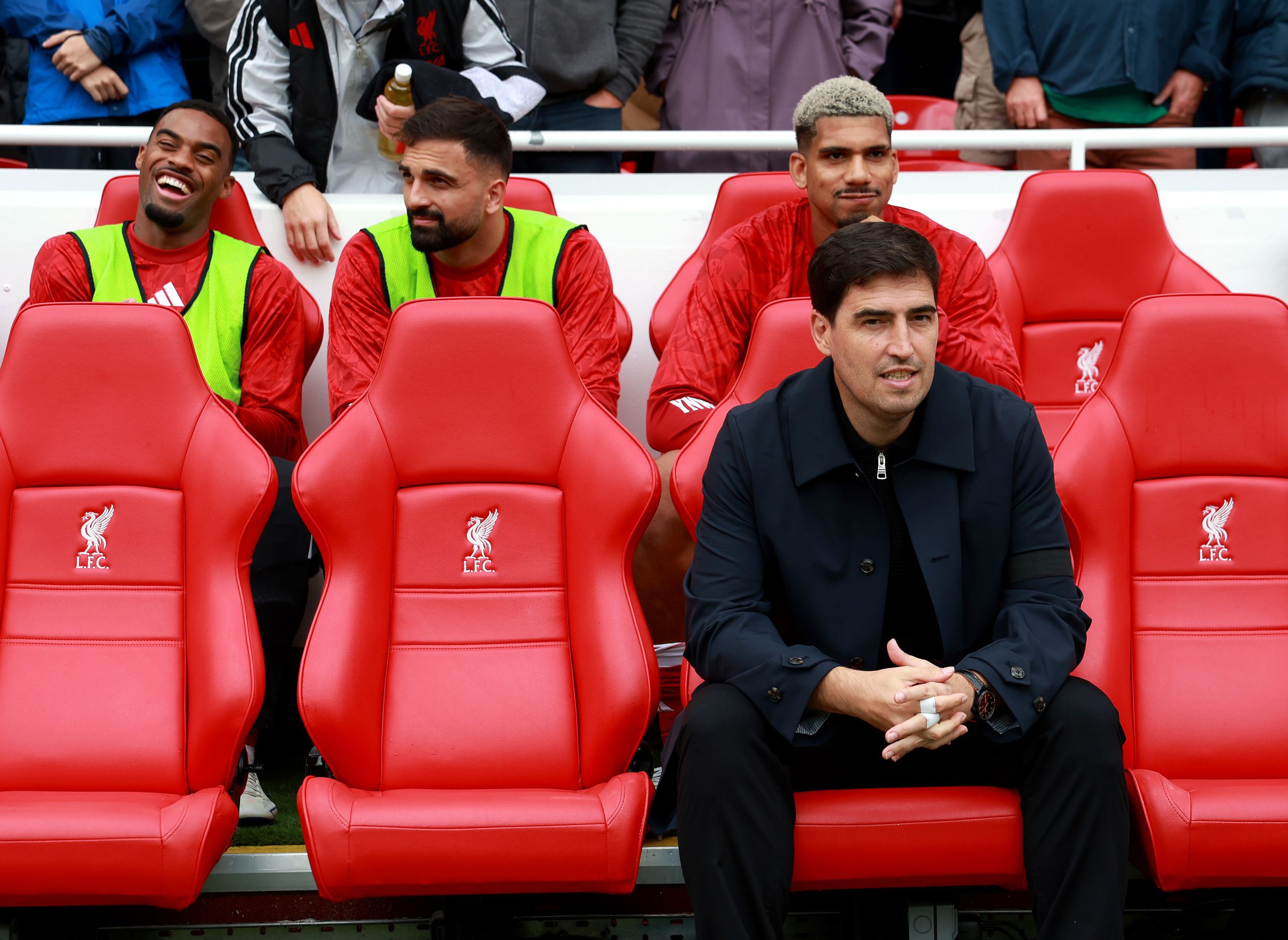
Liverpool have made their intentions clear for the 2026 season. Fabrizio Romano has confirmed an agreement to bring Ronald Araujo to Anfield. This move represents a major tactical pivot for the club, as they look to shore up a backline that many critics felt lacked the necessary bite last year.
While fans are clamoring for more updates, Romano has been careful to manage expectations regarding further arrivals. Speculation involving Bradley Barcola and Mbaye has cooled significantly. The focus now is on integrating Araujo, whose physical presence should provide an immediate boost to the team's defensive structure.
Manchester United's roster churn
Manchester United are offloading assets to balance their books. Recent reports confirm the club has approved a sale involving a major signing from the Erik ten Hag era. The transfer, valued at £36.5m, marks a significant departure from the previous management's recruitment strategy.
This move is a direct reflection of the current financial pressure felt at Old Trafford. Offloading a player for such a hefty sum suggests that new directives prioritize liquidity over squad continuity. Critics argue this leaves the squad thin, but the board clearly views this as a necessary step to meet sustainability requirements before the campaign kicks off in earnest.
Aston Villa and Newcastle under fire
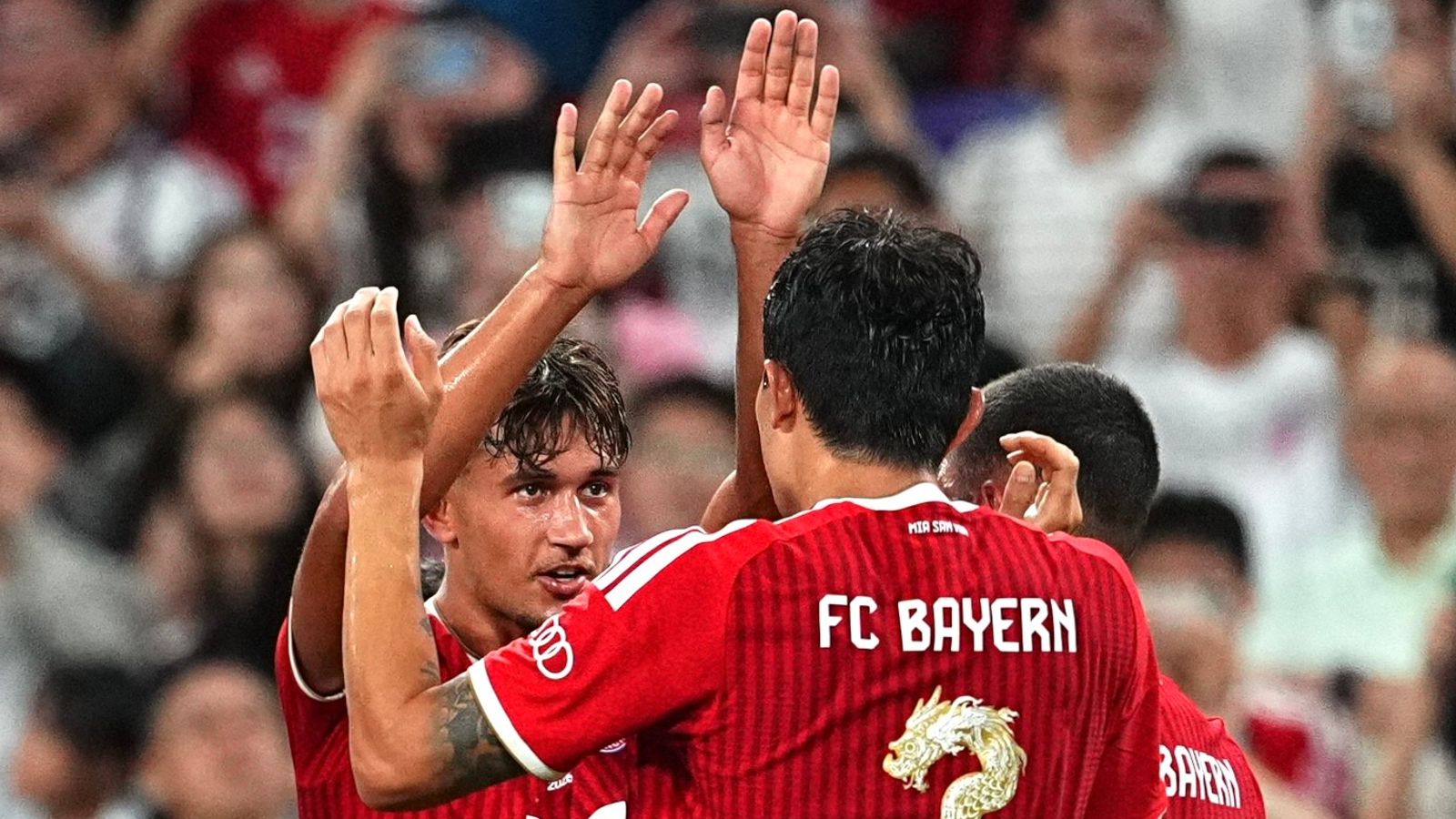
Aston Villa are actively securing their future, with Romano reporting a fresh agreement for a new signing. The deal follows a tough pre-season encounter against Bayern Munich, where Villa struggled to keep pace with the Bundesliga giants. Despite a late rally, the 2-0 loss served as a harsh reminder that the gap between top-tier European squads remains wide.
Newcastle United are in a more precarious position. Former pro Clinton Morrison has been vocal regarding the club's direction, specifically highlighting the failure to replace elite talent. As noted in his latest column, Eddie Howe is being forced to work with a diminishing pool of quality options.
Newcastle are selling their best players and not replacing them with the same quality.
Morrison's assessment points to a deeper crisis at St. James' Park. When a club consistently loses its top performers without bringing in equivalent replacements, the trajectory is rarely positive. For Newcastle, the concern is that the current leadership is prioritizing the balance sheet over competitive relevance on the pitch.
The broader market friction
The transfer market in August has become a high-stakes game of musical chairs. Every team is scrambling to finalize their rosters, but the quality of available depth is declining. The trend of selling high and buying cheap is creating a divide between clubs with deep capital and those trying to maintain their status on a budget.
The situation at Aston Villa offers a contrasting study. While they are actively chasing deals, their on-field results—like the loss to Bayern—show that money spent does not always translate to immediate success. The challenge for these squads is balancing long-term fiscal responsibility with the immediate, visceral need to win games.
This summer has been particularly brutal for scouting departments. With the deadline approaching, panic buys are inevitable. Manchester United's willingness to move on from a £36.5m asset, combined with Liverpool's aggressive pursuit of top-tier talent like Araujo, suggests that the traditional hierarchy is bracing for a shake-up. Whether these moves pay dividends remains the defining question of the next six months.
Ultimately, the disconnect between management strategies and coaching requirements is the biggest story of the summer. Eddie Howe's predicament at Newcastle is the most glaring example of a coach being left to manage a sinking ship. If clubs cannot align their recruitment with their tactical identity, the upcoming season will be defined by internal frustration rather than on-field progress.
Read Next