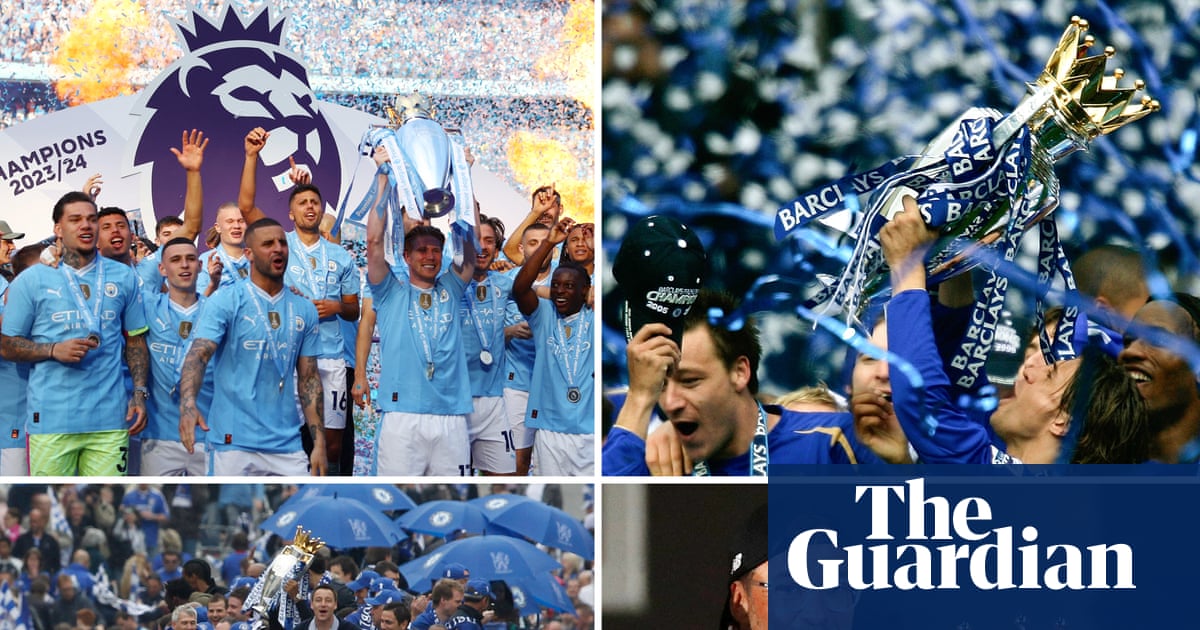
Kevin Keegan defined a generation of English football

The raw magnetism of the Keegan era
The passing of Kevin Keegan feels like the closing of a distinct chapter in the history of the English game. He was more than a striker or a manager; he was the archetype of the player-as-personality. Modern analytics often strip the soul out of such figures, reducing them to heat maps and xG outputs, but Keegan operated in an era defined by sheer, unfiltered instinct. His influence on the pitch, particularly during his time at Liverpool and later as he transformed Newcastle United, cannot be measured by current metrics alone.
His impact on Newcastle United remains his most debated legacy, characterized by a style so aggressive it bordered on reckless. At St. James' Park, he abandoned structural rigidity for pure momentum. In his final interview, detailed by The Mirror, Keegan identified the three specific pillars he wanted his memory tied to: his tenacity, his refusal to play the victim, and his unwavering belief in attacking football. He didn't care about balanced defensive transitions or mid-block stability. He wanted to score three, even if it meant conceding two.
The strategic recklessness and its consequences
Critics point to the collapse of the 1996 title chase as the primary failure of his managerial approach. It was a failure of spatial management and game-state awareness that left the back four exposed to counter-attacks. During that infamous run-in, Newcastle consistently failed to throttle the game when they held a 1-0 lead, preferring instead to chase impossible margins. It made for incredible television, but it essentially vacated the space behind the midfield pivot, leaving the center-backs on an island against pacey strikers.
Yet, to focus exclusively on the failures is to misunderstand his contribution to the game’s popularity. Before the era of hyper-optimized tactical systems, Keegan sold the idea that football belonged to the supporters first. He understood the rhythm of a crowd better than any contemporary English manager before him. He viewed the dressing room as a venue for emotional empowerment rather than a laboratory for rigid pressing triggers.
The weight of his departure
His departure from the spotlight leaves a palpable... no, correction: it leaves a distinct void in the collective memory of the Premier League. The sport has become increasingly antiseptic, where tactical setups are mandated by software and media appearances are filtered through layers of public relations. Keegan was the antithesis of this manufactured professional. He spoke his mind, often to his own detriment.
Watching clips of him in the eighties, or revisiting the tapes from his time on Tyneside, one notices how frequently he bypassed the midfield entirely during build-up. He demanded directness. It was a vertical approach that forced opponents into uncomfortable one-on-one situations. He trusted his players to win their individual battles across the pitch. It was risky, antiquated, and often disastrous, but it made for a brand of football that felt alive.
We are currently obsessed with the pursuit of the perfect tactical shape, ignoring that the game needs figures capable of disrupting the status quo. Keegan was a disruptor. While managers like Pep Guardiola or Mikel Arteta refine the margins of the game, they operate within a framework of total control. Keegan existed to shatter control. He leaned into the chaos, and for a short window during the mid-nineties, he tricked the entire league into believing that chaos was a viable strategy for winning the title.
His career is a reminder that football is, at heart, a game of human temperament. Systems evolve, players get faster, and analytics get sharper, but the ability to rally a squad through sheer conviction is a trait that remains scarce. He leaves behind a legacy that isn't found in a trophy cabinet, but in the memories of those who saw a Newcastle side play like they had nothing to lose. He never played the victim, and he never asked for an easier route. That, as his final words suggest, is exactly how he should be remembered.
Premier League: The Official History by Anthony Dyer
The ultimate deep dive into the world's most popular league.
Frequently Asked Questions
What core philosophy defined Kevin Keegan’s football style?
How did Keegan approach management at Newcastle United?
Why did critics view Newcastle's 1996 title chase as a failure?
What three pillars did Keegan want his legacy to include?
How does Keegan’s era compare to modern football analytics?
More Coverage
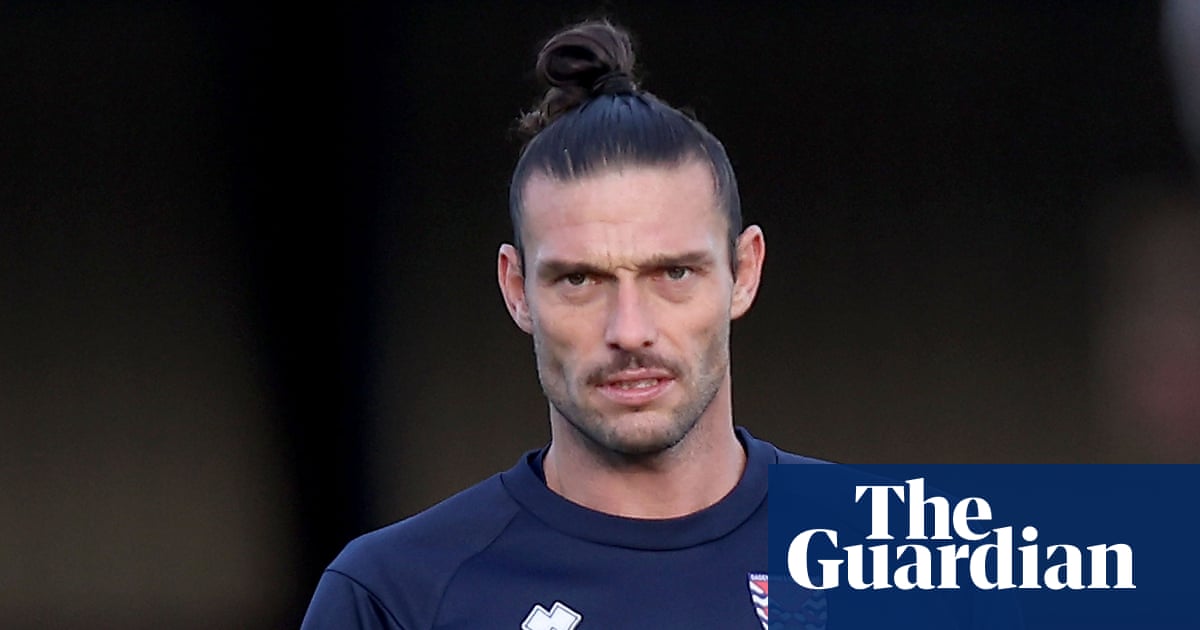
Andy Carroll's courage off the pitch redefines his role at Dagenham
3 weeks, 4 days ago
Top 10: Top Moments
3 weeks, 4 days ago
Arsenal's Amex nightmare and Newcastle's back-three panic show tactical cracks
1 month ago
Newcastle's double-pivot collapse at Leeds exposes Jaissle's tactical flaw
1 month ago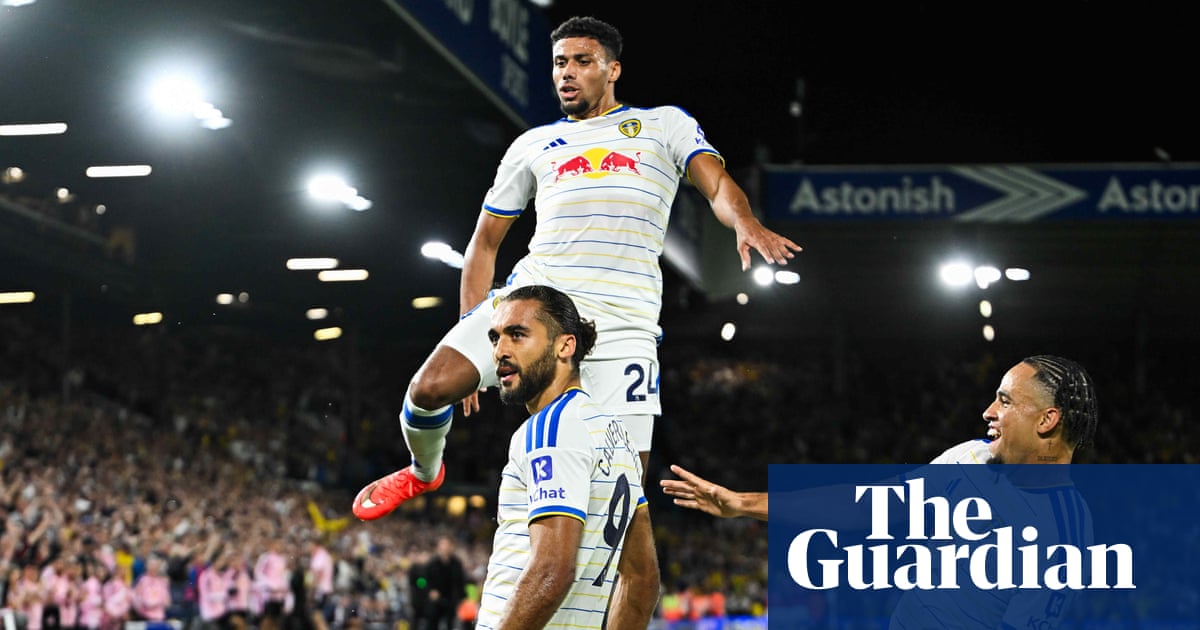
Leeds United's 4-1 destruction of Newcastle is no fluke
1 month ago
Leeds tore Newcastle apart, and Daniel Farke's plan is finally clicking
1 month agoMore Analysis

Premier League Clubs Want Man City Stripped of Titles and Banned From Transfers
1 week, 6 days ago
Liverpool pay price for thin squad depth after Vivien Endemann injury
2 weeks, 1 day ago
Chiesa ready for Liverpool exit as Serie A trio prepare January moves
2 weeks, 3 days ago
Dominik Szoboszlai targeted in Belfast as Hungary's Nations League slumps
2 weeks, 6 days ago
Szoboszlai and Kerkez clear tough physical test during Hungary duty
2 weeks, 6 days ago