The end of a polarizing era
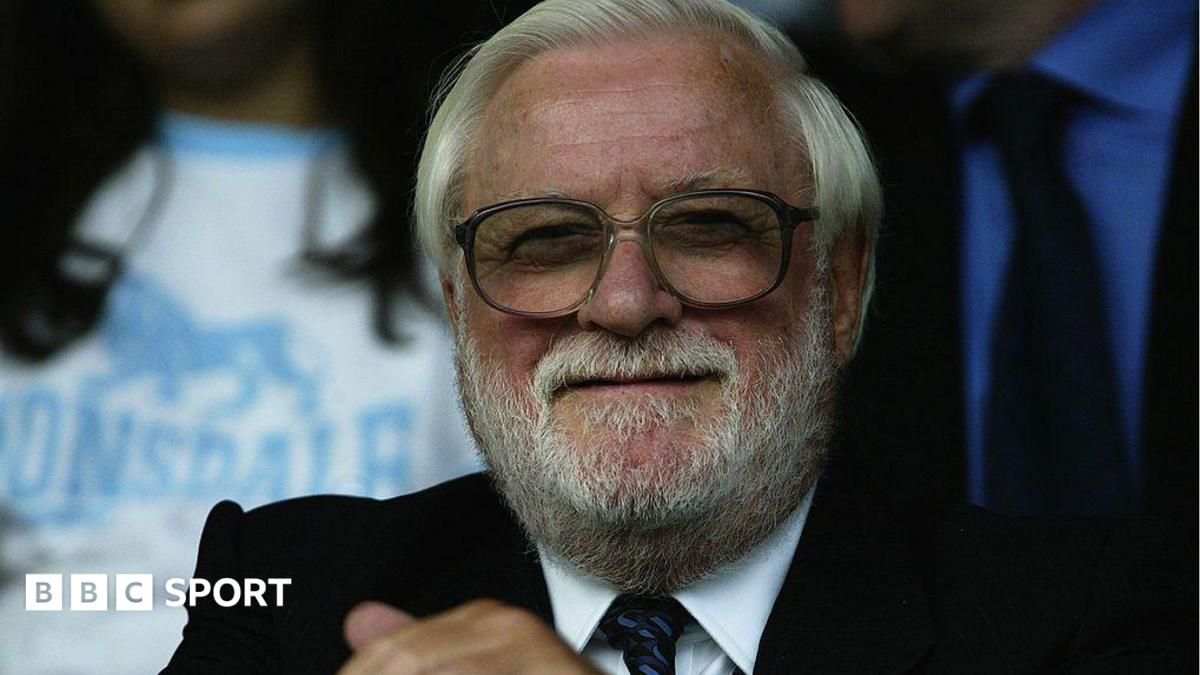
English football lost its most abrasive architect on Saturday morning. Ken Bates passing away at 94 marks the conclusion of a chapter in the game that simply could not happen today. As reported by the Daily Mail, he died in Monaco surrounded by his family. His fingerprints are permanently etched onto Chelsea and Leeds United, two institutions he shaped through sheer unadulterated confrontation.
You cannot discuss modern club ownership without acknowledging his 1982 purchase of Chelsea for the price of £1. It was a move that saved the club from insolvency, yet it defined his persona: opportunistic, defiant, and fundamentally stubborn. He did not care about popularity. He cared about control.
Tactical friction and administrative brawls
Bates operated with a style that would trigger a social media meltdown in the current era. His tenure was marked by a willingness to engage in public feuds rather than corporate silence. He famously labeled Leeds supporters as morons, a decision that essentially guaranteed his position as a pariah at Elland Road. Most owners hide behind PR flacks; Bates picked up the phone himself to scream at the press.
As Phil McNulty noted for the BBC, his impact on the sport was undeniably significant despite his reputation for being divisive. He toyed with radical ideas, including an electric fence at Stamford Bridge to combat hooliganism. While the project was rightfully halted, it showcased a man who viewed football management as a series of insurgent maneuvers rather than a civic duty.
A missed opportunity at recruitment
Tactically, his influence was more erratic. Most fans forget that he nearly brought Graeme Souness to west London back in the day, a signing that would have radically shifted the club's midfield identity in the 1980s. Failing to land that piece of business feels emblematic of his chaotic management style; always close to a masterstroke, yet consistently distracted by internal warfare.
His later years were spent acting as a cranky spectator, frequently calling journalists to berate the current ownership trajectory under Todd Boehly. It was petty, tedious, and arguably very funny. He didn't just want to be an owner; he wanted to remain the loudest voice in the room until his final breath.
The final assessment
History will be kinder to Bates than his contemporary rivals were. He was a survivor who navigated genuine financial ruin at Chelsea and maintained a profile that forced the game to pay attention. However, make no mistake: he was a nightmare to work for and rarely interested in the long-term health of the fan experience.
Predicting his lasting influence is simple: we won't see his type again. The modern boardroom is too sanitized for a character who truly believed his belligerence was a leadership trait. He left the game poorer for his personality, but perhaps slightly more functional for his departure. I would argue that English football moved past the era of the 'autocratic owner' long ago, and Bates was merely the last man standing in a suit that stopped fitting decades ago.
Read Next
- The divisive legacy of Ken Bates as the former owner dies at 94
- Ken Bates is dead and football will never see another chairman like him
- Ken Bates built Chelsea and broke Leeds with the exact same playbook
- Manchester United shift gears after the Ederson transfer collapse
- 🏟 EFL Championship 2025-26 — Promotion Race & Play-Off Final Hub