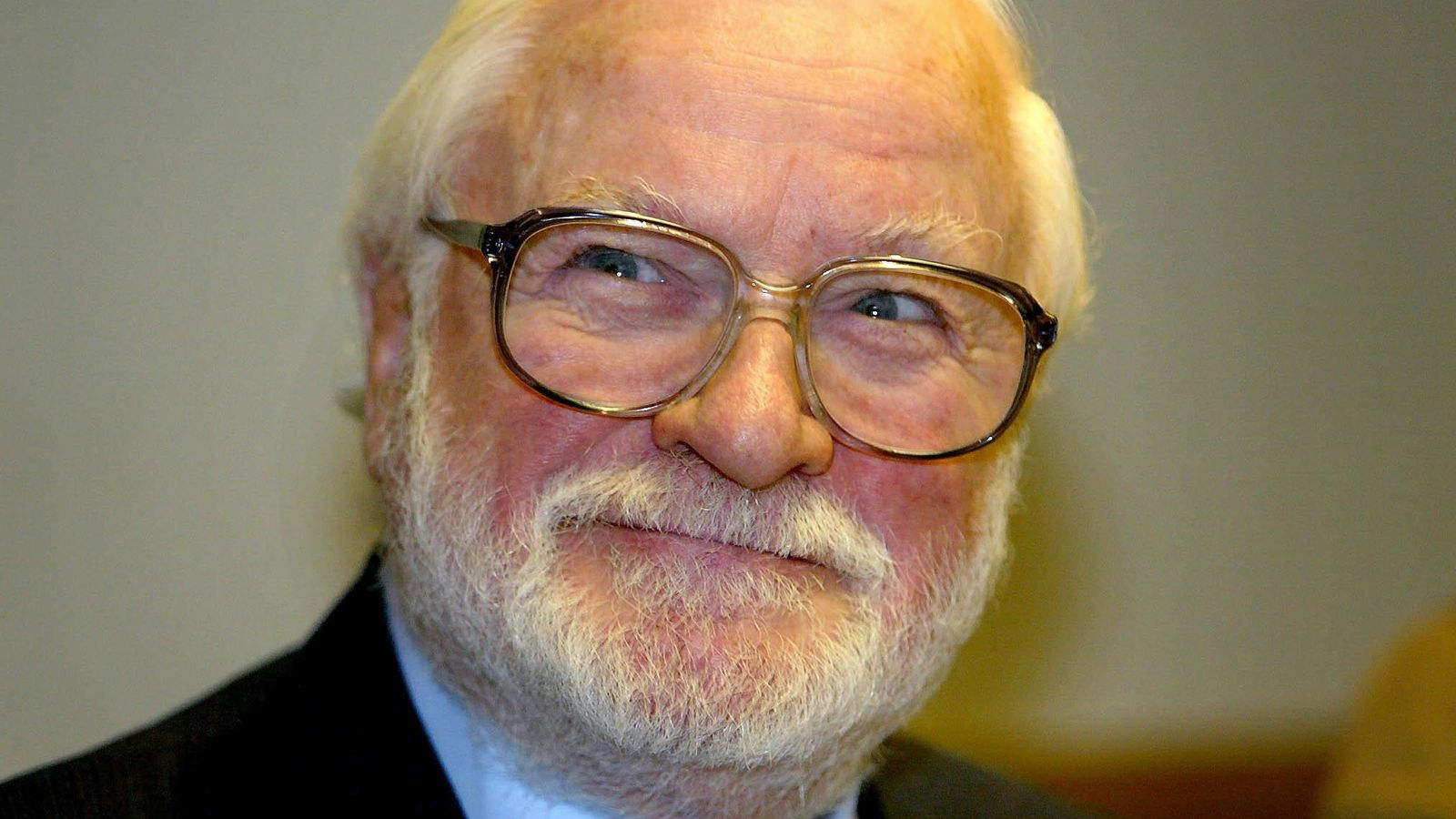
Pour something stiff, because the grim reaper just claimed the most combative, litigious chairman to ever grace a British boardroom. Ken Bates, the man who bought Chelsea for less than the price of a pint and spent three decades fighting everyone, has died at 94. As Sky Sports reported, his loud run is over, leaving a legacy that is half monument, half crime scene.
Bates was a cigar-chomping relic from an era before high-priced PR firms polished statements. He would write scathing essays in the matchday program calling his own supporters morons, then fight property developers in court to save the stadium. Love him or hate him—there is no middle ground—the modern English game would not look this way without his decades of meddling.
From saving Stamford Bridge for a single pound to the Dorchester Hotel
On the Chelsea forums, the enthusiasts are quick to raise a glass to Uncle Ken, with the prevailing take being that modern fans crying about Clearlake Capital don't understand how close the club came to disappearing. Stamford Bridge was crumbling, bank accounts were empty, and property developers planned to bulldoze the stadium. Bates stepped in and bought the whole mess for £1, inheriting a mountain of debt but securing the ground.
He spent twenty years turning the club from a joke into a brand, eventually creating the Chelsea Pitch Owners scheme to protect the stadium. In the mid-nineties, he signed Ruud Gullit, Gianluca Vialli, Gianfranco Zola, and Marcel Desailly, transforming a grey London club into a cosmopolitan oasis of sexy, continental football during his 22-year tenure as chairman. By the time he decided to cash out, Chelsea were regularly finishing top six and winning domestic cups.
The payoff came in the summer of 2003. Drowning under debts of around £80m, Bates sold the club to Roman Abramovich for £140m in a deal signed at the Dorchester Hotel. That sale saved Chelsea and kicked off the modern era of hyper-inflated transfer budgets.
Ken's determination to fight for Chelsea when times were tough, and drive the team on to winning trophies will never be forgotten.
Relegation, administration, and anonymous Cayman Islands trusts
If you want a different take, look at the Leeds United message boards, where skeptics are remembering Bates as a corporate vulture who treated Elland Road like a personal playground. When he bought a fifty percent stake in Leeds in 2005, the club was already reeling from the financial meltdown of the Peter Ridsdale era. In May 2007, Leeds entered administration, leading to points deductions, relegation to the third tier, and three seasons of misery in League One.
The real outrage was the baffling web of ownership that kept supporters in the dark. The club was controlled by Forward Sports Fund, an anonymous Cayman Islands trust, and Bates denied being the beneficial owner, swearing in an affidavit that he had no shares. He suddenly announced in May 2011 that he had purchased the club for an undisclosed sum, mocking protesting fans as disgruntled children in his program notes.
While he stabilized finances and secured promotion to the Championship, he destroyed the relationship between the boardroom and the stands. He treated the club's legendary history with dismissiveness. By the time he sold his holdings to GFH Capital in November 2012, his reputation in Yorkshire was permanently ruined.
The electric fence and the final verdict on Uncle Ken
You cannot talk about Bates without his nineteen-eighties madness. In 1985, with football hooliganism sweeping the nation, Bates decided to handle pitch invasions at Stamford Bridge by treating fans like sheep. He installed a twelve-foot perimeter fence topped with a twelve-volt electric wire, bragging that anyone climbing it would get a nasty shock and fall fifteen feet.
Telling the Sports Minister to get stuffed
The government was horrified. Sports Minister Neil Macfarlane declared the fence one step too far. Bates told the minister to get stuffed and suggested he resign.
The local council refused to give Chelsea permission to turn on the electricity, so the fence was never activated and was later taken down. The fact that he even attempted to electrocute his own supporters shows you exactly who Ken Bates was.
He thrived on conflict. He sued journalists, banned legends from the directors' box, and treated football authorities like minor nuisances. In an era of sterile, corporate PR statements, Bates was a reminder of a time when football was run by loud, stubborn men who treated clubs like personal toys.
A dinosaur we won't see again
So, which side of the Ken Bates legacy debate is correct? Is he the visionary who saved Chelsea, or the secretive chairman who dragged Leeds United into the wilderness, as detailed in the Sky Sports retrospective? The simple answer is that he was both.
He was a financial survivor who understood how to navigate the muddy waters of English football, but he also had a toxic streak that destroyed his relationship with almost every community he touched. He was a builder who couldn't resist setting fire to his own creations.
Modern football fans often complain about the bland, corporate nature of modern owners. We look at the state-backed entities running clubs today and wish for more character in the game. But Ken Bates is a reminder that we must be careful what we wish for.
It is fun to read about a chairman telling the government to get stuffed, but it is a lot less fun when that same chairman is hiding ownership in a Cayman Islands bank account while your team is playing in the third tier. He was a dinosaur, and while his extinction was necessary, the sport is a lot less colorful without him.
Read Next
- Ken Bates built Chelsea and broke Leeds with the exact same playbook
- Chelsea are already dumping Garnacho and the internet is losing it
- Chelsea's Garnacho gamble has imploded in record time
- Manchester United shift gears after the Ederson transfer collapse
- 🏟 EFL Championship 2025-26 — Promotion Race & Play-Off Final Hub