The Big Picture
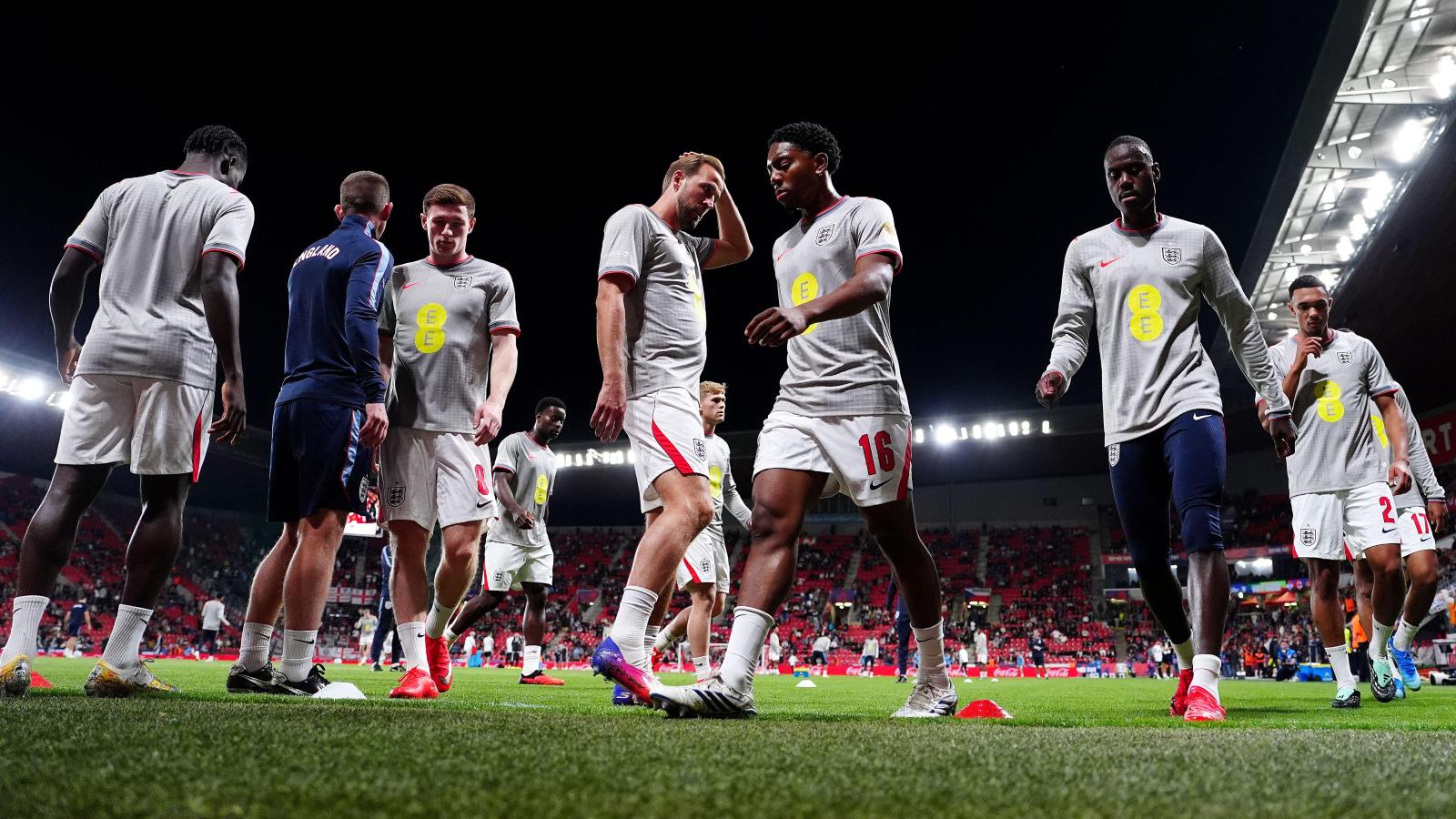
England enters their World Cup quarter-final walking a disciplinary tightrope that could derail their tournament hopes. Four key starters are one yellow card away from a semi-final suspension. If England beats Norway, they could do so without their core spine.
Jude Bellingham, Declan Rice, Marc Guehi, and Nico O'Reilly must survive ninety minutes without a booking. Harry Kane is clean. He faces no such restriction, meaning the captain will play with complete freedom.
The situation is already compromised. Defender Jarell Quansah is out, serving a suspension for his red card against Mexico. Manager Thomas Tuchel must patch up his defence while his remaining stars play under extreme constraint.
The Disciplinary Math
FIFA regulations for the 2026 World Cup are unforgiving. Yellow cards from the group stage were wiped clean. However, cautions accumulated from the Round of 32 onwards carry over into the quarter-finals.
Any player who receives two bookings between the start of the knockouts and the end of the quarter-finals gets an automatic one-game ban. The slate resets only before the semi-finals. This rule prevents players from missing the final due to yellow card accumulation.
Several managers have criticized the regulation, calling it too punitive. They argue that carrying cards across three knockout rounds encourages passive play. FIFA, however, defends the system as necessary to maintain on-pitch discipline.
But the quarter-final is a bottleneck. As Sky Sports reported, this accumulation rule leaves several England starters in immediate danger. A single yellow card on Saturday ends their semi-final hopes.
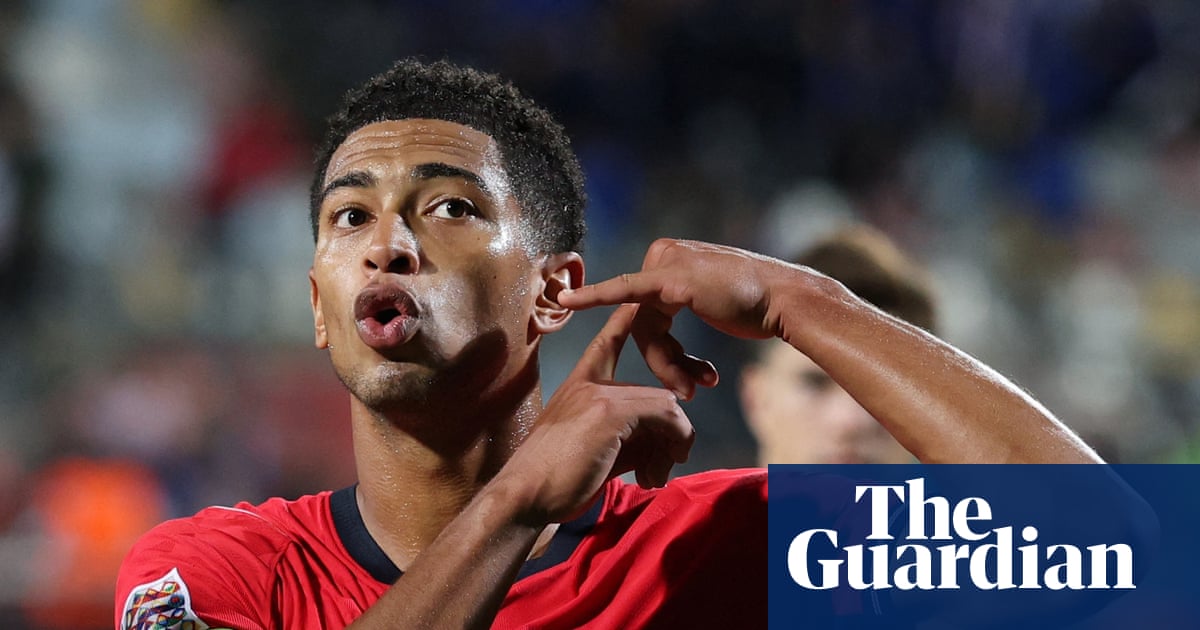
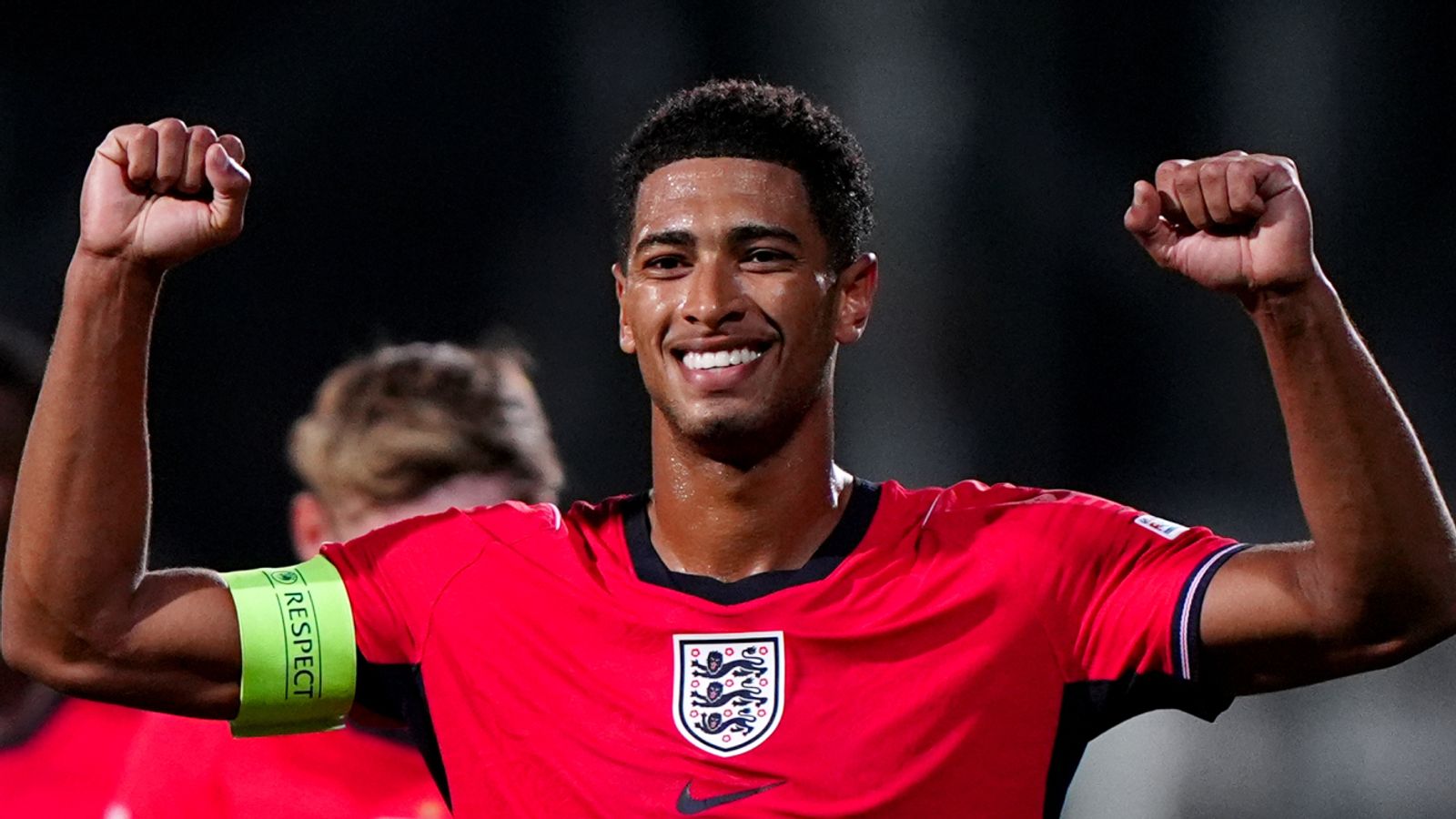
Bellingham is the most prominent figure on the list. The Real Madrid midfielder has been England's engine. Losing him for a potential semi-final would gut Tuchel's tactical plans.
How the Bookings Piled Up
The accumulation began in Atlanta on July 1. England trailed DR Congo early after Brian Cipenga scored in the seventh minute. Bellingham picked up a yellow card during a tense, physical midfield battle.
Kane saved the team that night. The captain scored in the 75th and 86th minutes to secure a 2-1 win. But the disciplinary damage was already done.
Four days later in Mexico City, the situation worsened. England beat Mexico 3-2 in a chaotic Round of 16 encounter. The match was filled with cards and defensive errors.
Rice was booked in the very first minute. It was a tactical foul to stop a Mexico counter-attack. It was necessary at the moment, but the long-term cost is high.
Guehi's yellow card was entirely avoidable. He was cautioned for dissent after protesting Mexico's penalty. It was a petulant reaction that could cost England dearly.
O'Reilly also picked up a booking in the second half. The Manchester City midfielder has emerged as a reliable tournament performer. Now he faces the same suspension risk as his senior teammates.
The Quansah Disaster
England's defensive depth is already fractured. Quansah was sent off in the 54th minute against Mexico. He was dismissed for a studs-up challenge on left-back Jesús Gallardo.
The referee made the decision after a lengthy VAR review. The challenge was reckless and unnecessary. Quansah left his team to defend a lead with ten men for nearly forty minutes.
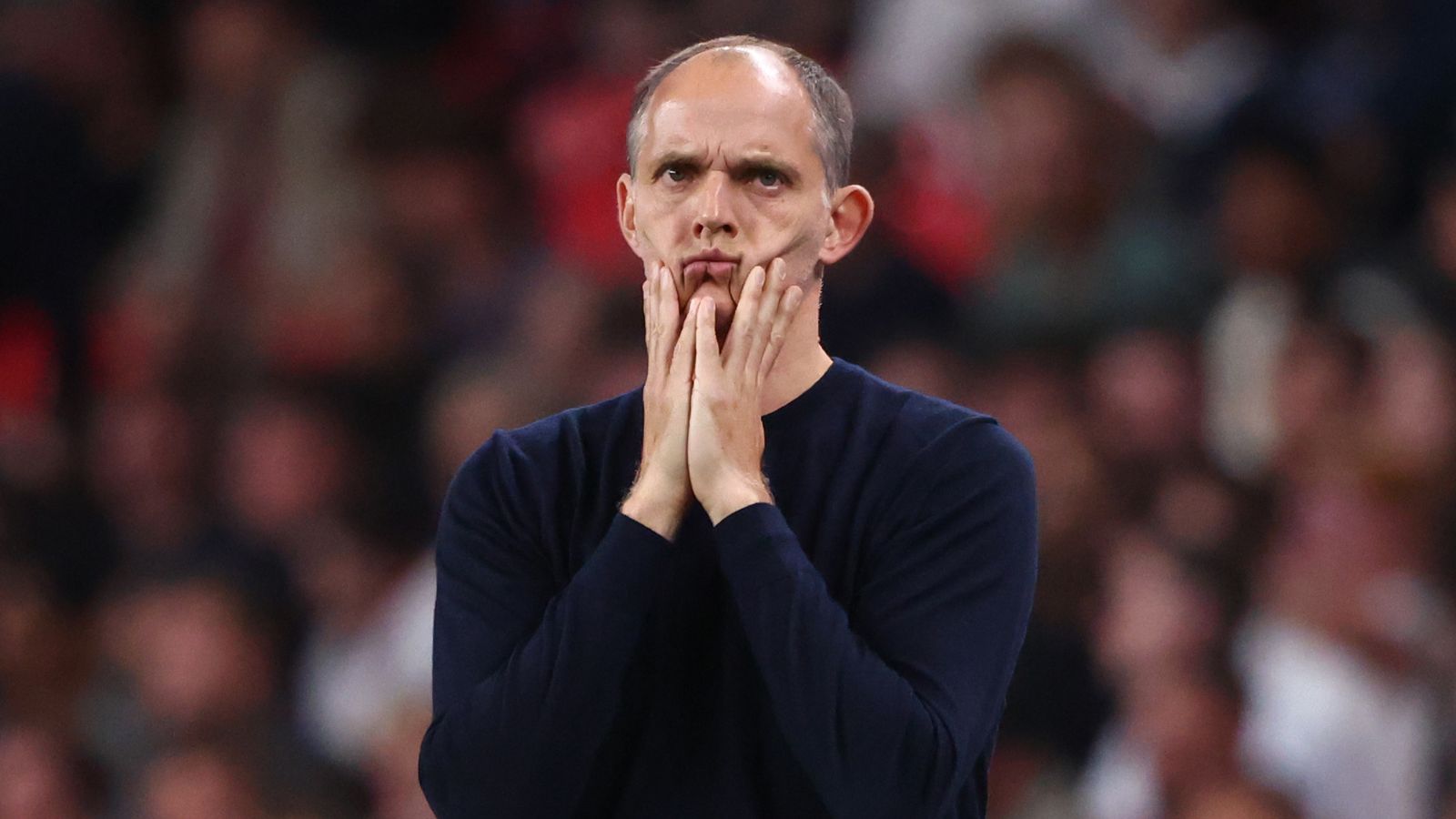
Tuchel was visibly frustrated on the touchline during the Mexico match. The German manager spent weeks building a cohesive defensive unit. Quansah's moment of madness destroyed that structural stability in an instant.
His dismissal was historic for all the wrong reasons. It was England's first World Cup red card since 2006 when Wayne Rooney was sent off against Portugal. It represents a major failure in discipline at the highest level.
Quansah will serve his automatic suspension on July 11 against Norway. Tuchel cannot call on him. The manager is forced to alter his defensive partnership at the worst possible time.
The Norway Threat
Norway is not a team to be taken lightly. Manager Ståle Solbakken has guided his nation to their first World Cup quarter-final in history. They reached this stage by defeating Brazil in the Round of 16.
Norway enters the match with zero pressure. Nobody expected them to reach the quarter-finals. That lack of expectation makes them a highly dangerous, unburdened opponent.
Erling Haaland was the hero against Brazil, scoring a brilliant brace. The Manchester City forward is the tournament's most feared striker. His qualifying campaign included sixteen goals in eight matches.
He is supported by Arsenal captain Martin Ødegaard. Ødegaard is the creative heartbeat of the Norwegian midfield. He excels at exploiting defensive hesitation and finding Haaland with precise passes.
Solbakken utilizes a flexible 4-3-3 formation that transitions into a 3-5-2. Players like Antonio Nusa provide natural pace on the wings. Full-back Julian Ryerson offers relentless attacking support from the right.
Norway's defensive line is anchored by Kristoffer Ajer. The towering defender has built a compact, disciplined block. They excel at direct transitions and physical duels.
Tactical Fallout for Tuchel
Tuchel must find a partner for John Stones. With Quansah suspended, Guehi is the only logical choice. But Guehi must defend Haaland without making a single cautionable mistake.
If Guehi gets booked early, his physical approach must change. He cannot afford to commit tactical fouls. Haaland will exploit any hesitation in the English box.
The same pressure applies to Rice. As the defensive midfielder, Rice is England's shield. He routinely stops transitions with physical challenges.
Against Norway's rapid transitions, Rice must be flawless. A single mistimed slide tackle will trigger a semi-final ban. Tuchel has no direct replacement for Rice's defensive volume.
Bellingham must also adjust his game. He plays with high intensity and often reacts to physical provocation. Norway's midfielders will undoubtedly target him to draw a booking.
Tuchel might be forced to drop Stones deeper to act as a sweeper. This adjustment would limit Stones' ability to step into midfield. It is a tactical compromise that weakens England's progression phase.
O'Reilly faces a similar challenge. If he is forced to drop deep, he must avoid rash challenges. Tuchel's tactical flexibility is severely restricted by these active cautions.
Historical Precedent and Strategic Impact
England has a painful history with tournament discipline. Rooney's red card in 2006 derailed a promising campaign. David Beckham's dismissal against Argentina in 1998 remains a national trauma.
In both cases, individual indiscipline cost the team. This current squad is repeating those mistakes. Guehi's dissent booking against Mexico was a sign of mental fragility.
Tuchel's tactical options are severely limited. He cannot protect his players by resting them. A quarter-final against Norway is too dangerous for rotation.
If England advances, they could face a semi-final missing three or four starters. That scenario would make them easy prey for teams like France or Brazil. The tournament path has become a minefield.
Norway manager Solbakken knows the situation. His players will look to lock down Bellingham and Rice. They will try to provoke the English midfield into cheap fouls.
Tuchel must drill discipline into his players before kick-off. England's talent is unquestioned. But their inability to keep their heads could destroy their World Cup dream.
Read Next
- Why Michael Owen is actually right about England's chaotic Azteca escape
- Why Saturday's World Cup clash with Norway is England's ultimate trap game
- Why Erling Haaland will expose England's defensive crisis in the last eight
- Can England actually stop Erling Haaland or are we just praying for rain?
- 🏆 World Cup 2026 — Full Coverage Hub
- 🏴 England World Cup 2026 — Three Lions Hub
- 🇳🇴 Norway World Cup 2026 — Can Haaland Lead the Vikings?