Jordan Henderson's World Cup campaign is over in the most frustrating way imaginable. As The Guardian reported, the veteran midfielder will play no further part in the tournament after sustaining a serious wrist injury during post-match celebrations in Mexico City.
The incident occurred at the Estadio Azteca shortly after the final whistle of England's dramatic 3-2 victory over Mexico in the Round of 16. Henderson, who remained an unused substitute throughout the match, ran onto the pitch to celebrate with the squad. In an attempt to vault over an advertising hoarding to get closer to the travelling fans, the 36-year-old lost his footing and fell awkwardly on his arm.
He was seen receiving medical attention on the pitch, which reportedly included the administration of oxygen, before being stretchered off. Henderson was rushed to a nearby hospital in Mexico City, where scans confirmed a displaced wrist fracture. He did not travel with the squad as they flew to their base in Kansas City to prepare for the quarter-final against Norway.
“I'm sad because Jordan injured his wrist. It's quite serious. He's in hospital. It doesn't fit with the rest of the evening. I don't know the procedure.”
The Medical Reality of a Displaced Wrist Fracture
A displaced wrist fracture occurs when the bone snaps and moves out of its normal alignment. In Henderson's case, the displacement is severe enough to require immediate surgical intervention to insert pins or plates. This procedure will stabilize the bones, but it carries a rigid recovery timeline that cannot be rushed.
For an elite athlete, a wrist injury is more than just a minor inconvenience. While it does not prevent lower-body conditioning, it entirely halts competitive play due to the physical nature of football. Midfielders constantly use their arms to shield the ball, absorb impact from falls, and maintain balance during aerial duels. Running with a healing bone is also risky; any subsequent fall could re-displace the fracture and cause permanent nerve damage.
Medical experts estimate that a surgically repaired wrist fracture requires a recovery period of 6 to 8 weeks. The first fortnight is dedicated entirely to wound healing and basic immobilization. Only after the third week can light, non-contact training begin, with full contact clearance taking up to two months. This timeline completely rules Henderson out of the remaining World Cup matches and jeopardizes his domestic preparations.
Historical Context: The Long List of Celebration Casualties
Henderson's injury adds a fresh chapter to football's bizarre history of self-inflicted celebration wounds. Players routinely navigate ninety minutes of bruising tackles only to collapse under the weight of their own post-match adrenaline. The Estadio Azteca incident is a stark reminder of how quickly triumph can turn into medical farce.
History shows these freak accidents can have severe consequences for a player's career. Consider these previous cases of players sidelined by their own celebrations or domestic mishaps:
- Martin Palermo broke both his tibia and fibula in 2001 when a concrete wall collapsed on him while celebrating a goal for Villarreal.
- Steve Morrow broke his collarbone during the 1993 League Cup celebrations when teammate Tony Adams dropped him off his shoulders.
- Celestine Babayaro fractured his leg in a pre-season friendly while performing his signature acrobatic backflip celebration.
- Santiago Canizares missed the 2002 World Cup entirely after dropping a bottle of aftershave in his bathroom, severing a tendon in his toe.
At 36, Henderson does not have the rapid recovery rate of a twenty-something prospect. His bones will take longer to fuse, and the psychological impact of missing a major tournament due to a lapse in concentration is significant. This injury is a harsh lesson in maintaining discipline until the stadium lights are turned off.
Strategic Fallout for Thomas Tuchel's England
The tactical impact of Henderson's exit on the pitch is relatively minor. He is no longer the indispensable engine-room presence he was during his Liverpool prime. In this tournament, his playing time has been limited to a brief substitute appearance during the group stage victory over Panama.
However, the leadership void in the England camp is substantial. Henderson was selected by Thomas Tuchel largely for his tournament experience and dressing room presence. He is a vocal leader who understands how to manage the pressure of the knockout rounds, serving as a buffer between the coaching staff and the younger players.
Under FIFA rules, England cannot call up a replacement player because the tournament has already commenced. Tuchel must navigate the quarter-final against Norway and any subsequent matches with a reduced 25-man squad. If Declan Rice or Jude Bellingham suffer an injury or pick up a suspension, England's midfield depth will be dangerously thin.
Brentford's Summer Plans Plunged into Chaos
While Tuchel scrambles in the United States, the real long-term damage is felt in West London. Brentford manager Keith Andrews was counting on Henderson to anchor his midfield for the upcoming Premier League campaign. Henderson signed a two-year contract with the Bees in 2025 and remains a vital cog in their tactical setup.
With pre-season training starting this week, Andrews is now missing his captain and midfield general. Henderson will spend the next six weeks in a cast rather than building fitness on the training pitch. He is highly likely to miss the opening three fixtures of the Premier League season, forcing Andrews to rethink his midfield selection.
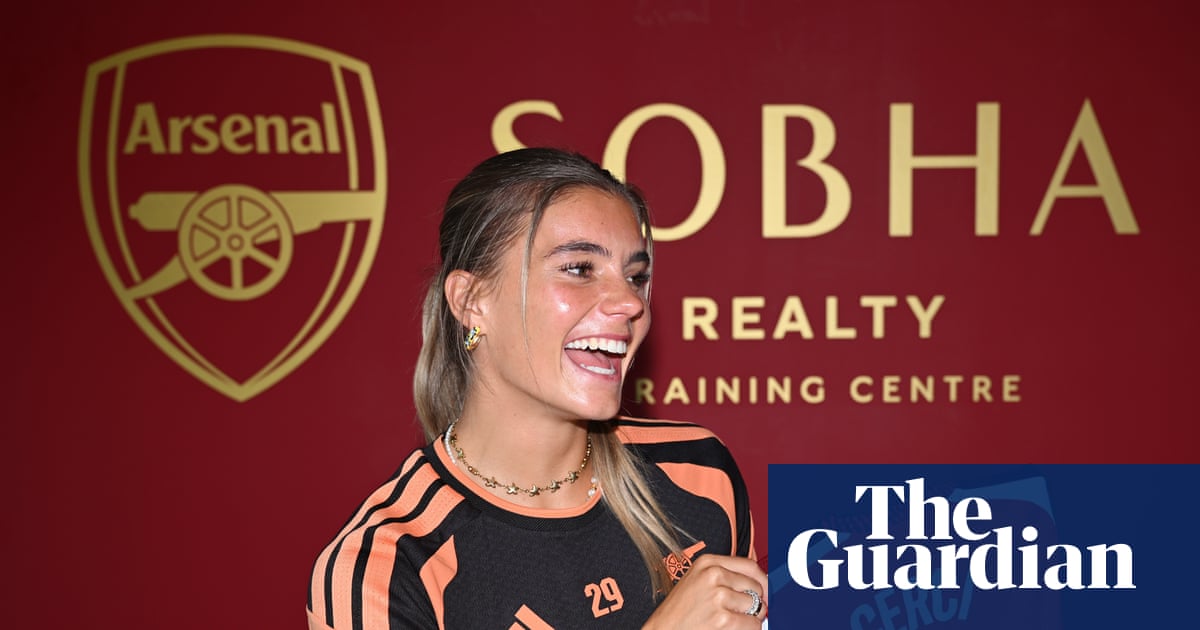
This injury could force Brentford back into a volatile transfer market. While Arsenal are busy signing Germany forward Selina Cerci as The Guardian reported, and Chelsea are holding talks to hijack transfer moves, Brentford's budget is far tighter. According to a TeamTalk exclusive, top-tier targets like Karim Coulibaly are commanding fees upwards of €50m, which is far beyond the Bees' financial reach.
Andrews will have to look for budget-friendly alternatives or rely on internal solutions. Brentford recently agreed to sign Callum Wilson on a free transfer to boost their attack, but that move now looks like a gamble if the midfield cannot provide service. The loss of Henderson's ball-winning capabilities and organizing voice will put immense pressure on Brentford's backline during the opening weeks of the season.
The Verdict: An Amateurish Mistake with Professional Consequences
There is no hiding from the reality of this situation: Henderson's injury was entirely preventable. For a player of his vast experience to risk his safety on an advertising board is a lapse in professionalism. He has let down his country, his club, and himself at a moment when his team needed his leadership most.
England now face Norway without their most experienced sounding board. Brentford face a grueling Premier League start without their captain. Henderson faces a summer of painful rehabilitation and the lingering knowledge that his final World Cup ended not with a trophy, but with a clumsy tumble into the Azteca turf.
Read Next
- Jordan Henderson stranded in Mexico with hand injury after bizarre Azteca fall
- England survives Mexico chaos while officiating drama hits fever pitch at World Cup
- England lose Jordan Henderson for the rest of the World Cup after bizarre injury
- Top 10: Top Moments
- 🏆 World Cup 2026 — Full Coverage Hub