The 18 million pound cost of the counterfeit kit economy
In the lead-up to the latest international summer schedule, authorities seized 18 million pounds worth of counterfeit football kits across the United Kingdom. This wasn't merely a minor customs inconvenience; it was a systemic response to a supply chain flooded with sub-par synthetics.
While fans often look at the 110 pound official retail price as an entry barrier, the proliferation of off-market gear indicates a structural market failure. Counterfeiting shifts value away from clubs and into illicit channels, effectively devaluing the product the sport intends to sell.
Tebas takes on the Infantino administration
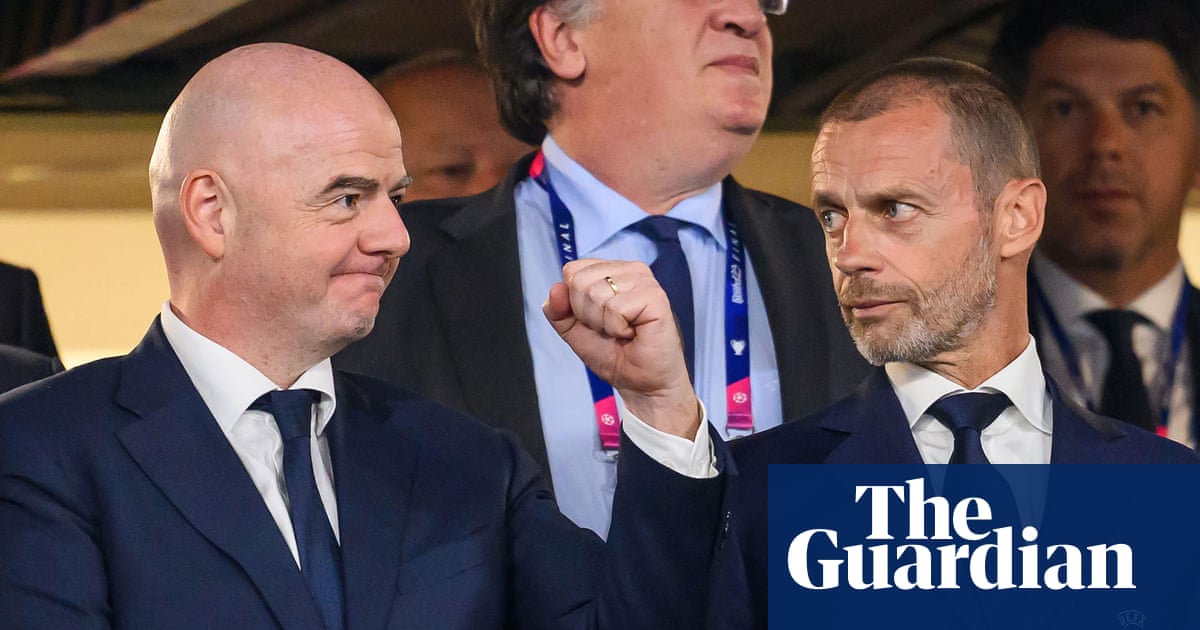
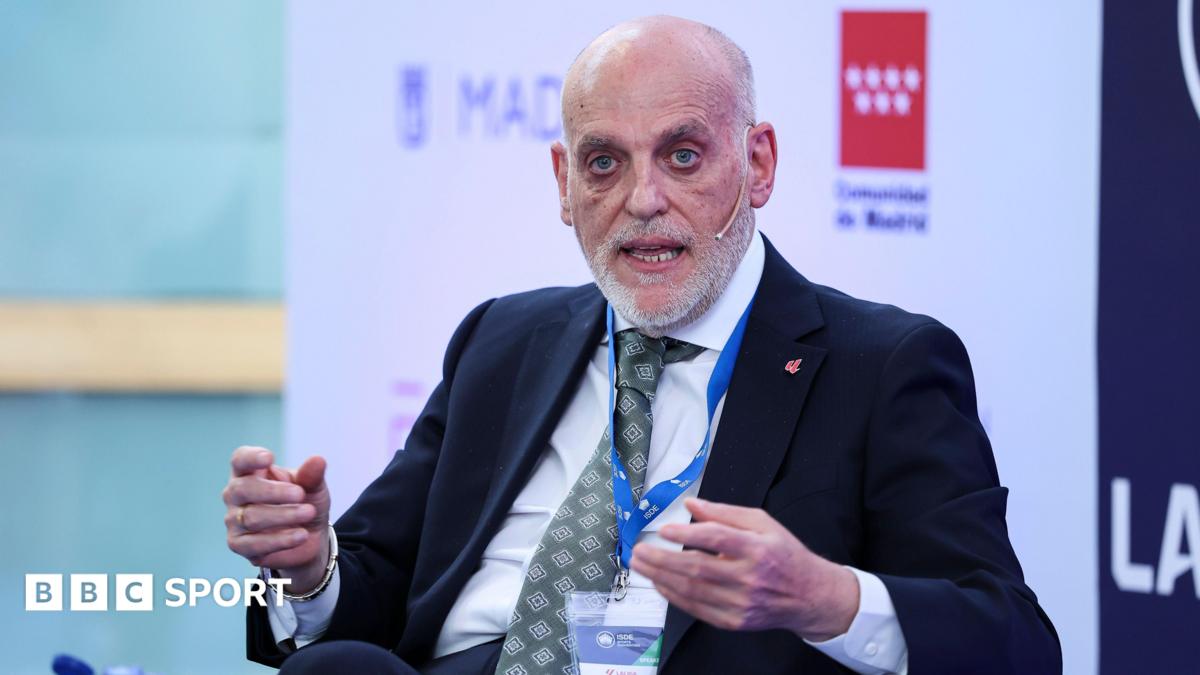
Javier Tebas, president of La Liga, has effectively declared open warfare on Fifa president Gianni Infantino. Tebas claims the governing body is currently destroying the football industry, a critique focused heavily on the expansion of major tournament formats and calendar congestion.
The financial math fueling this friction is clear. When calendars expand, the margin for error for domestic leagues shrinks. League revenues are tied to fixture volume, broadcasting windows, and exclusivity. When international bodies dominate the calendar, the domestic broadcast value—which sustains clubs like those in the Spanish top flight—risks long-term deflation.
The calendar squeeze
As recent analysis on the England national team project shows, the churn of high-intensity minutes creates a direct tension between club success and national duty. Players are treated as assets that managers must protect, yet Fifa continues to push for larger, more frequent events. This isn't just about scheduling; it is about the physical fatigue tax levied on the players who provide the entertainment value.
The current growth model for Fifa relies on increasing the number of participants in tournaments like the Club World Cup. This forces domestic leagues into tighter midweek windows. Historically, La Liga operated with a degree of internal autonomy. Today, they are fighting to protect their broadcasting revenue base, which represents roughly 45% of total club income in Spanish football.
A hollow strategy for expansion
The critique from Tebas rests on the assumption that Fifa is prioritizing short-term revenue spikes over the health of domestic products. Expanding the Club World Cup is the most obvious example. It creates a tournament that competes directly with the prestige of the Champions League while failing to build the same historical scarcity that drives demand.
If we examine the 18 million pounds in seized kits as a symbol of the wider counterfeit issues, there is an uncomfortable parallel. Both the fake kits and the saturated international calendar offer a lower-quality experience wrapped in global branding. The consumer—and the fan—ultimately receives a diluted product. As La Liga's call for Infantino's resignation highlights, when the governing body forces a product that the market is beginning to reject, the financial sustainability of smaller clubs is directly threatened.
The risk here is a total loss of commercial leverage. Domestic leagues, once the center of gravity, are becoming secondary to international tournament organizers. If the governing body continues to prioritize quantity over quality, the resulting fatigue will likely lead to a dip in viewing figures, not an increase.