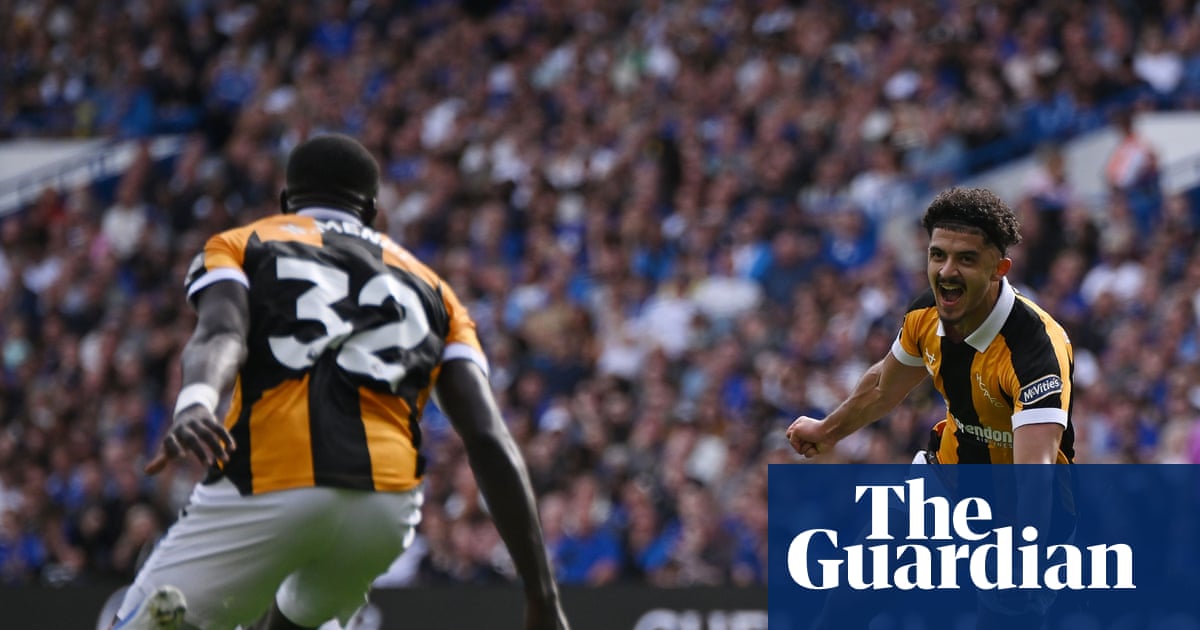
The noise behind the scenes at MKM Stadium
Hull City owner Acun Ilicali recently took to social media to signal his frustration, describing himself as 'disturbed' by what he labeled false reports regarding the club's transfer business. While owners rarely involve themselves in the granular details of the transfer market, this public outburst serves as a reminder of the volatility currently surrounding the club's recent transfer activity. When the focus shifts from the pitch to the owner’s digital activity, the squad’s preparation for the upcoming campaign often suffers under the weight of external scrutiny.
Tactically, Hull must find a way to insulate the dressing room from these administrative headaches. Stability in the middle of the park is achieved through repeatable patterns, not Twitter threads. If the recruitment strategy is as disjointed as the public messaging, the side will struggle to implement a cohesive press—a fundamental requirement in the modern game where gaps between the midfield and defensive lines are punished within seconds.
The broader transfer market climate
As clubs across the leagues navigate the window, the standard for elite movement has been set by the aggressive pursuit of established talent. We have tracked significant interest in players like Julian Alvarez and Ezri Konsa via Sky Sports' live coverage, proving that mid-tier sides must be sharper than ever to keep up. Hull remains in a position where every pound spent needs to generate a tangible return on expected goals (xG).
Arsenal’s own approach recently highlighted the necessity of a balanced window, where long-term strategy takes priority over emotional signings. As detailed in recent analysis, the Gunners have faced scrutiny on whether their recruitment actually fills the structural voids left by departing veterans. Hull finds themselves in a similar test, albeit at a different financial tier. Bringing in bodies is not the same as bringing in solutions.
Tactical reality check and predictions
If the club fails to address the lack of composure in the final third, expect a mid-table slog. The lack of clinical finishing—frequently observed when chance creation exceeds 1.50 xG but the scoresheet remains blank—is a recurring personnel failure. It is not just about bringing in new names; it is about finding players who fit the specific high-intensity profile required to break down disciplined low blocks.
The current state of the squad suggests a reliance on individual brilliance rather than collective orchestration. Relying on moments of magic is a luxury for title contenders, not for a team struggling with internal communication. My prediction? Unless the club settles its internal narrative by the start of next week, the drop-off in defensive discipline will result in a 2-1 loss in their opener. They have the talent to surprise, but the concentration levels currently look brittle at best.
What to watch for
Keep a close eye on the transitions during the first twenty minutes of their next competitive fixture. If the central defenders look isolated against counter-pressing, the recruitment team has clearly missed a holding midfielder who can dictate tempo. If they are going to survive the season, they need to stop reacting to the market and start forcing the opposition to react to them.