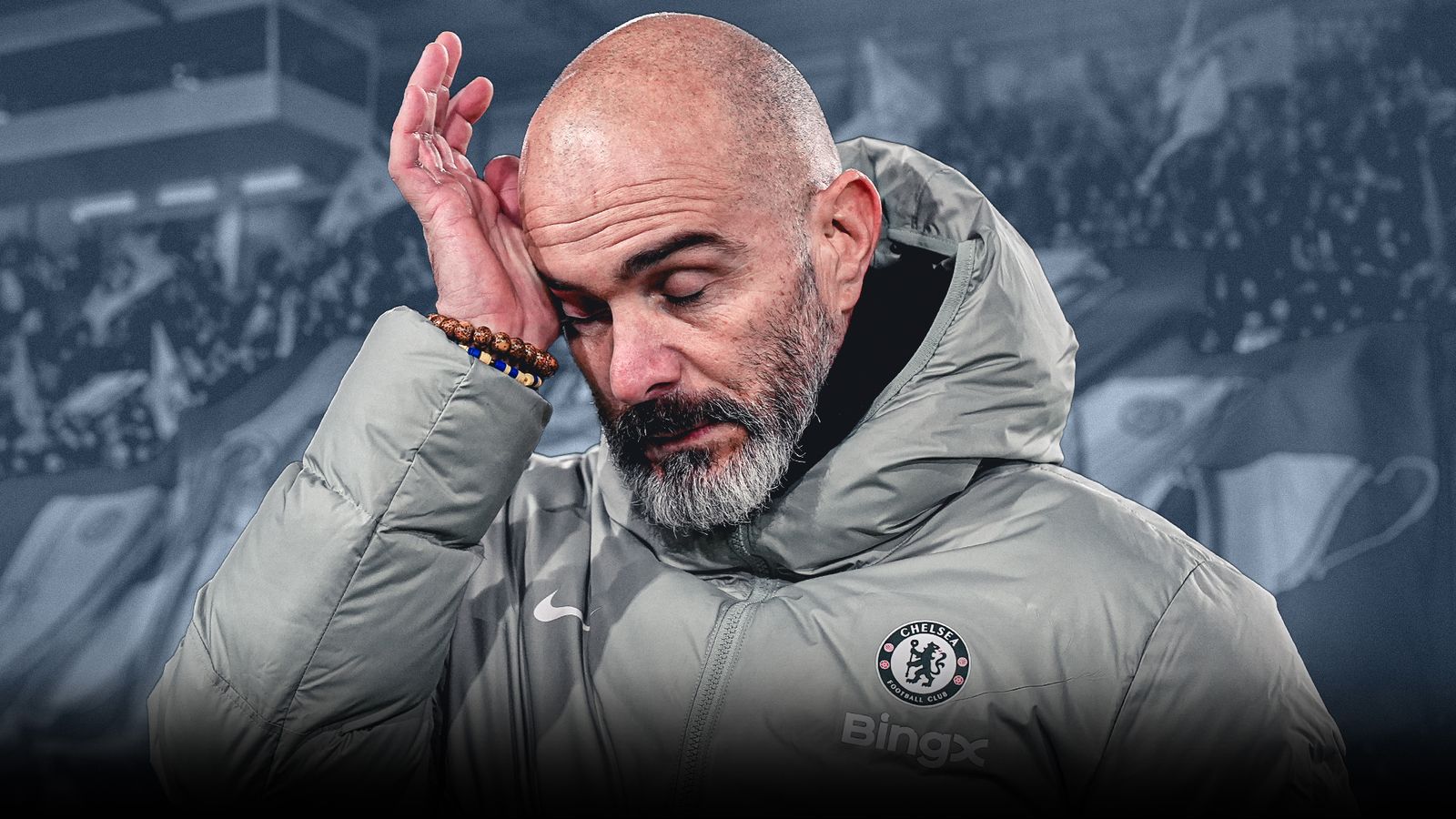
The fixture computer has delivered a narrative masterpiece for the opening weekend. Enzo Maresca will walk out of the Stamford Bridge tunnel and turn left. Just six months after his sudden resignation plunged Chelsea into structural chaos, the Italian returns to West London as the manager of Manchester City.
It is a transition that has cost Manchester City a reported £17m in compensation. Maresca himself is paying an undisclosed settlement to resolve his own legal dispute with the Chelsea board. This opening day clash is the ultimate grudge match, fueled by a fiery statement from Chelsea that laid bare their anger at his departure.
Chelsea felt let down by a coach who had signed a long-term contract just the summer before. They accused him of having his head turned by City as early as autumn last year. Now, that off-pitch drama translates directly into a high-stakes tactical battleground.
The Tactical Battle for Midfield Control
Tactically, Maresca is a disciple of Guardiola, having served as his assistant during the 2022/23 treble-winning campaign. We know the system he wants to play because we saw it during his twelve months in West London. He will instruct his right-back to tuck into midfield to create a 3-2-4-1 build-up shape.
At Chelsea, this role fell to Malo Gusto, who often struggled with the lateral spatial demands of the system. For Manchester City, Rico Lewis will likely slot into the double pivot next to Rodri. This movement is designed to dominate the central zones and choke opposition transitions.
But Chelsea's scouting staff will have spent the pre-season identifying the weaknesses in this shape. When Maresca's teams lose possession in transition, the space behind the inverted fullback is notoriously vulnerable. Last season, opposition wingers exploited this channel repeatedly during Chelsea's autumn slump.
The Midfield Suffocation
The key to stopping Maresca's City will lie in the pressing triggers, with Chelsea likely deploying a compact mid-block that refuses to bite on Rodri's baiting passes. In his final months at Chelsea, Maresca's possession play became sterile. The team kept the ball but failed to progress it through the lines.
If Chelsea can block the passing lanes to Kevin De Bruyne, City's build-up will stall. During Chelsea's 2-2 draw against Bournemouth in December, the Cherries blocked the half-spaces and forced Maresca's side into 42 U-shaped passing sequences. A similar defensive discipline will be needed from the hosts.
Chelsea must also exploit the space between City's center-backs. If Erling Haaland is isolated up front, City's possession can quickly become a defensive shield rather than an attacking weapon. The tactical battle in the middle third will decide the match.
The transitional phase will be the battleground. When City lose the ball, Rodri must shut down Chelsea's counter-attacks immediately. If he fails, Chelsea's front line has the pace to cause severe damage.
The Bitter Fallout of the Stamford Bridge Exit
The atmosphere inside Stamford Bridge will be hostile. The home crowd has not forgotten the circumstances of Maresca's exit. As Sky Sports reported, his departure caused massive disruption.
In his final home match, a draw with Bournemouth, fans openly booed his decision to substitute Cole Palmer. Chants of 'you don't know what you're doing' echoed around the stadium. That substitution was the tipping point of a relationship that had been fracturing for weeks.
Maresca's public outbursts had already alienated the hierarchy. Following a 2-0 home victory over Everton in mid-December, he stunned the press room by complaining about his 'worst 48 hours' at the club. He claimed that 'many people didn't support us,' a comment that went unexplained and unresolved.
Within two weeks, he had resigned, leaving Chelsea with just one win in their last seven Premier League games. The club was left 15 points adrift of eventual champions Arsenal at the time. This sudden exit left the squad in limbo.
Chelsea's board did not hold back in their official statement when City appointed Maresca as Guardiola's successor. They made their disappointment clear.
"In December 2025, our head coach unexpectedly and abruptly resigned from his position. Obviously, we felt let down as we believed that his head and heart were focused on another club..."
Maresca attempted to repair the damage with an Instagram statement. He apologized for the disruption caused by his exit.
"The decision was only mine. My resignation from Chelsea opened a path for me to join Manchester City, which is a club I knew very well."
The Cost of Chaos
The apology did little to soothe the anger in West London. The subsequent appointment of Liam Rosenior was an unmitigated disaster. Rosenior lasted just 106 days before the board sacked him.
The team drifted down the table, eventually finishing in 10th place. They missed out on European football entirely, surviving in the top half only on goal difference. Now, they must face the man they hold responsible.
Key Matchups: Where the Game Will Be Won
Three tactical dynamics will dictate the flow of this match:
- How effectively Gusto can track back when City attack the half-spaces.
- Whether Rodri can nullify the passing lanes to Palmer in transition.
- The success rate of City's defensive line in catching Chelsea's wingers offside.
All eyes will be on Cole Palmer. The midfielder's relationship with Maresca was complicated by that infamous final substitution against Bournemouth. Palmer will be eager to prove a point against his former coach.
If Chelsea play a direct counter-attacking style, Palmer will be the transition outlet. His ability to turn in the half-spaces will test City's defensive structure. We can expect him to target the space behind City's high defensive line.
City, on the other hand, will look to control the tempo from the opening whistle. Maresca wants low-risk, high-possession football. Expect City to dominate the ball, targeting 65% possession or higher.
But dominance without penetration is useless. City must show they can unlock a low block without Pep Guardiola's touchline interventions. The players must adapt quickly to Maresca's specific passing rotations.
Chelsea's backline will face a severe test. Erling Haaland's movement in the box will require constant communication between Chelsea's center-backs. A single defensive lapse will be punished.
The battle between the wingers and the fullbacks will also be decisive. City's wide players will try to isolate Chelsea's defenders in one-on-one situations. Chelsea must ensure their wingers track back to support the defense.
Maresca's side will also look to exploit set-pieces. City have a height advantage that could prove telling in a close match. Chelsea's defensive organization on corners will be under intense scrutiny.
The Verdict and Prediction
This match will not be a tactical masterpiece. Instead, it will be a chaotic affair decided by individual errors and transitional moments. Chelsea's defensive transition is still too weak to withstand City's sustained pressure.
City will find joy through the half-spaces, exploiting Chelsea's lack of midfield cohesion. Maresca will get his win, but it will be a nervy afternoon. The final whistle will bring relief rather than celebration.
I predict a 2-1 victory for Manchester City. Erling Haaland will score the winner in the 74th minute, converting a low cross from the right flank. Chelsea will show promise but ultimately fall short due to defensive lapses.