The North London Midfield Engine Divided
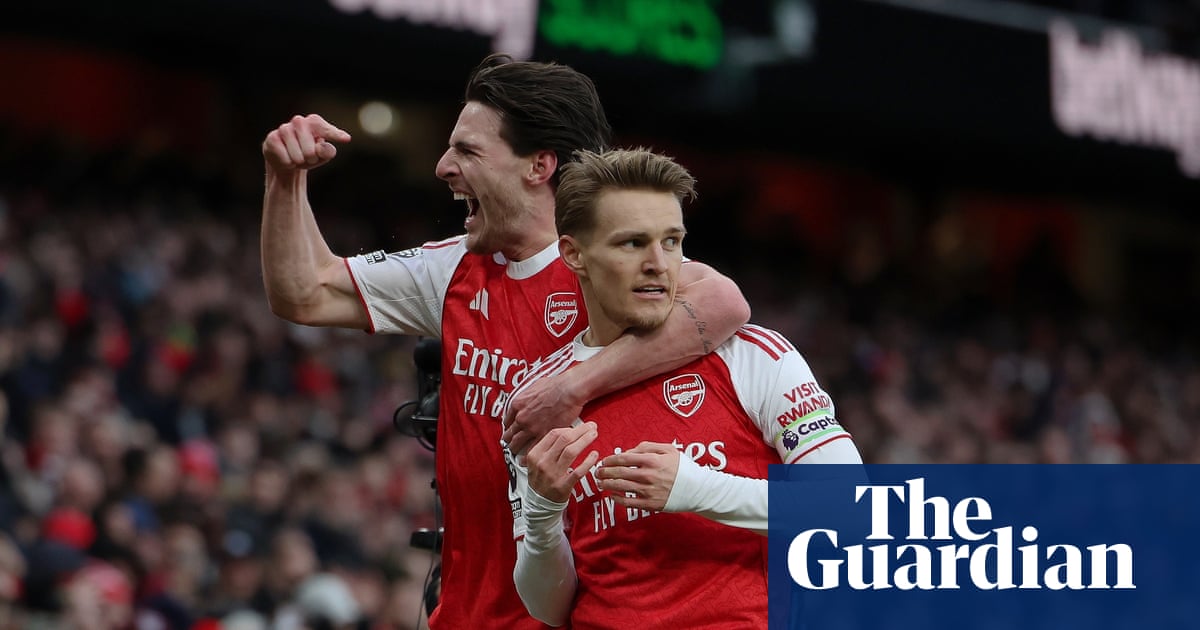
Club loyalty is temporarily dead. The Arsenal WhatsApp group chat has gone silent as Declan Rice and Martin Ødegaard prepare to face each other in the World Cup quarter-finals. These two players were the central pillars of Arsenal's recent Premier League title run, but now they must find a way to break each other's game plan.
This isn't a typical international matchup between two star names. It is a direct, head-to-head tactical conflict in the most contested area of the pitch. As The Guardian reported, club ties are officially on hold when a World Cup semi-final spot is on the line.
England enter the match as favorites, but their path through the tournament has been far from convincing. Their build-up play has frequently looked sluggish, relying on moments of individual rescue rather than cohesive team patterns.
Norway, on the other hand, have embraced their status as dangerous underdogs. Ståle Solbakken has constructed a team designed to maximize their two elite talents while hiding their structural weaknesses.
The Half-Space War
To understand how Norway can win this game, you must look at how Ødegaard manipulates the right half-space. In their Round of 16 victory against Austria, the Norwegian captain operated almost exclusively in the channel between the opposition left-back and left center-back.
He registered 47 touches in that specific zone, constantly turning to face the goal. His ability to receive under pressure and immediately slide passes between defensive lines is unmatched in this tournament.
If England allow him to turn freely, Erling Haaland will run riot behind John Stones. Ødegaard has already assisted Haaland three times in this tournament, with two of those passes coming from deep in the right half-space.
How Arteta built them, how they clash
At Arsenal, Rice and Ødegaard function as a symbiotic pair. Rice's defensive stability allows Ødegaard the freedom to press high and create in the final third. Now, that relationship is inverted. Rice knows exactly which passing lanes Ødegaard prefers, while Ødegaard is fully aware of Rice's turning radius and pressing triggers.
This mutual familiarity creates a fascinating tactical stalemate. Rice will try to guide Ødegaard onto his weaker right foot. Ødegaard will respond by dropping deeper into his own half to pull Rice away from England's center-backs.
This is where Declan Rice becomes the central figure in England's defensive blueprint. Rice will play as the left-sided defensive midfielder, meaning he is directly responsible for occupying the exact space Ødegaard wants to exploit.
In England's group stage draw against Denmark, Rice was forced to cover an enormous amount of lateral territory. His interception map from that game shows he made five key ball recoveries near the left touchline.
But this lateral movement is a double-edged sword. If Ødegaard can drag Rice out of the center, he opens up space for Sander Berge to make late runs into the box.
Exploiting the Left Flank Flaw
England's structural imbalance on the left side is no longer a secret. With Luke Shaw lacking match fitness, England have deployed Kieran Trippier out of position at left-back, which limits their progression options.
Trippier naturally cuts inside on his right foot, which slows down England's transitions and invites opposition pressure. Norway will target this area immediately with Alexander Sørloth.
Sørloth will look to pin Trippier back, creating a two-on-one overload with Ødegaard drifting wide. In Norway's group stage match against Spain, this exact tactical pattern yielded an impressive 1.85 xG.
The Haaland Factor
You cannot analyze Norway's midfield without discussing Erling Haaland. His presence forces opposing center-backs to drop five yards deeper than they normally would. This deeper defensive line stretches the vertical gap between England's midfield and defense, creating the exact pocket of space that Ødegaard thrives in.
If John Stones and Marc Guéhi get pulled deep by Haaland's blind-side runs, Rice will have to cover double the vertical space. This is where England's lack of structural compactness could be exposed. If Rice is forced to drop back to assist the center-backs, the edge of the box belongs entirely to Norway.
England's midfield selection alongside Rice will determine how they handle these overloads. If Kobbie Mainoo starts, he must show greater positional discipline than he did against Switzerland, where he repeatedly left the space behind him exposed.
Adam Wharton is another option, offering better security in possession but lacking Mainoo's dynamic ball-carrying ability. Whoever starts, they must prevent Rice from being left isolated in transition moments.
Pressing Triggers and the Build-up Trap
England's press has been disjointed throughout the tournament. Jude Bellingham often initiates a high press alone, leaving a massive gap between the front line and the midfield double pivot.
Against a progressive midfield, this disjointed press is suicide. Ødegaard needs only a fraction of a second to spot these gaps and play through them.
Norway's center-backs, Leo Østigård and Andreas Hanche-Olsen, are not elite progressors of the ball, but they don't need to be. Their only job in possession is to find Sander Berge or Ødegaard as quickly as possible.
England should set their press trigger on the Norwegian center-backs rather than chasing Ødegaard. If they can force Østigård to play long balls, Harry Kane and John Stones should dominate the aerial duels.
However, if England drop into a passive deep block, they play directly into Norway's hands. A deep block allows Ødegaard to camp in Zone 14, where his shot-creation metrics rise exponentially.
The Verdict: Depth Over Individual Magic
Norway's starting eleven can compete with any team in the world, but their bench is incredibly thin. Once the match passes the sixty-minute mark, Solbakken has very few options to change the game's direction.
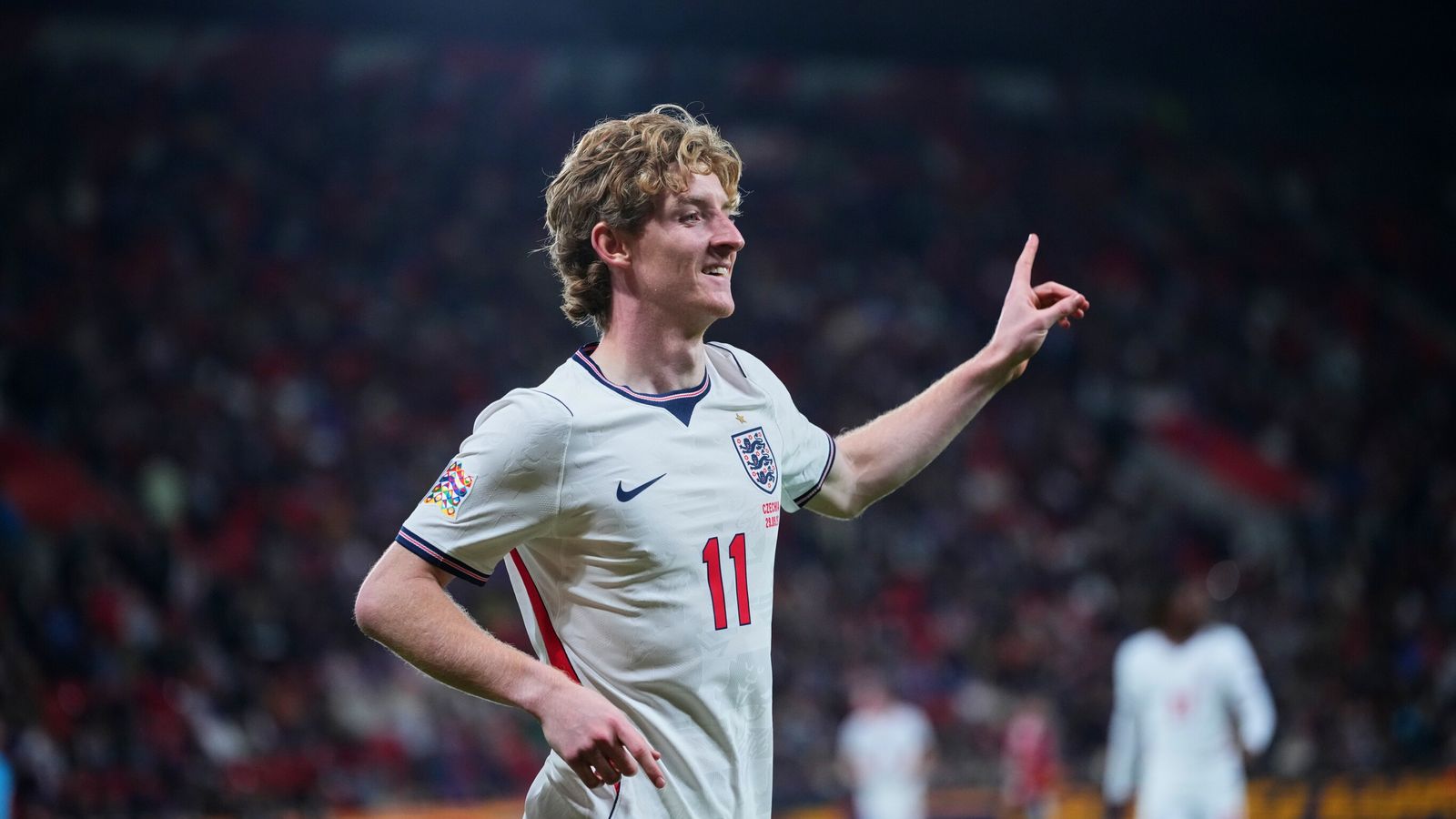
England, by contrast, possess the deepest squad in the tournament. Cole Palmer, Ollie Watkins, and Anthony Gordon offer genuine game-changing quality off the bench.
Even if Norway's tactical plan works perfectly for the first hour, they will struggle to maintain that physical intensity. England's ability to introduce fresh runners against a tired Norwegian mid-block will be the deciding factor.
This match will not be a classic, but it will be a tactical masterclass in containment. Rice will win the battle of attrition, limiting Ødegaard's influence in the second half.
England will grind out a 2-1 victory, securing their spot in the semi-finals. A late goal from Watkins, assisted by a Rice interception, will seal the result.
Read Next
- Erling Haaland is waiting to punish England's familiar defensive flaws
- Why Carrick's midfield gamble will define Manchester United's season
- Why Fulham’s pursuit of Shea Charles hinges on midfield efficiency
- Top 10: Top Moments of the 2025/26 Season
- 🏴 England World Cup 2026 — Three Lions Hub
- 🇳🇴 Norway World Cup 2026 — Can Haaland Lead the Vikings?