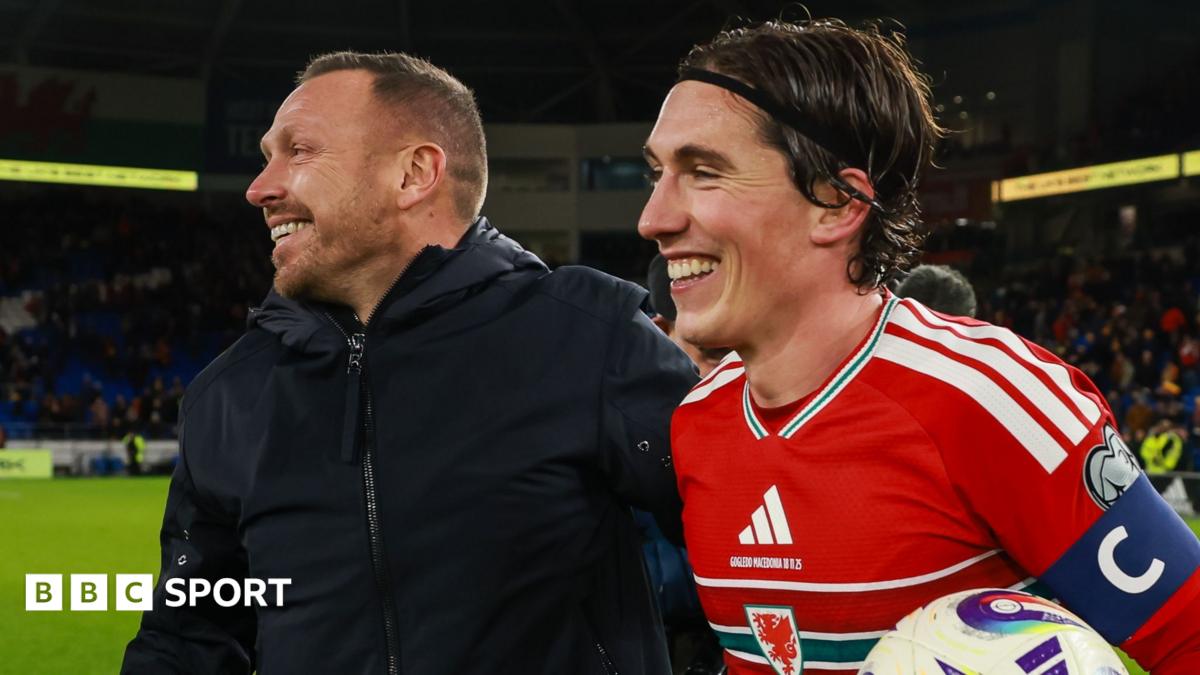
Bellamy commits to Wales following Burnley flirtation
Harry Wilson has publicly backed the decision of Wales head coach Craig Bellamy to remain with the national squad. Reports confirmed this week that Bellamy engaged in formal negotiations with Burnley regarding their vacant managerial position. Those talks collapsed, leaving the former striker firmly committed to his current post in Cardiff.
The continuity is a victory for Wilson and his teammates. Bellamy took the job with the mandate to overhaul the tactical identity of this group. Stability is rare in international football, and this internal retention prevents a mid-cycle coaching crisis.
Tactical consistency remains the priority
Wilson thrives under Bellamy’s high-pressing system. The forward has spent his career adapting to various tactical shifts at club and international levels, but this specific alignment represents a rare period of clarity. Bellamy’s rejection of the Championship side indicates he sees a concrete path for success in the upcoming Nations League fixtures.
The missed opportunity for Burnley creates noise, but it does not distract from the mission. Professional players often struggle when a manager looks for an exit, yet the Welsh dressing room appears unified by this resolution. Players prefer knowing exactly how their coach approaches a 4-3-3 shape over the uncertainty of a sudden hiring process.
The broader impact on the Welsh camp
Maintaining a settled staff is essential for the transition periods expected in the next eighteen months. Wales face a challenging schedule, and disrupting the leadership hierarchy now would have decimated preparation time. Wilson stands to benefit most from this, as he remains a focal point of the attacking movement.
However, skepticism is necessary regarding the long-term future. A manager who publicly interviews for a second-tier job is a manager who might leave at the first sign of a larger Premier League offer. The Football Association of Wales bought time, but they did not buy a lifelong commitment. The clock is already ticking on the next approach.
Historical context of national team coaching cycles
National teams often face turbulence when managers flirt with club prospects. We have seen this disrupt team cohesion previously across Europe, where training camps turn into press conferences about contracts rather than set-pieces. Bellamy avoiding that fate is a net positive for local stakeholders in the BBC coverage details regarding his decision.
The internal expectation is that Bellamy uses this retention to focus heavily on player development. Wilson is at a stage in his career where he needs a static role to maximize his output. If the coaching staff maintains the current trajectory, the squad should avoid the erratic results that plagued their previous qualifying campaigns. Consistency is the foundation from which they expect to build.
Immediate concerns for the upcoming cycle
While the administrative side is settled, the physical condition of the core squad remains the next hurdle. Wilson has managed his workload carefully throughout his career to avoid recurring soft tissue issues. A settled manager often manages these loads better than a revolving door of trialist coaches who lack intimate knowledge of individual medical histories. Reliability is the metric by which this season will be measured.
If Bellamy can keep the group focused, expectations for the next major tournament cycle rise. Deflecting the pressure from a club move suggests a level of mental fortitude from the coaching staff. Now, the emphasis shifts back to the pitch, where results have to justify the decision to stay. The fans expect results, and the players expect structure. Both were delivered by this outcome.