The lecture from Zurich
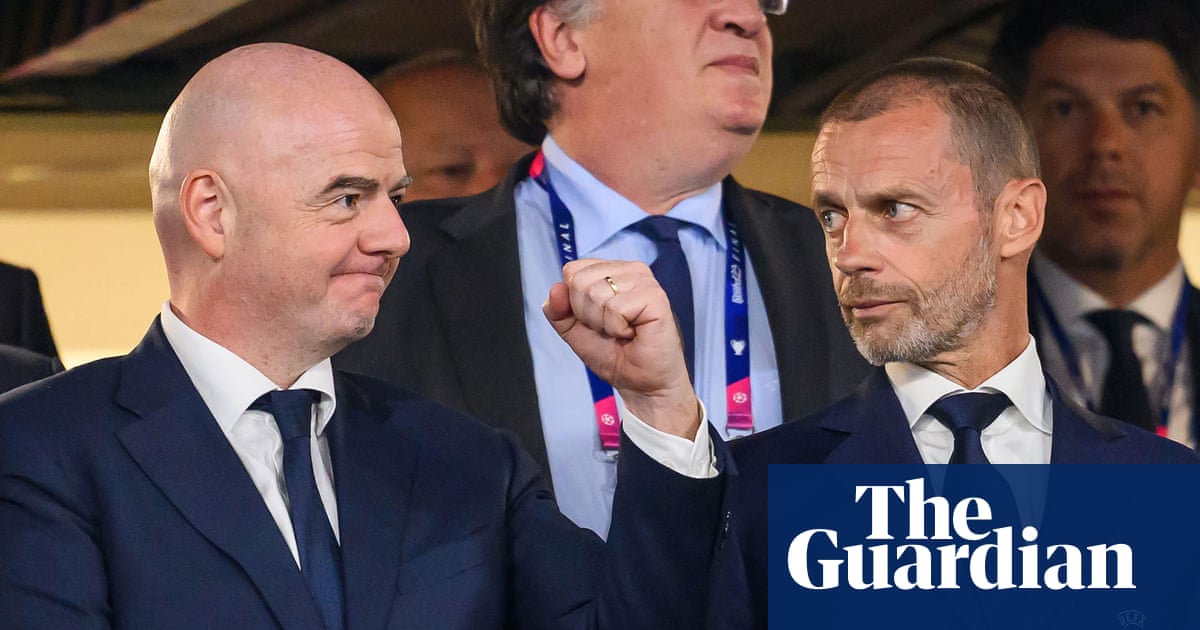
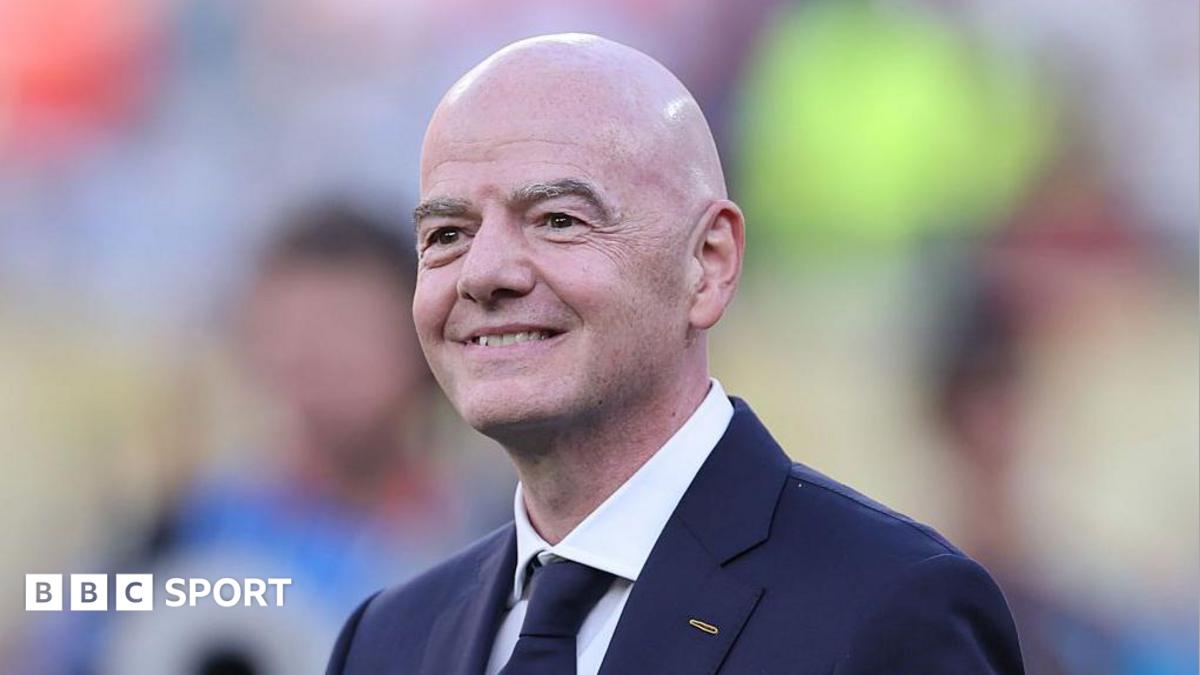
Gianni Infantino has a message for anyone questioning FIFA's handling of the expanded World Cup calendar. Don't look at the fixture congestion. Don't examine the broadcast rights distribution. Instead, the FIFA president suggests you try to meditate, pray, or simply watch a match.
It is a remarkable pivot from the head of football's governing body, delivered with the serene conviction of a man utterly detached from the realities on the pitch. Addressing ongoing criticism regarding tournament expansion and organizational transparency, Infantino dismissed pushback as nothing more than people spreading hate and false rumours.
Telling supporters and journalists to take up mindfulness rather than ask hard questions about player safety and financial allocation is bold, even by Zurich standards. It highlights a widening gulf between global administration and the actual sport taking place on the turf every weekend.
Tactical fatigue vs corporate expansion
While Infantino preaches inner peace, managers across top European leagues are managing squad fatigue under unprecedented match loads. The shift to a 48-team World Cup format isn't just an administrative adjustment; it fundamentally alters match dynamics, recovery cycles, and squad depth strategies.
Consider the physical demands on elite central midfielders who logged over 4,500 minutes last season. When pressing triggers fail in the 75th minute because a squad has played 65 matches across all competitions, no amount of pre-match meditation restores defensive compactness. The physical breakdown is measurable on the pitch—sprints drop off, high-turnover recoveries fall, and late goals conceded spike.
Dismissing legitimate tactical and physical concerns as hate ignores the structural strain placed on the game's primary assets: the players. The product Infantino tells critics to enjoy relies entirely on high-intensity performance, yet the calendar dilutes that very intensity with every added fixture.
The noise won't disappear
Infantino's attempt to hand-wave valid criticism as mere online hostility won't quiet the room. Supporters notice when ticket allocation schemes favor corporate hospitality over legacy fanbases. Analysts notice when match quality dips during bloated group stages designed primarily to maximize ad slots.
As reported by BBC Sport, Infantino's call to meditate, pray or watch football instead of spreading hate marks a defensive posture from a presidency that prefers unquestioned consensus. But football fandom is inherently critical; it demands scrutiny of the stewards holding the keys to the game.
The irony of telling fans to sit back and watch the game is that fans are watching—and they see the structural flaws clearly. No amount of official spin changes the reality of a congested calendar and diluted competition standards.
What lies ahead
As we head toward the next tournament cycle, expect the friction between FIFA hierarchy and domestic football bodies to escalate. Managers will continue to rotate heavily, international windows will face pushback from club executives, and the quality of early-round matches will reflect the physical tax paid by players.
Infantino can ask the public to look away from the numbers, but the numbers tell the story. Broadcast revenues rise while player availability metrics drop, creating an unsustainable trajectory for top-tier football.
My prediction? The calls to meditate won't stem the tide of criticism. Expect player unions and domestic leagues to push back harder legally and institutionally before the next international cycle begins. The pitch doesn't lie, even if Zurich prefers silence.