A radical departure from McKenna-ism
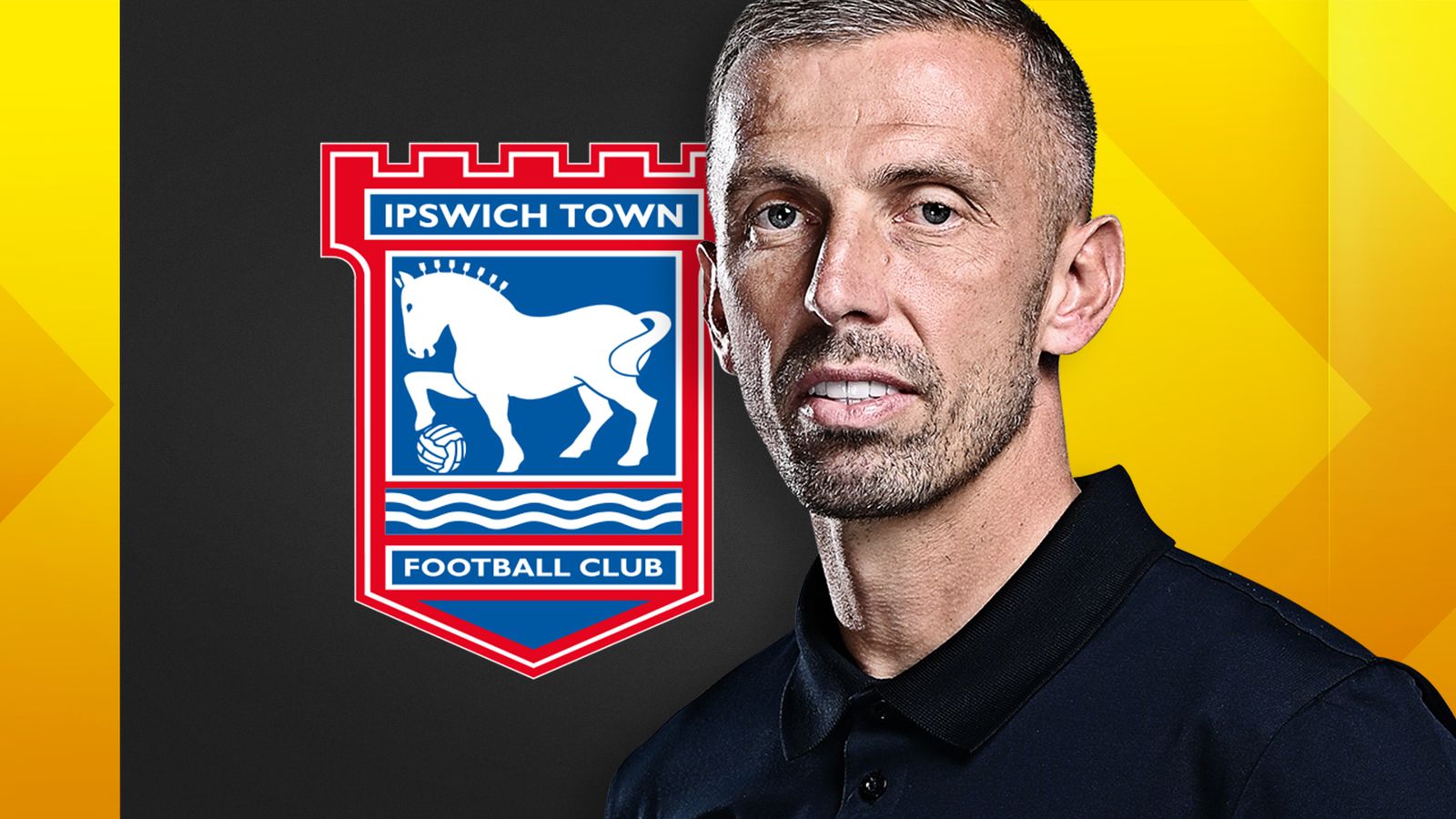
Portman Road is preparing for a sharp tactical adjustment. The fluid, possession-heavy 4-2-3-1 that Kieran McKenna used to secure back-to-back promotions is being dismantled by his successor, Gary O'Neil.
O’Neil arrived from Strasbourg in late June with a reputation for pragmatism and structural discipline. His teams prioritize defensive shape, compact mid-blocks, and direct counter-attacking sequences.
As the squad flies to Spain on Monday, July 20, for their training camp in La Manga, the recruitment strategy reflects this philosophical shift. The club is targeting physical resilience and direct vertical speed. This is no longer a side built to dominate the ball at all costs.
Rebuilding the roster for a transition game
The direct threats: Fatawu and Maeda
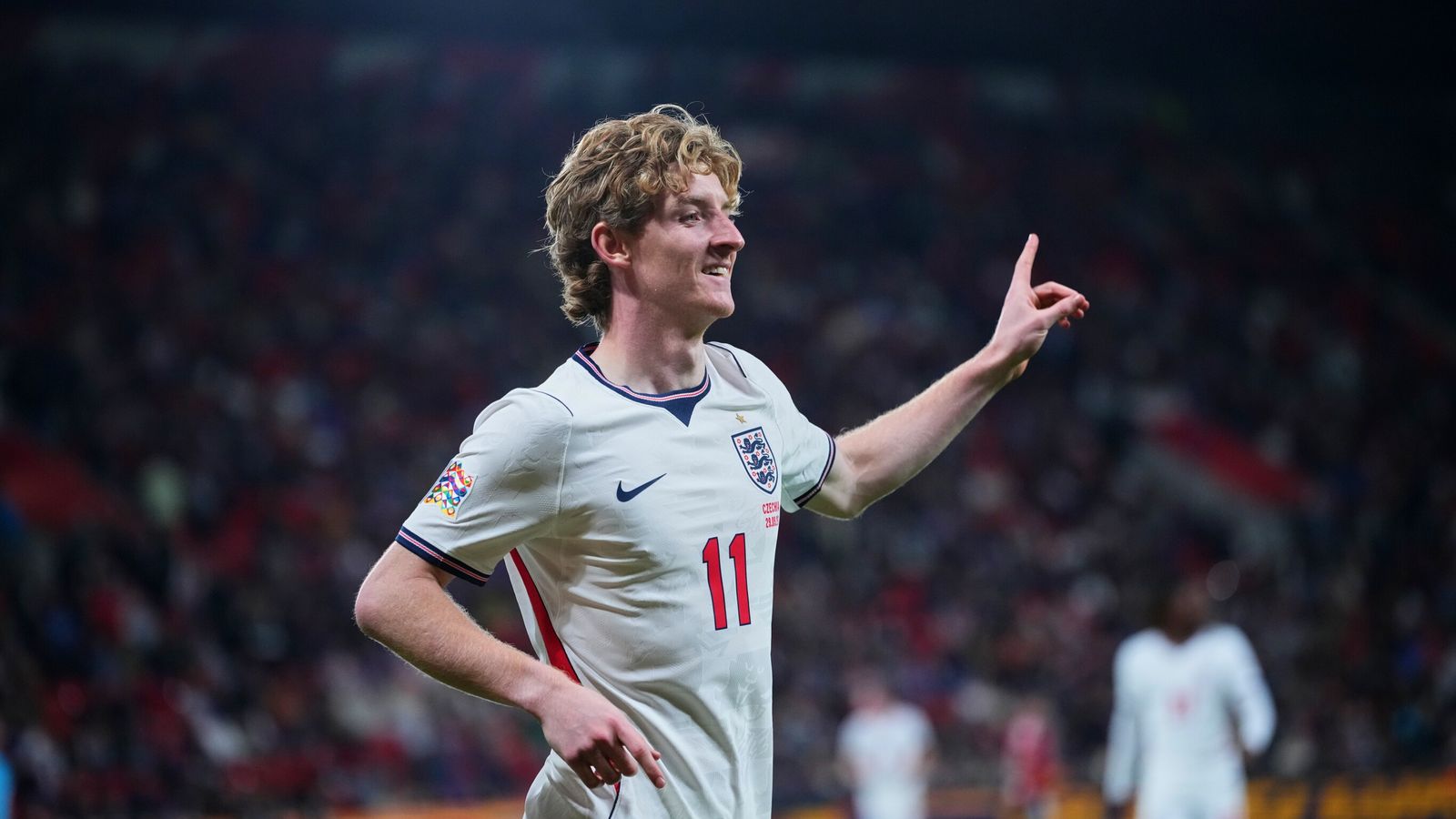
The primary signal of this change is the imminent arrival of Abdul Fatawu. The 22-year-old Ghana international is undergoing a medical to seal a permanent move from Leicester. The transfer fee is understood to be an initial £20m plus add-ons.
Fatawu spent last season in the Championship, where Leicester suffered a surprising relegation to League One. Despite their collective failure, his individual output remained elite, offering the explosive ball-carrying O'Neil demands on the flanks. Ipswich fans will remember his goal-of-the-season contender against them in Leicester's 3-1 win at the King Power Stadium.
That goal, struck from well inside his own half, showed Fatawu's spatial awareness and audacity. Under O'Neil, Fatawu will not just be a winger but a key outlet in transition. He will be expected to carry the ball over large distances to stretch opponents.
To balance Fatawu's directness, O'Neil wants Celtic's Daizen Maeda. As Sky Sports reported in their live transfer blog, the clubs have held talks regarding the 28-year-old Japan international, who is entering the final year of his contract. Maeda is a relentless pressing asset who has won nine major honours in Scotland.
In Glasgow, Maeda became famous for his high-volume defensive work in the final third. He triggers the press with intense sprints, forcing centre-backs into hurried clearances.
If the deal goes through, Maeda will provide the defensive coverage that O'Neil requires from his wide attackers. This is a critical departure from the creative, interior wingers favored by McKenna. The new system demands tracking back and filling lanes.
Building height and security in the box
A defensive line cannot survive in the top flight without physical presence. To address this, Ipswich have agreed an £8.5m deal with Fulham to sign defender Issa Diop.
The Morocco international brings vital top-flight experience to a backline that has looked vulnerable during transition. Diop is comfortable defending in deep blocks and winning aerial duels in crowded areas. His arrival suggests O'Neil will often employ a back-three system.
The overhaul extends to the goalkeeper position. Ipswich are in negotiations with Union Saint-Gilloise to sign Kjell Scherpen as their first-choice goalkeeper. Scherpen, who has a contract until 2028, provides imposing height.
This height trend is reinforced by the acquisition of Dutch goalkeeper Kayne Oevlen. The 22-year-old stands at 6ft 6in and has agreed a five-year contract.
The transfer fee for Oevlen from Volendam is worth up to £4.25m, with a major portion paid upfront. While Oevlen is viewed as a developmental option rather than a starter, his profile is telling. O'Neil is clearly building a team that can dominate the penalty area.
Coaching and squad changes
Behind the scenes, Stuart Lewis has joined the coaching staff as first-team coach. Lewis arrives from Tottenham, where he served as the academy transition coach.
His expertise in managing the step up from academy to senior football will be vital. O'Neil needs to integrate younger signings like Fatawu and Oevlen quickly. The coaching setup is being structured to support tactical adaptation.
Stuart Lewis will be tasking his midfield transition groups with immediate ball recovery drills during the Spanish camp. The objective is to limit the opponent's transition opportunities to less than five seconds per sequence. This intense defensive preparation will determine if the team can survive in the top division.
Meanwhile, some familiar names are being moved on. The club is listening to permanent offers for 25-year-old defender Harry Clarke. Clarke has one year left on his contract and is attracting interest from Bristol City, Sheffield United, Preston, and Stoke.
Clarke's departure is a necessary sacrifice to balance the wage bill. It also frees up space for Diop's integration.
La Manga and the opening day test
La Manga: The tactical forge
The squad's trip to La Manga is not a leisurely retreat. With only a few weeks before the opening match against Sunderland, O'Neil must drill his structural principles into a changing roster. The intense double sessions under the Spanish sun will focus on defensive shape and recovery runs.
New arrivals must quickly learn the pressing triggers. O'Neil requires his players to react as a single unit when the opponent enters the middle third. There is no room for individual hesitation in a low-block system.
This period is also vital for building defensive chemistry between the new goalkeeper and the back three. Diop and the prospective number one, Scherpen, need to establish clear communication channels. A single misunderstanding against Premier League attackers can lead directly to conceded goals.
The season opener against Sunderland
On August 22, Ipswich will host Sunderland at Portman Road in their opening match of the season. Régis Le Bris's side represents a fascinating tactical challenge. Sunderland are known for their patient build-up play and central overloads.
Le Bris prefers a possession-oriented system that looks to draw out opponents before exploiting spaces in behind. In contrast, O'Neil will likely deploy a compact mid-block. The goal will be to restrict space in the half-spaces and force Sunderland wide.
The key battle will occur in the midfield transition zones. If O'Neil's side can win the ball back in the middle third, Fatawu and Maeda can exploit the vacated wings. However, any structural breakdown could leave Diop exposed in isolated defensive duels.
There are obvious risks to this approach. A deep defensive stance can invite sustained pressure, which can be exhausting over ninety minutes.
Furthermore, integrating so many new faces in a short pre-season is difficult. If Scherpen and Diop lack coordination early on, Sunderland's mobile forwards will exploit the gaps. The training camp in Spain is the only real opportunity to build these connections.
Tactical warning signs and prediction
Structural flaws and warning signs
While the spending is ambitious, the rapid rebuild carries significant danger. Relying on players from relegated clubs or secondary leagues is a gamble. Fatawu is immensely talented, but his decision-making in the final third remains erratic.
Similarly, Scherpen has struggled with consistency in his distribution. If O'Neil wants to build from the back, Scherpen's technical limitations could be exposed. The team must adapt to these flaws quickly.
Moreover, phasing out popular promotion heroes like Clarke can damage dressing room morale. O'Neil is gambling on raw profile over squad continuity.
A bold prediction for the opening day
Despite the risks, O'Neil's pragmatic structure should give Ipswich an edge in low-scoring affairs. Sunderland will dominate possession at Portman Road but will struggle to break down the defensive block. Diop's aerial dominance will neutralize cross-box deliveries.
On the counter, Fatawu's raw pace will prove decisive against a high defensive line. We expect a narrow, hard-fought victory for the hosts.
Ipswich will grind out a 1-0 win to start their campaign. The O'Neil era will begin with three valuable points.