Defensive discipline vs. attacking velocity
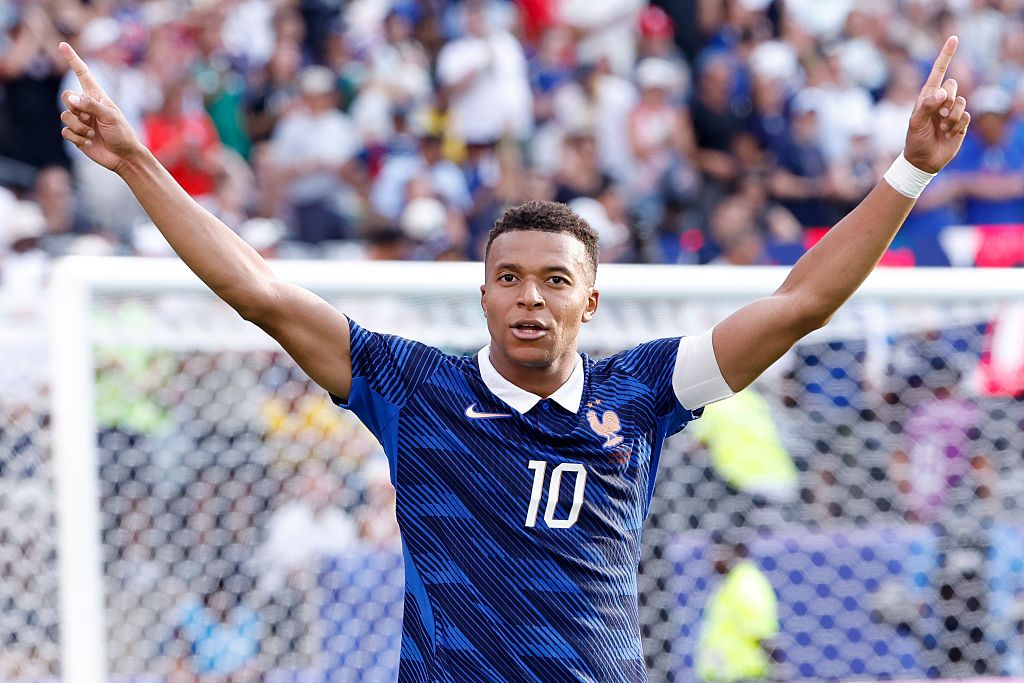
France enters this fixture averaging 2.45 goals per match throughout the tournament. Their reliance on transition moments remains the primary engine for this offensive output. Didier Deschamps favors a narrow 4-2-3-1 that forces opponents to compress the vertical space between the defensive and midfield lines.
Morocco, however, operates with a low block that has conceded only 0.38 goals per match through their last eight competitive appearances. This defensive efficiency is not merely about personnel but positional rigidness. Their fullbacks maintain narrow spacing to negate the half-space runs favoured by Antoine Griezmann.
The statistical friction of the French press
France completes 86 percent of their passes in the final third, a figure that suggests high-volume dominance. Yet, against a defensive structure like Morocco's, ball retention loses value if the receiver is constantly forced backward. The Sky Sports live build-up highlights that Morocco averages only 34 percent possession, yet their direct passing sequence accounts for 19 percent of their total offensive actions.
The counterintuitive reality here is that controlling the game may actually hinder the favorite. When France holds possession above 60 percent, their shot conversion rate drops by 4 percent compared to games where they surrender the ball. Deschamps must resist the urge to dictate play and instead lean into the chaos that defined their previous knockout rounds.
The danger of set-piece reliance
Morocco is vulnerable to aerial deliveries despite their defensive prowess. Defenders allow an average of 14.2 crosses per 90 minutes, ranking among the highest in the current field. If France isolates their taller targets, they potentially bypass the congested central corridor entirely.
The margin for error remains thin. If France fails to convert early, the psychological pressure of playing a tournament underdog in a late-stage setting often forces lateral shifts in momentum. Should the score remain level at the 62nd minute, the tactical advantage shifts decisively toward the fresher legs of the Moroccan substitutes. Effective chance creation must occur before the transition windows close as fatigue sets in for the established starters.
Expect Morocco to force the game into a high-foul environment to disrupt rhythm. They currently commit 12.8 fouls per match, a tactical necessity to prevent the French midfield from finding a secondary tempo. For France, the game will be won not through technical superiority, but by sustaining pressure without conceding the counter-attack on the wings.
Read Next
- Why Alan Shearer is finally buying into England's tournament path
- Top 10: The French Legends and Current Icons
- Thomas Tuchel faces a defensive paradox with Erling Haaland
- France vs Morocco is the identity crisis the World Cup didn't know it needed
- 🇫🇷 France World Cup 2026 — Les Bleus Hub
- 🇲🇦 Morocco World Cup 2026 — Atlas Lions Hub
- 🇧🇷 WC 2026 Group C — Brazil, Morocco, Scotland, Haiti