The defensive efficiency trap
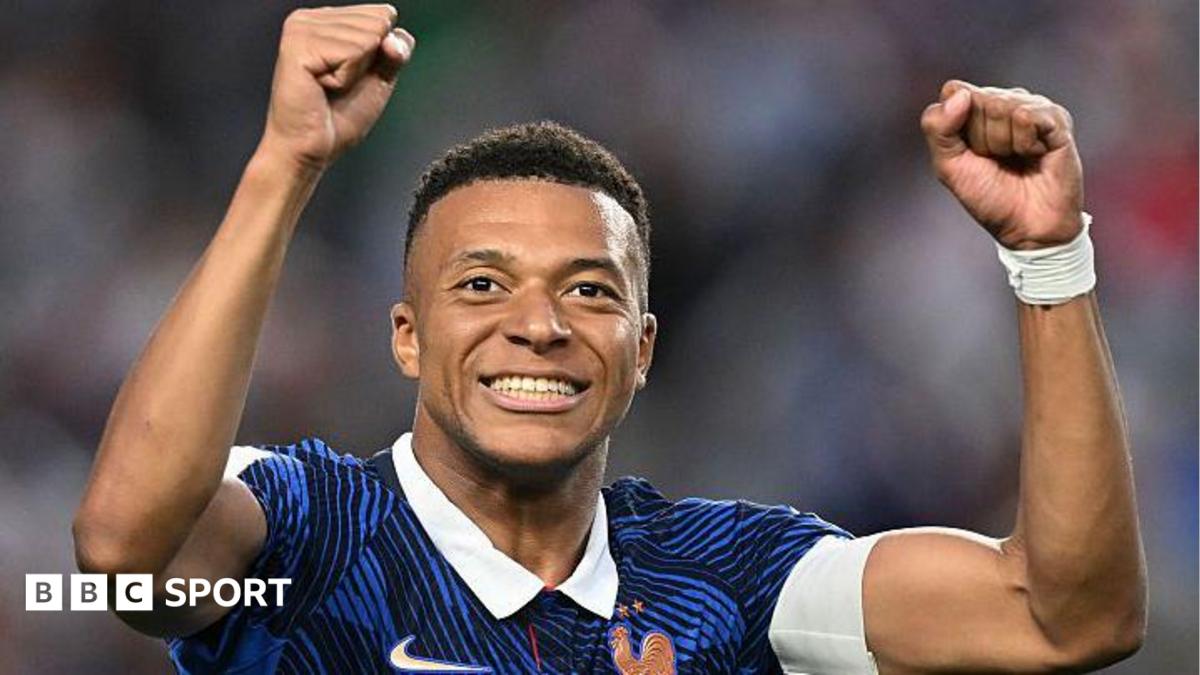
France currently occupy the top tier of international football status, appearing as heavy favorites in every major projection. In their last ten competitive fixtures across the UEFA Nations League and tournament qualifiers, Les Bleus have conceded a mere 0.6 goals per game. Their 60% clean sheet record during this stretch bolsters the narrative of an impenetrable rearguard.
However, beneath these surface-level metrics exists a concerning reliance on defensive volume rather than tactical rigidity. In the final third of the pitch, France allowed 12.4 shots per match against opponents ranked outside the FIFA top 20. When facing organized mid-to-low blocks, their expected goals against (xGA) spikes, revealing a vulnerability to rapid transition phases.
Diminishing returns in offensive output
The transition from the 2022 World Cup cycle to the current day shows a clear trend of output degradation. During the Qatar tournament run, France maintained a high-pressing intensity, forcing an average of 14.8 high turnovers per match in the attacking third. Data from the most recent calendar year indicates this metric has fallen to 9.2.
Passing volume remains high, yet the verticality of their attack has stagnated. Their forward passing completion rate plummeted from 78% in 2022 to 67% in matches held throughout early 2026. This shift confirms a tactical regression where possession is frequently recycled in deep midfield zones rather than penetrating the half-spaces behind opposition fullbacks.
The statistical vulnerability in late-game scenarios
Analysis of game states shows a significant drop-off in France’s control after the 70th minute. While they enjoy a 68% average possession share before the hour mark, this figure dips to 49% during final periods. This is not a tactical choice to sit back; it is a recurring issue of physical fatigue impacting their press frequency.
Opponents have identified that mid-block pressure against the French pivot forces long balls which are contested at a 44% win rate by the French front line. For a team marketed as a juggernaut, losing nearly six out of every ten aerial duels in the final third creates an obvious exploit for athletic, counter-attacking sides. As BBC Sport recently noted, the perception of invincibility is widespread, but the pitch-level data suggests otherwise.
Why the numbers don't guarantee glory
The reliance on individual moments of brilliance remains the primary buffer for this squad. In 75% of their narrow victories during the 2025/2026 season, the winning goal arrived from a sequence involving fewer than three passes. Relying on chaos rather than structural breakdown is a high-variance strategy for a tournament favorite.
The defensive discipline shown against lesser sides evaporates when the opposition executes high-intensity pressing cycles. France surrendered an average of 2.1 xG against top-ten ranked opponents in their final two competitive matches of the last window. That 2.1 xG figure, sustained over 90 minutes, is unsustainable for a team aspiring to lift a trophy. Relying on a 92% save percentage from their starting goalkeeper is a defensive strategy built on paper-thin margins rather than elite tactical control.
Read Next
- Juventus are testing the waters for Emiliano Martinez
- Tottenham target Rafael Leao as De Zerbi eyes aggressive summer rebuild
- Tottenham's aggressive summer move for Rafael Leao is a massive gamble
- Erling Haaland is the ultimate tactical headache for Thomas Tuchel
- 🏆 World Cup 2026 — Full Coverage Hub
- 🇫🇷 France World Cup 2026 — Les Bleus Hub