The goal difference death knell
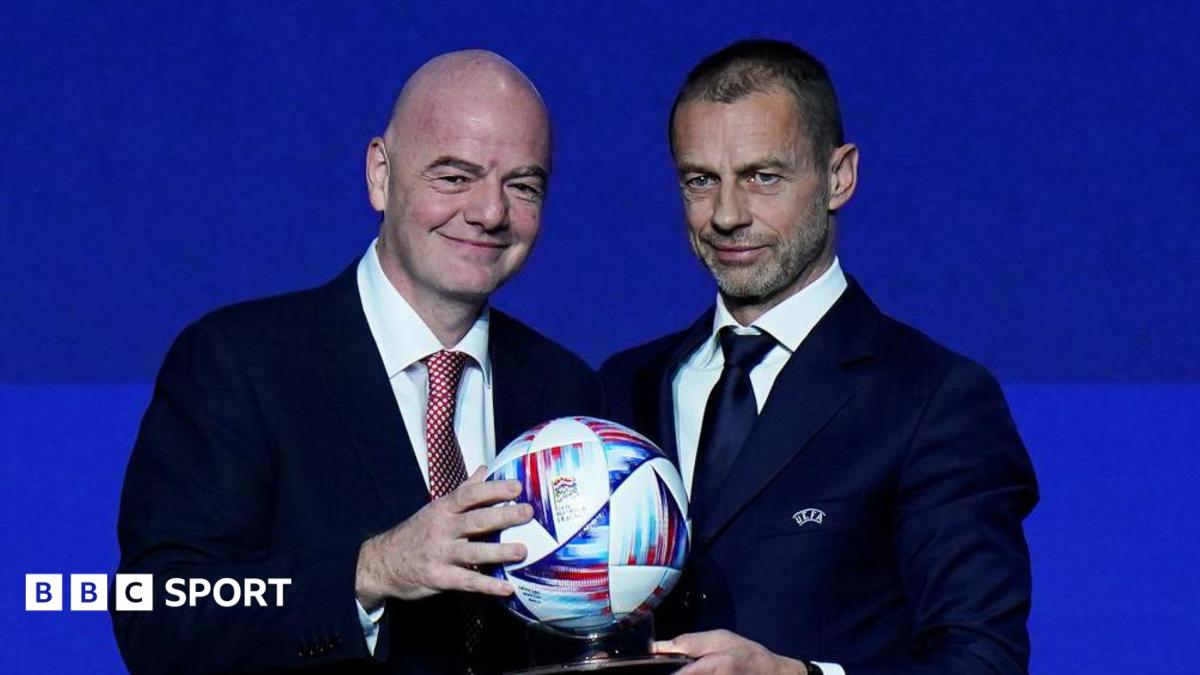
FIFA woke up this morning and decided that basic arithmetic was too much for the average football fan to handle. They have officially scrubbed goal difference from the top of the tiebreaker list for World Cup group stages in favor of head-to-head records.
It is a move so fundamentally cynical that it feels like it was cooked up by a committee that has never seen a ball kicked in anger. By prioritizing head-to-head, they are essentially telling us that the match you played against your biggest group rival is the only one that truly registers on the scoreboard.
Rewriting the math of the beautiful game
For decades, goal difference served as the ultimate equalizer. It forced teams to play for every single transition and punished the cowards who wanted to park the bus for a scoreless draw after securing three points elsewhere.
Now, if Team A beats Team B by a single goal, and they both finish on six points, Team A is through regardless of whether they were shelled by Team C in their final match. We are trading the chaotic beauty of differential accumulation for a rigid, binary system that ignores the larger body of work.
Why this stinks for the fans
Let’s call this what it is: a move to sanitize the group stages. If you are sitting through the final matchday of a tournament, you want to see scoreboards lighting up across the continent as teams scramble to fix their goal margins.
Removing that urgency creates dead rubber games that nobody wants to watch. As reported by the BBC, FIFA is banking on the idea that head-to-head simplicity is preferable to the messy, high-stakes math of goal difference.
It is a lazy bureaucratic solution for a sport that thrives on high-variance drama. If a team manages to beat an opponent 4-0 but loses a 1-0 match earlier, the net positive is clearly superior, yet that will now play a secondary role in the final standings.
The institutional problem with FIFA's obsession
This is further proof that the suits in Zurich have no grip on how fans actually consume this game. They look at a spreadsheet and see confusion, ignoring the fact that the tension of a potential goal difference flip is peak theater.
Maybe next they will decide that refereeing decisions should be decided by a popularity poll on social media. It feels like the same kind of soulless decision-making that sees World Cup formats ballooning simply to satisfy TV contracts rather than sporting integrity.
This rule shift is the hallmark of a governing body that treats the sport like a product launch rather than a competition. We are seeing a 100 percent shift toward corporate homogenization.
The thrill of an underdog team clawing back a three-goal difference in the final twenty minutes of a group game is gone. That specific kind of desperation—the one that puts thousands of heart rates into the red—is now being optimized out of existence. Good luck finding that same intensity when the result is already decided by a single head-to-head tie.