The Big Picture
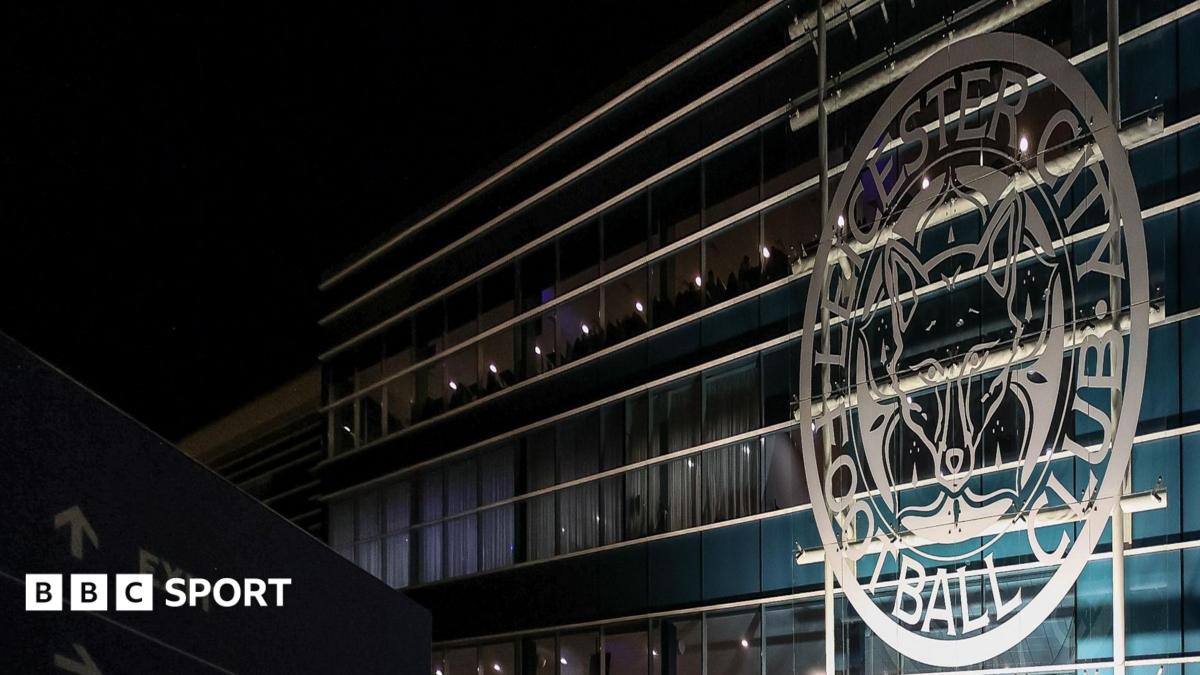
King Power is officially walking away from Leicester City after 16 years. Investment bank Citigroup is now shopping the club via an eight-page sales brochure titled 'Project Lineup' seeking over £200m. From fairytale Premier League titles to back-to-back relegations into League One, the Srivaddhanaprabha family rewrote modern football history before overseeing a staggering collapse. Here is the definitive ranking of the ten pivotal moments that defined the King Power era at Leicester.
The Top 10 King Power Era Moments
10. Acquiring OH Leuven to Launch a Multi-Club Model
King Power expanded their football footprint by purchasing Belgian side OH Leuven to build an international talent pipeline. The acquisition gave Leicester a European foothold and a secondary venue for player development. As BBC Sport reported, Leuven is now bundled into Citigroup's £200m sales brochure as a key physical asset.
Building a satellite network looks clever on an investment deck, but it did little to prevent operational drift back home. Managing multiple clubs diverted focus while Leicester's senior squad decayed. It ranks at number ten because global ambition means nothing when your flagship club falls into the third tier.
9. Cashing In on Jeremy Monga to Manchester City
Leicester sold academy graduate Jeremy Monga to Manchester City for £10m last month. The transfer showcased the club's scouting network and talent pipeline, which Citigroup explicitly highlights to prospective buyers today. Generating eight-figure fees from homegrown prospects remains one of the few bright spots in recent club accounts.
Stripping top young talent right before embarking on a League One campaign reeks of financial desperation. Selling a star asset to fund operational survival highlights how far standards dropped under current management. It places ninth because it pairs elite talent production with severe fiscal distress.
8. Russell Martin Securing a Debut Win Before League One Kickoff
Head coach Russell Martin took charge of Leicester and immediately secured a winning start in cup action. The victory provided temporary relief ahead of Saturday's League One opener against Notts County. It marked the official start of a long road back from third-tier exile.
A single victory against lower-league opposition does not erase two seasons of utter dysfunction on the pitch. Martin inherits a gutted roster burdened by steep fan hostility following relegation from the Championship. Ranking eighth captures the pragmatic reality of a club resetting from rock bottom.
7. Opening the State-of-the-Art Seagrave Complex
Leicester opened their £121m Seagrave training facility in 2020 to rival Europe's elite clubs. The world-class complex features elite recovery suites, tactical rooms, and pristine pitches designed to sustain top-four ambition. Citigroup lists Seagrave as a core physical pillar in its sales dossier to justify the asking price.
Shiny buildings cannot defend set pieces or fix terrible transfer recruitment. Investing heavily in physical facilities while letting squad depth rot created a contrast between elite facilities and poor pitch performance. It earns seventh spot as an enduring monument to ambition that outpaced squad management.
6. Sinking into Back-to-Back Relegations
Leicester suffered back-to-back relegations between 2023 and 2025, dropping from the Premier League down to League One. According to financial figures, the club logged over £180m in total losses across those tumultuous campaign years. Fans staged vocal protests outside the stadium as years of top-flight status evaporated.
This collapse represents one of the worst mismanaged drop-offs in modern English football. Boardroom hubris and inflated wage bills destroyed a decade of progress in thirty-six months. Ranking sixth accounts for the darkest turning point in the club's modern history.
5. Securing the Original £35m King Power Takeover
Khun Vichai Srivaddhanaprabha bought Leicester City from Milan Mandaric back in 2010 for just £35m. The Thai duty-free empire immediately cleared debts and injected working capital into a struggling second-tier outfit. As detailed in BBC Sport analysis, that purchase completely reshaped the standards of Leicester football.
Without King Power's initial financial backing, Leicester might have remained stuck in Championship mediocrity. Critics note that early spending was reckless before financial fair play regulations forced discipline. It takes fifth place as the foundational spark that enabled every success that followed.
4. Exposing the 'Project Lineup' Sales Teardown
Citigroup began circulating 'Project Lineup' to prospective buyers, confirming King Power's push to sell the club. The eight-page document touts a forecast 2026 turnover above £97m alongside Premier League, FA Cup, and League Cup trophies since 2000. However, the brochure omits 2025 financial accounts showing £103.6m in bank loans and massive operational losses.
"a rare opportunity to acquire a club with an excellent track record of winning promotions to higher divisions"
As reported by BBC Sport, Citigroup frames the sale pitch around past promotion records while glossing over recent re-relegation reality. Puffing up historical silverware while hiding over £100m in bank debt shows total cynicism from outgoing ownership. It lands at fourth because it exposes the harsh commercial reality behind the fairytale facade.
3. The Tragic Loss of Khun Vichai Srivaddhanaprabha
Chairman Khun Vichai died in a tragic helicopter crash outside King Power Stadium in 2019. His death devastated the city, prompting emotional tributes from players and fans across the world. His son Khun Top stepped up to assume leadership during an unprecedented period of mourning.
Vichai was the emotional anchor and visionary force behind Leicester's sudden rise to global prominence. The tragedy bonded the community, but his absence left an operational leadership void that the board failed to navigate. Holding third spot reflects the profound personal turning point for the organization.
2. Latching Onto FA Cup Glory at Wembley
Leicester lifted the FA Cup for the first time in their history five years after winning the league title. The 1-0 Wembley victory over Chelsea completed their domestic trophy collection, making them one of only five clubs to win all three major English trophies since 2000. Khun Top joined players on the pitch in emotional celebrations with fans.
Winning English football's most prestigious knockout cup proved Leicester's 2016 triumph was no flash in the pan. However, board decision-makers misread this peak as permanent elite status, overspending on contract renewals that triggered financial distress. It claims second spot as the zenith of squad performance before the drop.
1. Shocking the Sporting World with the 5,000-1 Title
Leicester City defied 5,000-1 betting odds to win the Premier League title in 2016. The miraculous campaign captured global headlines and generated worldwide commercial interest for King Power's duty-free business. It remains the greatest sporting upset ever recorded in professional league history.
Nothing compares to 2016. It challenged every financial assumption in elite football and gave small-market clubs ultimate belief. No matter how ugly the current fire sale looks in Citigroup's pitch brochure, this title is immortal. It stands indisputably at number one as the ultimate peak of sports storytelling.
Honorable Mentions
Honorable mentions include Leicester's historic Champions League knockout run to the quarter-finals and their League Cup triumphs, which solidified their standing among England's elite trophy winners since 2000. While those European nights thrilled supporters, they fall just short of the transformative moments that reshaped the club's entire destiny.