Chelsea's Pure Profit ATM strikes again
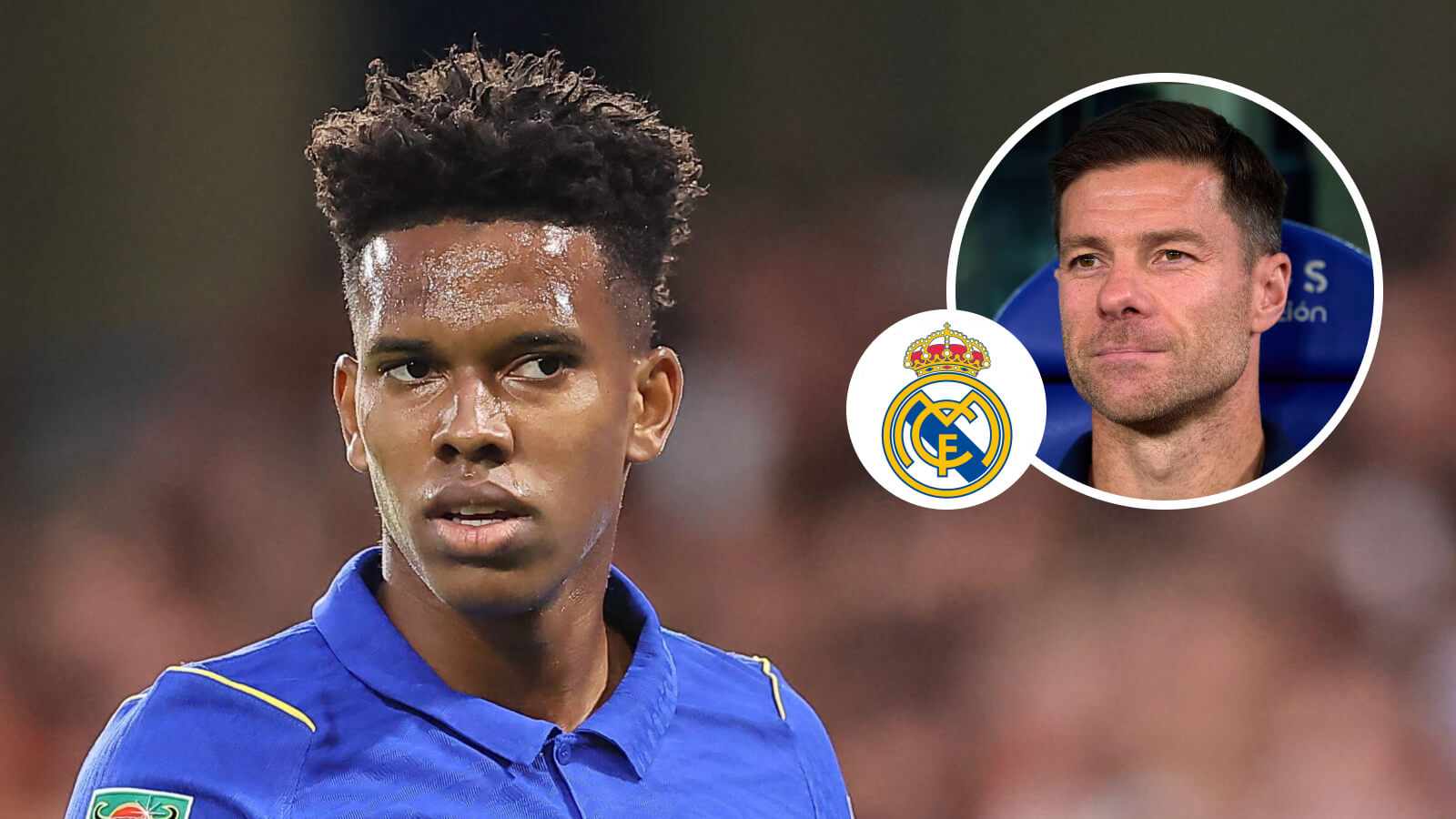
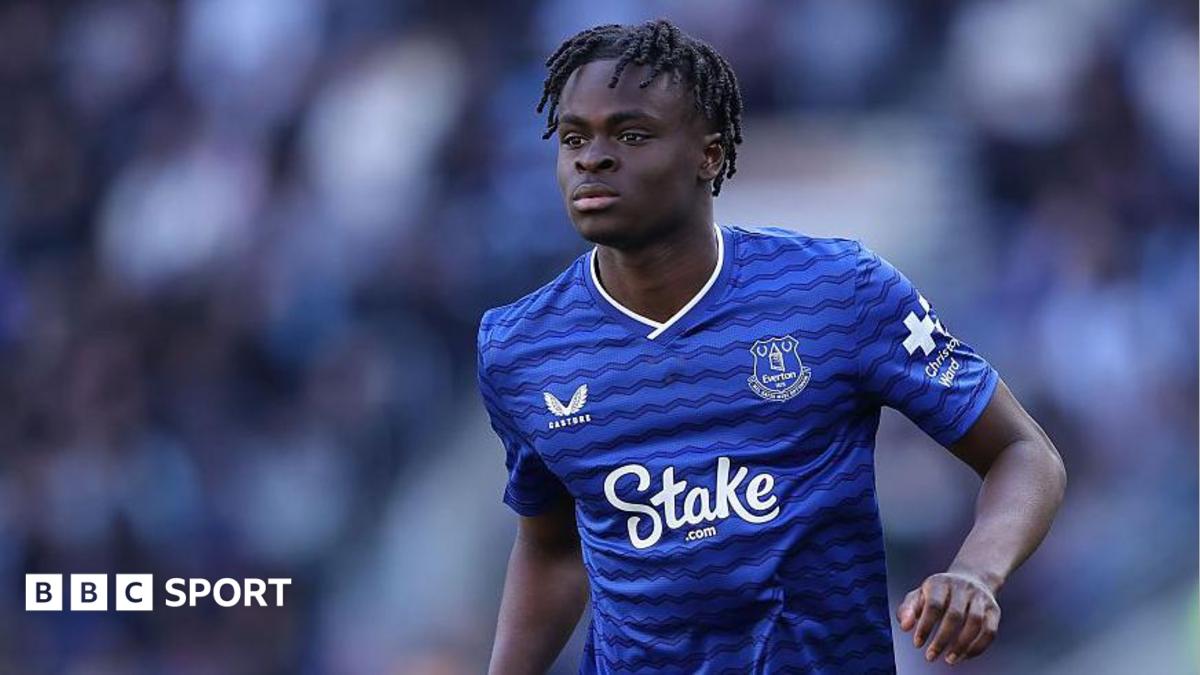
Grab a drink, pull up a stool, and look at the absolute spreadsheet sorcery happening in West London. Chelsea and Everton have agreed on a transfer fee for winger Tyrique George, and it is the most modern Premier League transaction you could possibly imagine.
According to the latest BBC Sport report, the deal is worth up to £25m including add-ons. That is twenty-five million pounds for a kid who has barely had time to locate the home dressing room at Stamford Bridge.
Chelsea's ownership group treats their Cobham academy like a high-end pawn shop. Whenever they need to balance the books after buying another dozen teenage wingers from South America, they just walk down to the youth ranks and put a price tag on whoever is standing closest to the door.
Selling George is another classic example of the "pure profit" accounting trick that keeps the Premier League's financial police away. It is hilarious, cold-blooded, and completely representative of how Todd Boehly and Clearlake Capital run this club.
The deal is still subject to personal terms and a medical, but the agreement itself is a massive statement. George is a highly rated player, but he is also a financial get-out-of-jail-free card.
In the warped logic of modern football finance, homegrown players represent "pure profit" on the balance sheet. Selling him allows Chelsea to offset their reckless spending on long-term contracts. It is a cynical cycle that shows no signs of slowing down in 2026.
Think about the message this sends to the next generation of Chelsea academy players. You can spend a decade grinding through the youth ranks, winning national titles, and dreaming of the first team.
But the moment the club needs to offset a transfer fee for a new signing, you are heading north to Merseyside. It is a brutal business model that values amortization tables over local loyalty. The fans hate it, the purists scream, but the spreadsheets keep balancing.
Everton's high-stakes gamble on a clean slate
Now let's talk about Everton, a club that has spent the last few years living in a state of constant financial panic. They have survived points deductions, stadium debt crises, and ownership sagas that felt like bad soap operas.
Yet here they are, dropping a massive fee on a player with almost no senior experience. It is the footballing equivalent of paying off your credit card debt and immediately buying a designer watch. You have to respect the absolute audacity of the move.
Everton's squad needs immediate quality to avoid another season of looking down the relegation barrel. Spending a significant portion of their summer budget on a project player is a massive roll of the dice.
If George hits the ground running, the recruitment team looks like geniuses. If he struggles to adapt, the pressure on the board will be immense. You can read the details of the agreement on the BBC football section to see how the add-ons are structured.
Sean Dyche is not exactly famous for his patience with flashy, unproven wingers. His tactical system demands defensive work rate, physical intensity, and tactical discipline.
A teenager coming out of the comfortable, possession-heavy Cobham academy is in for a rude awakening. Dyche will expect George to sprint sixty yards back to cover his fullback before he even thinks about attempting a stepover. It is a clash of footballing philosophies that could go spectacularly wrong or surprisingly right.
Look at Dwight McNeil and Jack Harrison. They are the archetypal Dyche wingers: industrious, physical, and disciplined.
George is a completely different profile of player. He is quick, unpredictable, and loves to cut inside on his stronger foot. That gives Everton a creative spark they desperately need, but only if Dyche is willing to tolerate the defensive lapses that inevitably come with youth.
If George gets caught ball-watching in his own half, he will find himself on the bench faster than you can say "Brexit football" in the pub. Everton's fans are desperate for something to get excited about as they prepare for the future.
The transition to the new stadium at Bramley-Moore Dock is supposed to signal a new era of stability. Buying young players with high resale value is part of that plan. But potential does not buy points in August, and Everton cannot afford another slow start to the campaign.
The pressure on the young winger is going to be immense from day one. George showed real promise during his brief cameos under Enzo Maresca, including his debut against Servette back in August 2024 and his run-outs against European opponents like Noah. But in Chelsea's universe, scoring fancy goals in the Conference League doesn't save you from the accounting guillotine.
The reality of the modern transfer loophole
This deal highlights the structural madness of the current Premier League rules. The PSR rules were supposedly designed to prevent clubs from spending themselves into oblivion. Instead, they have created a market where clubs are actively incentivized to sell their best young local talents.
Chelsea have already shipped out Conor Gallagher, Lewis Hall, and Ian Maatsen in recent windows. Now George is the latest academy graduate to be sacrificed on the altar of the balance sheet. It is a terrible look for a league that prides itself on community and youth development.
Fans want to cheer for players who grew up down the road, not just nameplates on the back of expensive shirts. But when the financial rules reward you for selling your own, this is what you get.
Chelsea will probably take the money from this sale and immediately sign another teenager from abroad. The wheel keeps turning, the accountants keep smiling, and the soul of the club gets chipped away.
For George, this move is a massive opportunity to prove he belongs at the top level. He is leaving a club where he was just another face in a bloated squad.
At Everton, he will have a clear path to first-team football if he can earn Dyche's trust. It is a sink-or-swim situation that will define the early years of his career. He has the raw talent, but the Premier League is a meat grinder for young wingers who cannot handle the physical demands.
Let's look at the numbers. The deal could rise to up to twenty-five million pounds, which is a massive outlay for Everton given their recent constraints.
They are banking on George developing into a player who can either win them games or be sold for double the fee in three years. It is a risky business, but in the modern Premier League, you have to take these swings. If it works, it is a masterstroke; if it fails, it is another log on the financial fire.
In the end, Chelsea gets their short-term financial fix, and Everton gets a highly-rated prospect. The system works exactly as the regulators did not intend.
The transfer window is no longer just about building a football team; it is about managing a portfolio of assets. George is just the latest asset to be liquidated for the sake of the quarterly reports. Welcome to football in 2026, where the most important stats are found in the financial statements.