The injury event in Oslo
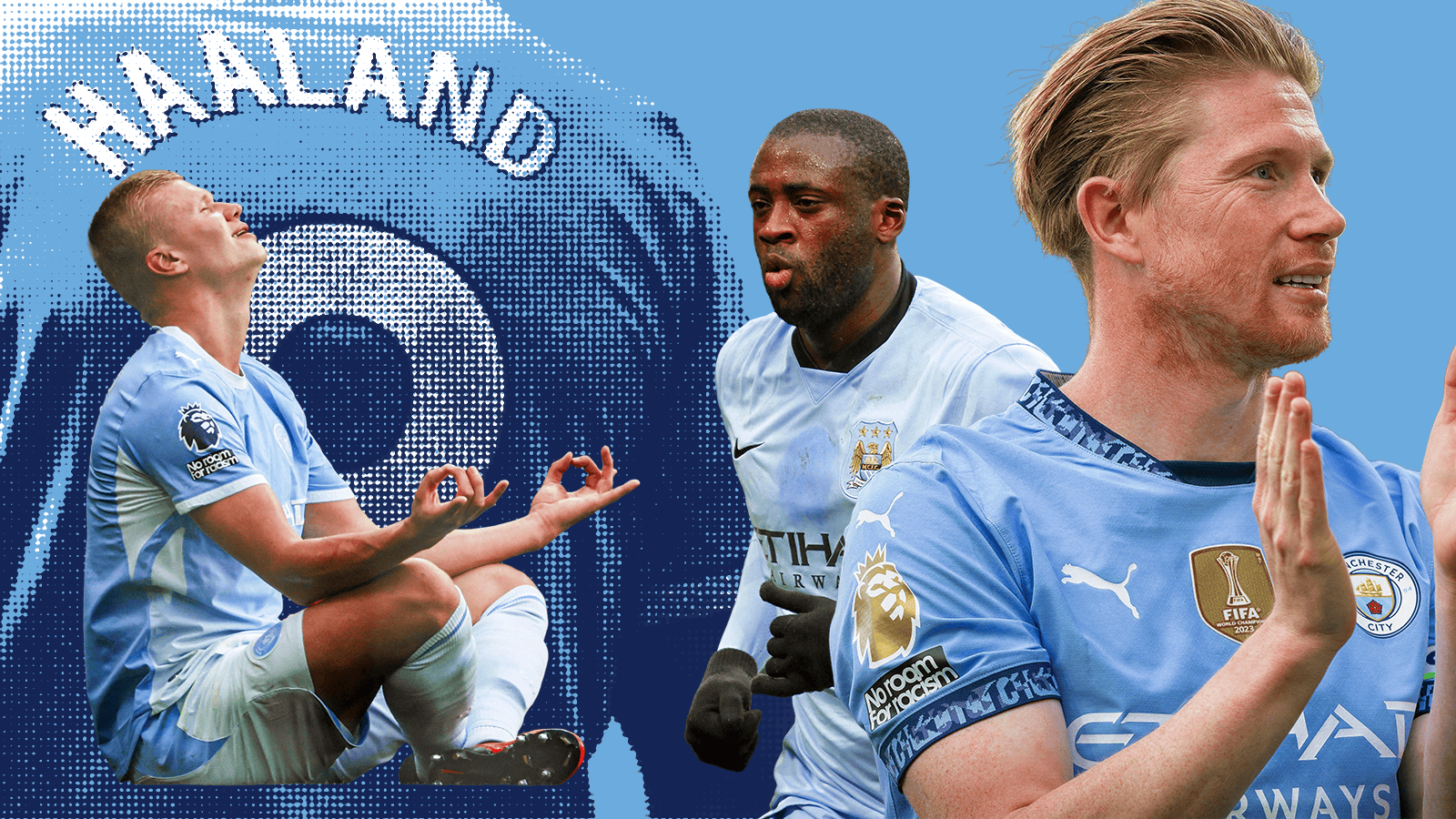
Erling Haaland exited the pitch in the 82nd minute of Norway’s match against Senegal on June 23, 2026. The striker went down clutching his right hamstring after a vertical sprint to chase a long ball from Martin Odegaard. Medical staff attended to him on the pitch for nearly three full minutes.
He didn't return to the game. After the final whistle, footage showed Haaland walking toward the dressing room with a noticeable limp, avoiding placing full weight on his right leg. The team doctors immediately applied ice to the area as he reached the tunnel.
Timeline and diagnostic reality
Norway manager Ståle Solbakken confirmed in the post-match briefing that Haaland will undergo an MRI scan on the morning of June 24. While the team remains hopeful that the substitution was purely precautionary to prevent deeper tearing, the history of his lower-body issues complicates the recovery outlook.
If the scan shows a grade one strain, he is looking at a minimum recovery window of 10 to 14 days. A grade two tear would extend that absence to at least six weeks of physical therapy and strength re-integration. Given the current point in the calendar, any significant time lost forces the national setup to rethink their tactical approach for upcoming qualifiers.
The strategic cascade
Losing Haaland for any period ripples through Norway’s offensive planning. Without his presence in the final third, the team lacks a direct target to occupy center-backs, which forces Alexander Sørloth or Jørgen Strand Larsen into roles that don't match their playstyles. This shift reduces Norway's ability to transition quickly—a core component of their current system.
The impact goes beyond the national squad. Manchester City’s medical department is likely already in communication with their Norwegian counterparts to ensure the proper data transfer occurs. City will prioritize the longevity of their lead striker over immediate international utility, especially given his high-speed, explosive playing style.
Historical context and risk
Hamstring fatigue has been a recurring theme in Haaland’s career since his move to the Premier League. His reliance on high-velocity sprints puts significant load on the posterior chain. When these muscle groups fail, it is usually a symptom of fixture congestion rather than a contact-based impact.
Data analysts have noted a pattern in his past performances where high-sprint distances consistently correlate with fatigue-related muscular complaints. This follows the trend of elite strikers playing unsustainable match counts across club and country schedules. The modern pitch demands more from forwards, yet their bodies aren't evolving to match the frequency of the games.
Critical clinical observation
The coaching staff must address the timing of the substitution. Haaland appeared visibly fatigued as early as the 70-minute mark. Leaving him on for an additional 12 minutes of competitive intensity, specifically when chasing a lead, appears as a tactical oversight by the match management team.
Waiting for a player to signal for a change often incurs damage that has already manifested. As Sky Sports confirmed, the goal from Sarr in the closing stages forced Norway to stretch the pitch, creating the exact high-intensity sprint scenario that preceded the injury. Decisions like these underline the disconnect between win-now management and long-term player health.
Read Next
- Erling Haaland is making the World Cup look like a Sunday kick-around
- Norway is actually playing real football and the world isn't ready
- Jeremy Doku childbirth saga highlights modern player welfare struggles
- Mbappe is leading the charge but the storms are testing France
- 🇳🇴 Norway World Cup 2026 — Can Haaland Lead the Vikings?
- 🇸🇳 Senegal World Cup 2026 — Lions of Teranga Hub