The Oslo scare
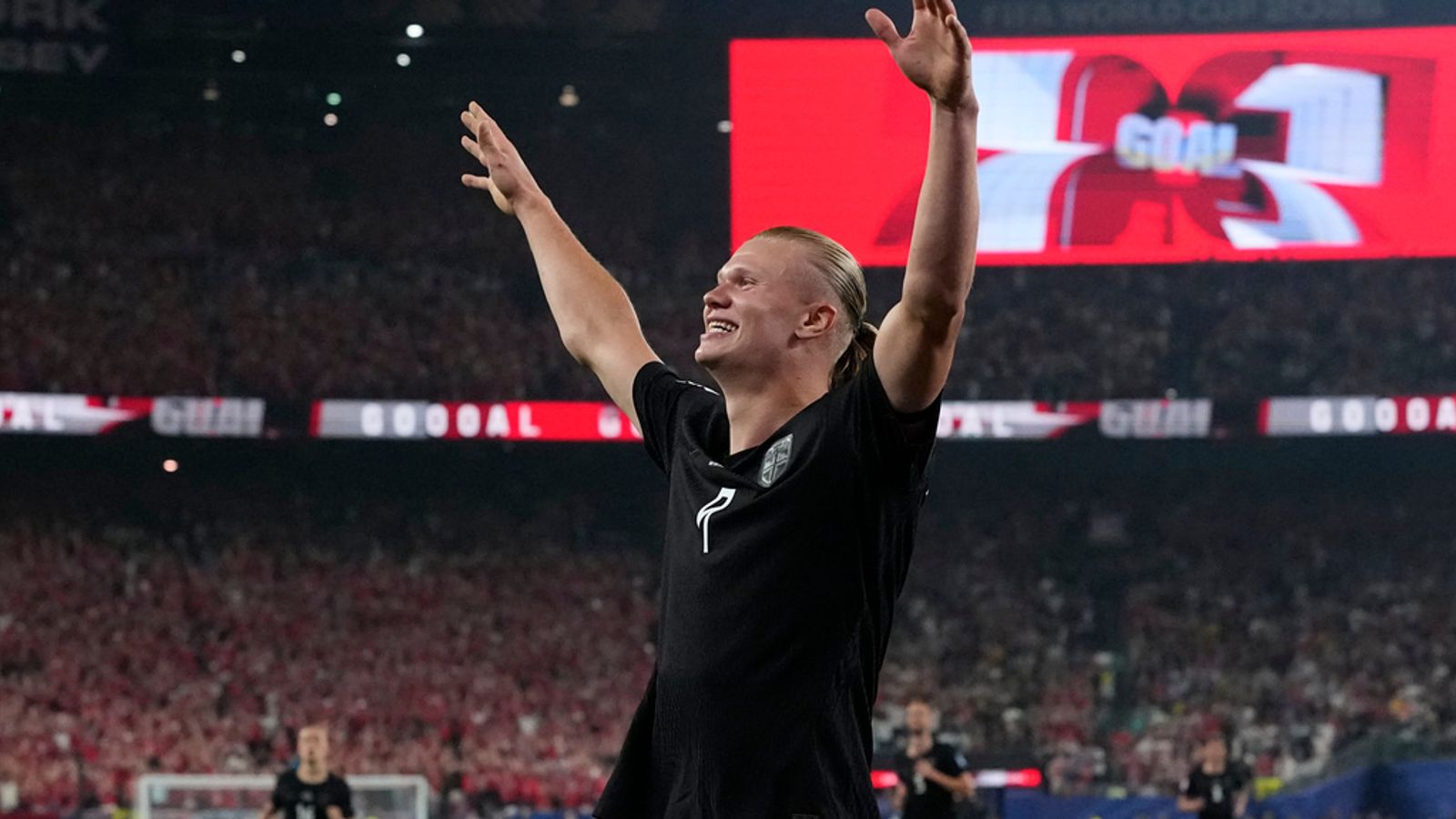
Erling Haaland exited the pitch in the 82nd minute of Norway’s match against Senegal on June 23, 2026. The striker went down clutching his right hamstring after a vertical sprint to chase a long ball from Martin Odegaard. Medical staff attended to him on the pitch for nearly three full minutes.
He didn't return to the game. After the final whistle, the striker walked gingerly toward the tunnel, eschewing the team’s traditional post-match lap of honor. The medical team opted for a precautionary assessment rather than immediate heavy treatment, but the visual of him holding his upper thigh remained the primary talking point in the mixed zone.
The injury specifics
Norway secured their knockout stage berth with a 1-0 victory, but the medical staff was non-committal regarding the severity of the strain. Hamstring issues for sprinters of Haaland’s frame represent a recurring vulnerability. His explosive acceleration puts immense torque on the posterior chain, a factor that has historically led to grade one or grade two tears in similar high-output attackers.
Manager Stale Solbakken confirmed that the staff would monitor his output over the next 48 hours. Scans are scheduled for tomorrow morning to rule out a muscle tear. If the damage is localized to a cramp or minor fatigue, he could potentially return for the Round of 16 match. However, any structural involvement would likely sideline him for a minimum of 10 to 14 days.
Historical context and risk
Haaland’s playing style relies on frequent, high-intensity sprints. This strain mirrors the issues he faced during his 2021-2022 campaign where repeated muscular setbacks hindered his availability. Elite performance teams categorize these injuries as workload-related, often stemming from congested schedules rather than acute trauma.
Critics point to the lack of managed minutes during the group stages. Despite Norway’s deep position, Haaland played over 250 minutes in just nine days. Experts often emphasize that a player’s capacity to recover diminishes as tournament fatigue sets in. Playing him for 82 minutes in a match where Norway already controlled the pace was a tactical gamble that now appears to have backfired.
Strategy and group impact
The strategic implications for Norway’s knockout run are severe. Without Haaland’s vertical threat, the team loses their primary target man and their most clinical outlet. The tactical setup shifts from aggressive direct play to a more methodical possession-based game, which doesn't fit the current personnel configuration as effectively.
Competitors monitoring the situation are already adjusting their defensive blocks. Scouts from opposing knockout teams have reportedly noted the dip in Norway's press efficiency during the final ten minutes after the substitute came on. The absence of a player who commands two defenders at all times allows opponents to push their own defensive line higher up the pitch.
Industry consequences
This situation highlights the friction between national duty and club-side health. While the recent reporting on Norway's clash with Senegal focuses on the team’s advancement, the financial impact on club associations remains a secondary topic of debate. Clubs pay premiums for athletes who are essentially being red-lined during mid-year tournaments.
If the injury is confirmed as a grade two tear, Haaland faces a rehabilitation period that could influence his availability for pre-season training. The pressure to push through discomfort for national glory often forces players to ignore early-warning signs. It creates a domino effect on the player's market value and their longevity over a 60-game season.
The recovery process will be monitored by an external group of independent physiotherapists as part of a standard 2026 tournament transparency initiative. We are waiting on the results of the imaging to move from speculation into a confirmed recovery schedule. The training ground in Oslo will be a restricted area for the next two days as the team prepares for their next opponent.
Summary of prognosis
If clear, Haaland will likely be eased into light training by June 26. He would be listed as questionable for the mid-week fixture. A diagnosis of a minor tear would effectively end his tournament, shifting the focus to a six-week recovery period.
The drop-off from Haaland to the bench options is statistical reality rather than opinion. Norway’s success in this tournament was built on a high-conversion striker performance. Losing him now exposes tactical flaws in a squad that has relied heavily on individual brilliance rather than collective interplay. Watching the next 48 hours will be critical for the national federation.
Read Next
- Argentina and Austria: The tactical fallout from that Messi record
- Erling Haaland's hamstring scare after Norway's draw with Senegal
- Top 10: The defining moments of the 2026 World Cup group stage
- Top 10: Defining Football Moments of the 2026 International Windows
- 🇳🇴 Norway World Cup 2026 — Can Haaland Lead the Vikings?