Tactical reshuffle required
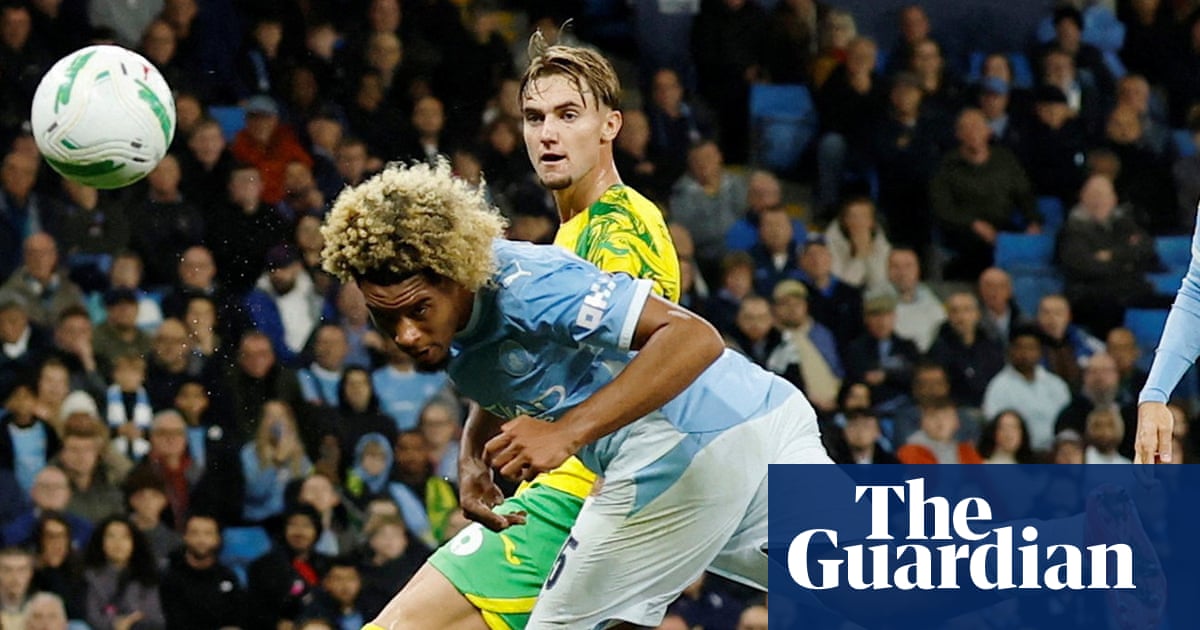
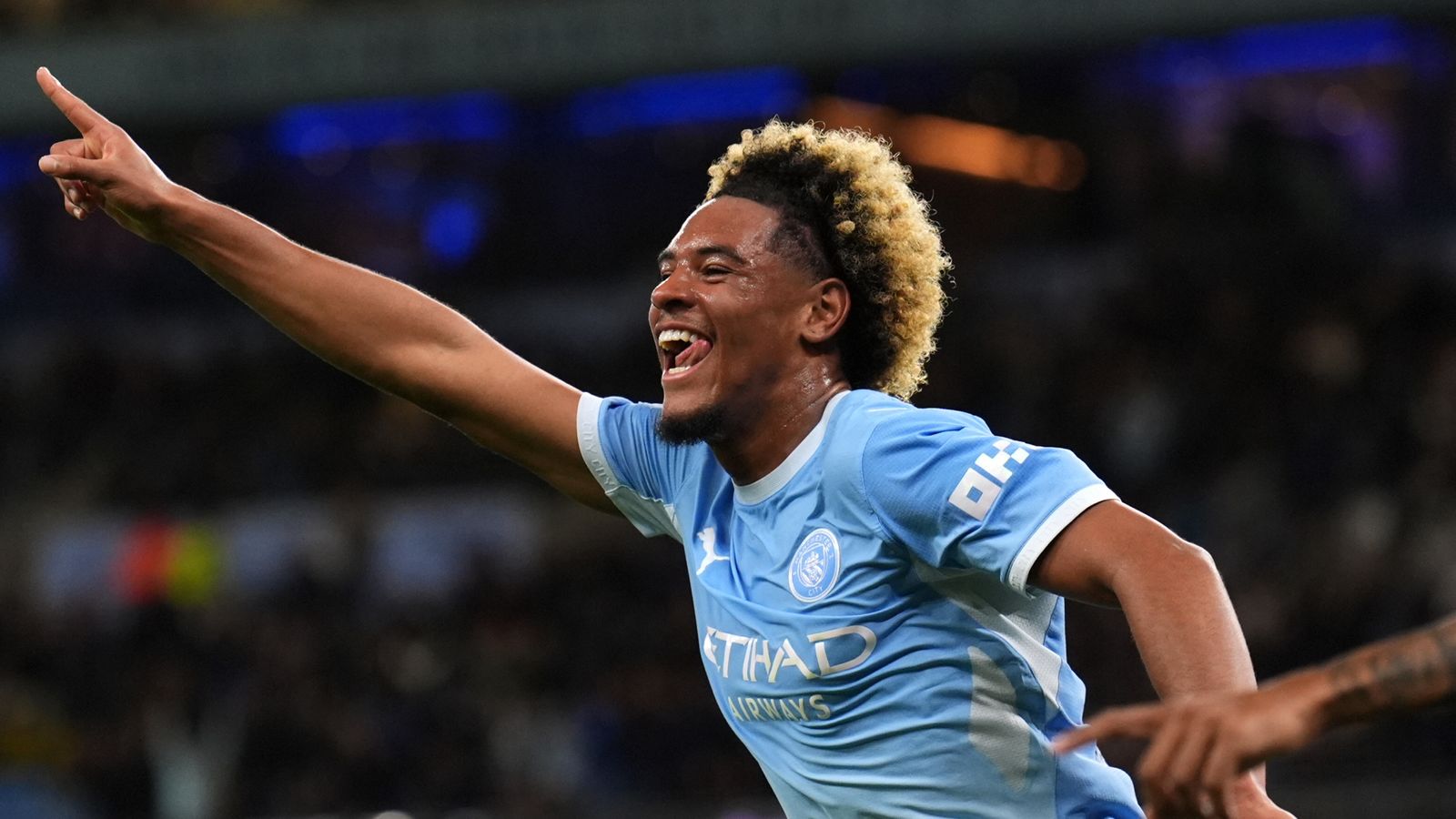
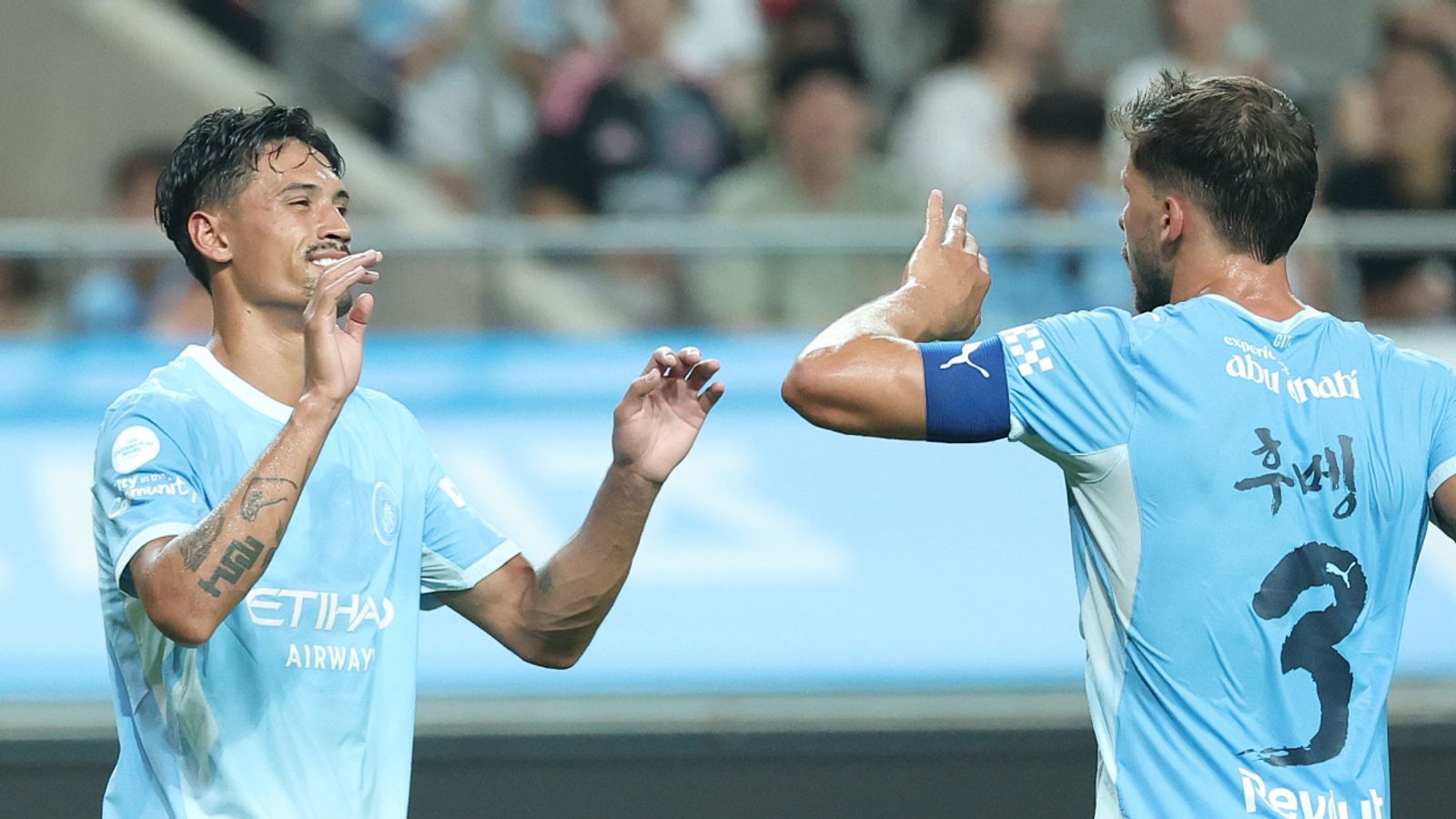
Manchester City manager Enzo Maresca faces an immediate roster dilemma following the club's 3-1 victory over the K-League All-Stars in Seoul. While the performance of Tijjani Reijnders and Antoine Semenyo provided an offensive spark, the match left the squad thinner in the backline.
Technical staff are currently monitoring defensive personnel who appeared to struggle with the humidity and pace of the exhibition. Any lingering soft-tissue issues this early in the preseason create a cascading effect on the starting rotation for the remainder of the tour.
The Maresca philosophy under pressure
Maresca implemented a high-pressing tactical set-up that relies heavily on fullback mobility. This scheme demands peak cardiovascular output from day one. If the primary rotation players aren't ready, the defensive transition becomes vulnerable to rapid counter-attacks.
As Sky Sports reported, the offensive output was crisp, but the defensive structure showed cracks against league-level speed. The coaching staff must decide whether to throttle back the intensity or risk further attrition before the competitive season begins.
Historical context and risks
Preseason tours in East Asia have a history of producing heavy legs and muscle fatigue. Managers often treat these matches as opportunities to test fitness, but the reality of travel and climate shifts frequently leads to precautionary benching.
The current concern is not necessarily a major structural tear but rather the accumulation of micro-traumas. Coaches often push players through these sessions to simulate high-intensity match conditions. However, the data rarely supports this approach in August. Over-exertion now often translates to a sluggish opening month of league play.
Strategic implications
Maresca now has to balance the need for tactical integration with player safety. If he forces a rotation that isn't fully conditioned for his specific high-press requirements, he risks losing key personnel for the first three weeks of the league campaign.
The reliance on Reijnders and Semenyo shows a clear preference for creative freedom in the final third. Yet, if the defense behind them is compromised, that freedom becomes a liability. The tactical trade-off is clear: sacrifice defensive stability for offensive flair or risk burning out the roster by late September.
Analysis of personnel
The squad's reliance on specific depth pieces remains a major flaw. If the first-teamers required to maintain the press are sidelined, the backups are not currently prepared to execute the rotation accurately. This is a recurring issue in high-possession systems.
Maresca must prove he can adapt his rigid structural demands to the reality of his available squad. Failing to adjust could see the team drop points early. History shows that managers who refuse to rotate in pre-season usually find themselves managing significant medical lists by the winter break.
The medical team is expected to release a formal assessment once the squad arrives at their next destination. Until then, coaching staff are likely to keep drills limited to low-impact tactical walkthroughs. Expect a heavily rotated XI in the next friendly as a result of these emerging physical concerns.
The management of these minor setbacks will define the opening weeks of the Maresca era. Keeping the roster healthy is just as important as perfecting the pass-and-move patterns on display in Seoul. If they cannot manage the load, the tactical advantages gained against the K-League All-Stars will be nullified by late-autumn fatigue.