Tactical fragility in the Seoul heat
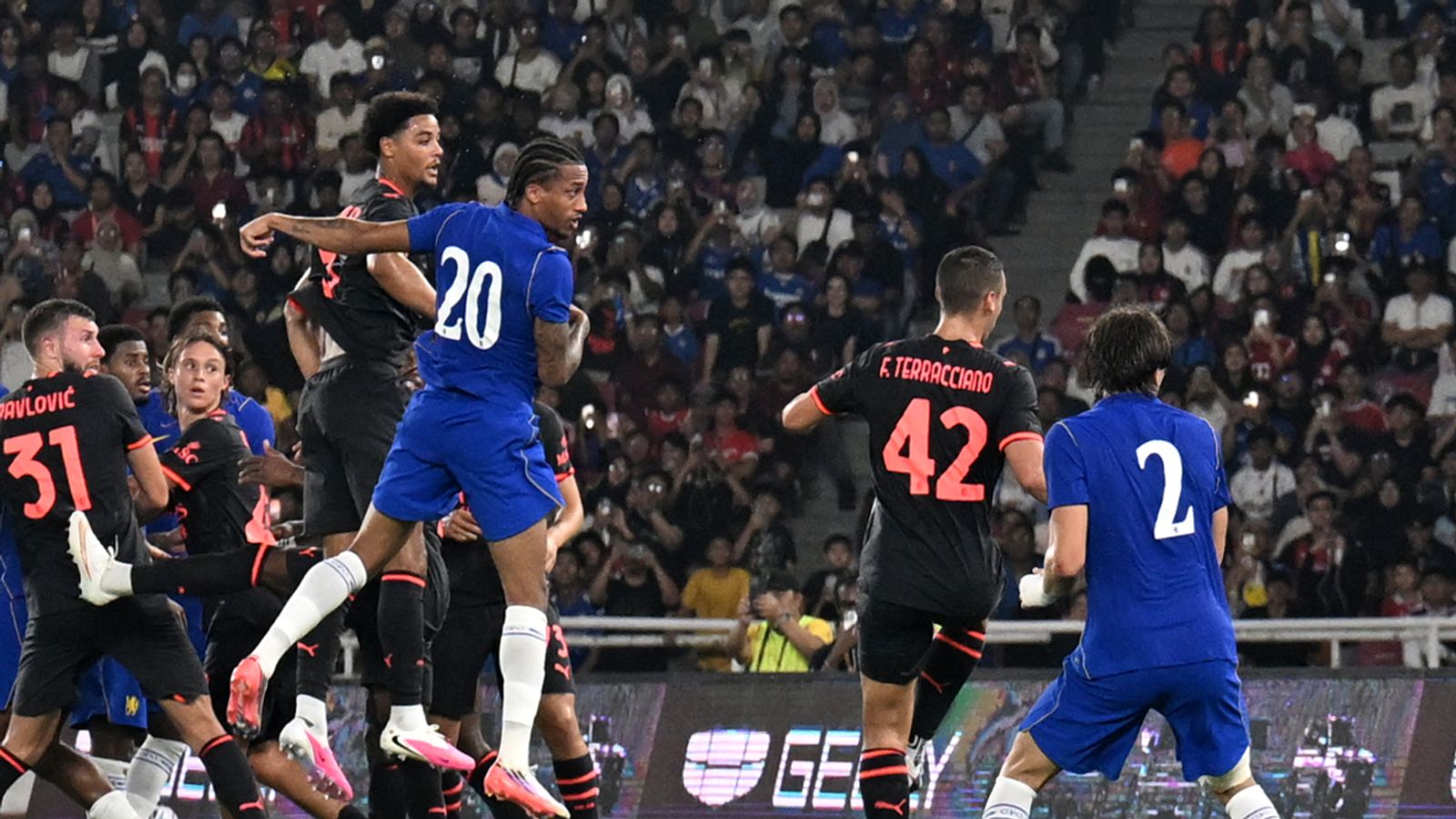
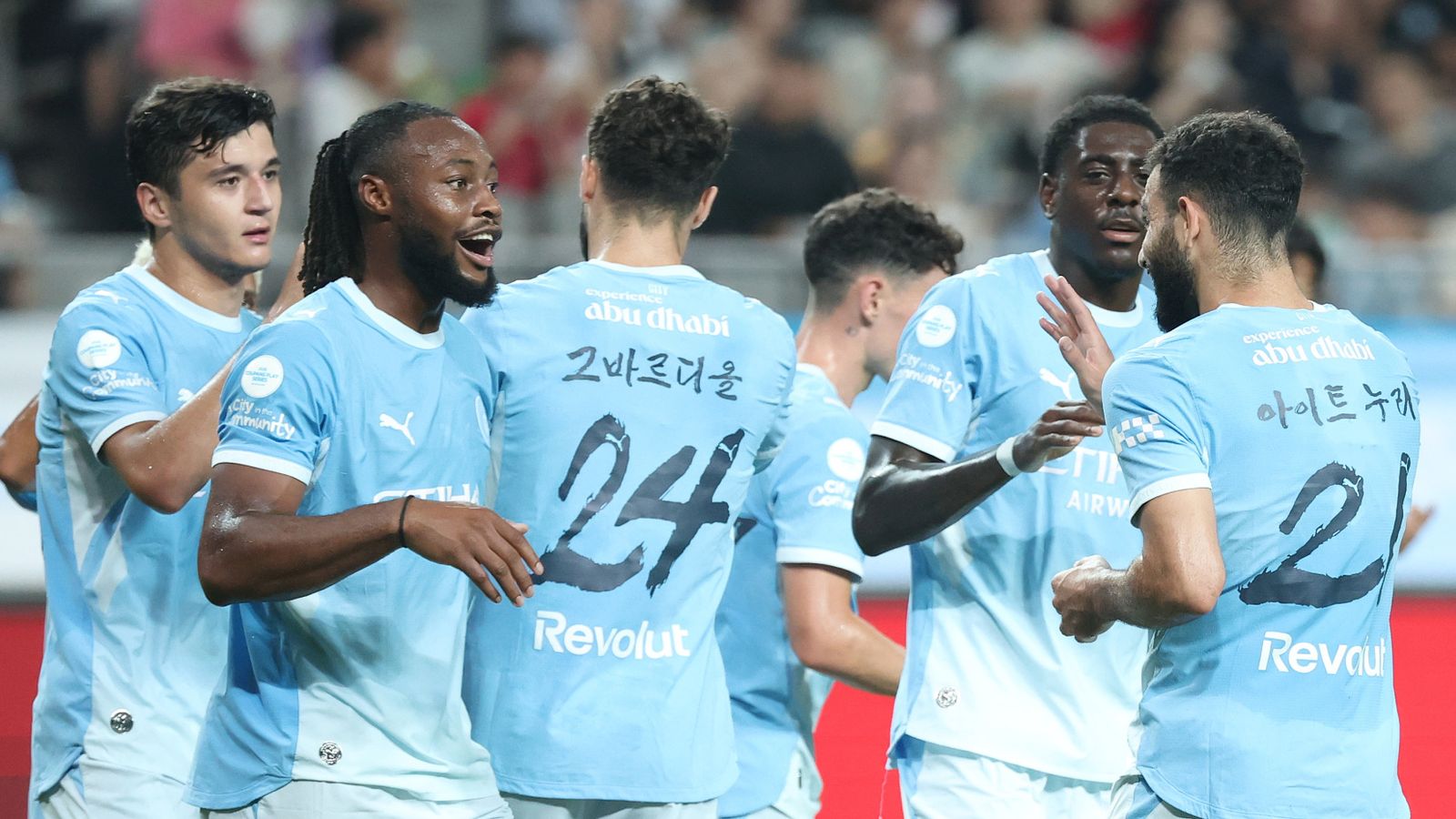
Manchester City’s pre-season tour of South Korea has provided a surprising look at their defensive organization. During the recent friendly against the K-League All Stars, the side conceded high-quality chances at an alarming rate. The opposition struck the woodwork at the 42nd minute, exposing a lack of cover for the high line.
Pep Guardiola utilized a rotated backline to manage workload, but the structural disconnect was evident. Possession statistics during the first half hovered at 68%, yet the team allowed three separate counter-attacks that bypassed the midfield entirely. This high-possession, high-risk profile typically relies on elite transition recovery speed. With key personnel absent, that buffer disappeared.
The cost of rotational defensive pivots
Integrating youth prospects alongside established starters requires a level of tactical cohesion that was visibly missing in Seoul. In this Sky Sports live blog of the match, the recurring theme was the K-League’s ability to find space between the center-backs. City allowed 5 shots on target within the first hour of play.
For a team accustomed to limiting opponents to fewer than 8 total shots per 90 minutes in competitive fixtures, these figures are problematic. Guardiola’s choice to keep the defensive line high while missing his primary defensive midfielders resulted in a 2.1 expected goals against metric during the 90 minutes. That number is significantly higher than their 2025/26 season average.
Why the transition game is struggling
The core issue rests on ball retention in the final third. When City loses possession, their current setup lacks the immediate press efficiency seen in their title-winning campaigns. Opponents are finding 15-meter gaps in transition before the defensive line can reset.
The reliance on individual recovery runs rather than collective structure is a concerning regression. While pre-season results are historically irrelevant to the final table, the defensive patterns carry weight. If this lack of discipline persists, the team will be susceptible to quick transitions from lower-table sides that prioritize verticality.
Managers often use these tours to experiment, but the current defensive rotation is yielding diminishing returns. Guardiola must decide if the experiment is worth the disruption to the team’s rhythm. A 76% pass completion rate in the opposition half—well below their usual 84%—highlights a lack of sharpness that bleeds into their defensive security.