
Maresca's City blueprint begins to take shape despite Seoul defensive wobbles
Tactical mechanics in the Seoul humidity
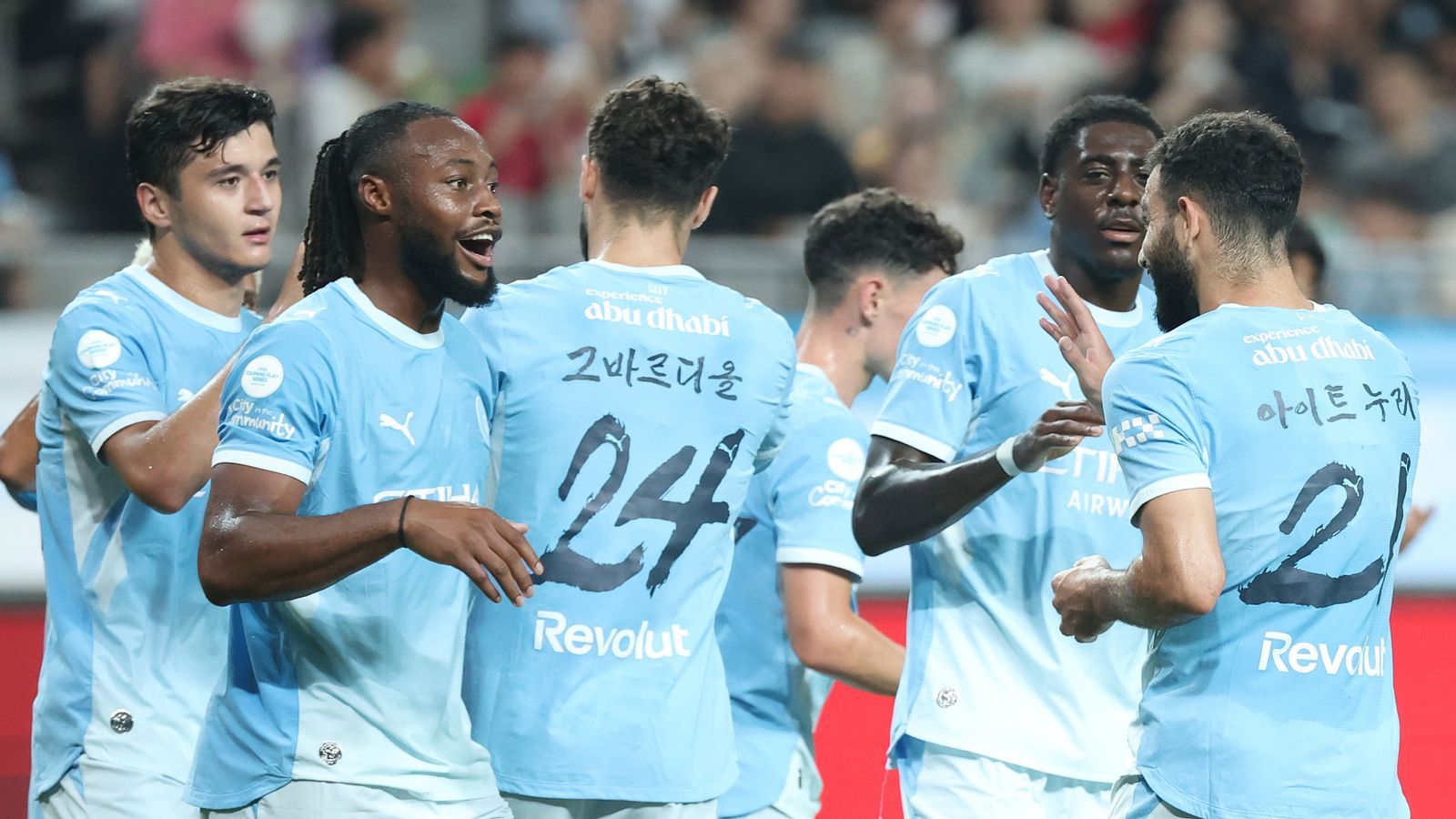
Pre-season friendlies can be deceptive, but initial trends in systemic structure usually reveal a manager's underlying priorities. Enzo Maresca’s first victory on the Manchester City bench, a 3-1 result over the K-League All Stars, provided an intriguing look into how his tactical concepts differ from the late-stage Guardiola setup.
The build-up phase immediately stood out. During early sequence construction, Maresca utilized a strict 3-2-4-1 shape on the ball, overloading central zones to force the K-League low block into tight horizontal compactness. City dominated possession across the 90 minutes, recording a 71% possession share and completing 684 passes at a 91% accuracy rate.
Yet, the structural high line remained vulnerable during negative transitions. When possession was turned over in the middle third, the space behind the advancing fullbacks allowed the K-League counter-attack to trigger rapid vertical passes. The opposition's lone strike in the 38th minute came directly from a wide turnover, exposing a 30-yard gap between the central defenders and the tracking central midfielders.
Midfield spacing and defensive transition triggers
Maresca's double pivot focused heavily on progressive line-breaking passes into the half-spaces. City created 14 total chances, generating an xG of 2.41 while restricting the hosts to just 4 total shots across the entire match. The attacking mechanics functioned cleanly, particularly when operating through the right channel to break down the host's defensive lines.
However, pressing intensity dropped visibly after the 60th minute when rotation changes disrupted spacing coordination. The secondary pressing line lacked the rapid recovery speed needed to pin opponents into their defensive third, allowing three clear long-range transition opportunities for the K-League outfit late in the second half.
Fixing these transition mechanics will be Maresca’s immediate challenge before competitive fixtures begin. Controlling 70% of the ball means little if central rest-defense structures remain susceptible to straight diagonal passes over the top. The offensive foundation is established, but the defensive balance remains a work in progress.
Quiet Genius: Bob Paisley, British Football's Greatest Manager
A deep dive into the mastermind behind the golden era of English football.
Frequently Asked Questions
What build-up formation did Enzo Maresca use in his first Manchester City match?
How did Manchester City perform in possession during Maresca's first game?
Why did Manchester City struggle with defensive transitions in Seoul?
How did the K-League All Stars score against Manchester City?
What is Enzo Maresca's main tactical challenge before competitive fixtures begin?
More Coverage

Man United beat Roma 3-2 but Old Trafford is completely boiling over
2 hours ago
United beat Roma, but Carrick's tactical mess is far from fixed
2 hours ago
Manchester United chasing Rayan Ait-Nouri makes zero sense
3 hours ago
Everton might actually be a much better team without Jack Grealish
5 hours ago
Arsenal are rushing to sign Junior Kroupi before PSG take control
14 hours ago
Declan Rice is running the Premier League and nobody can touch him
17 hours agoMore Analysis

Enzo Maresca's Man City holiday gamble against Brighton could backfire
6 days, 14 hours ago
Top 10: Top Moments
1 week, 4 days ago
Antoine Semenyo is out for two months and Man City have a massive problem
1 week, 4 days ago
Man City have been found guilty and the excuses are running out fast
1 week, 5 days ago
Phil Foden's hat-trick was brilliant, but he still has a long way to go
1 week, 5 days ago