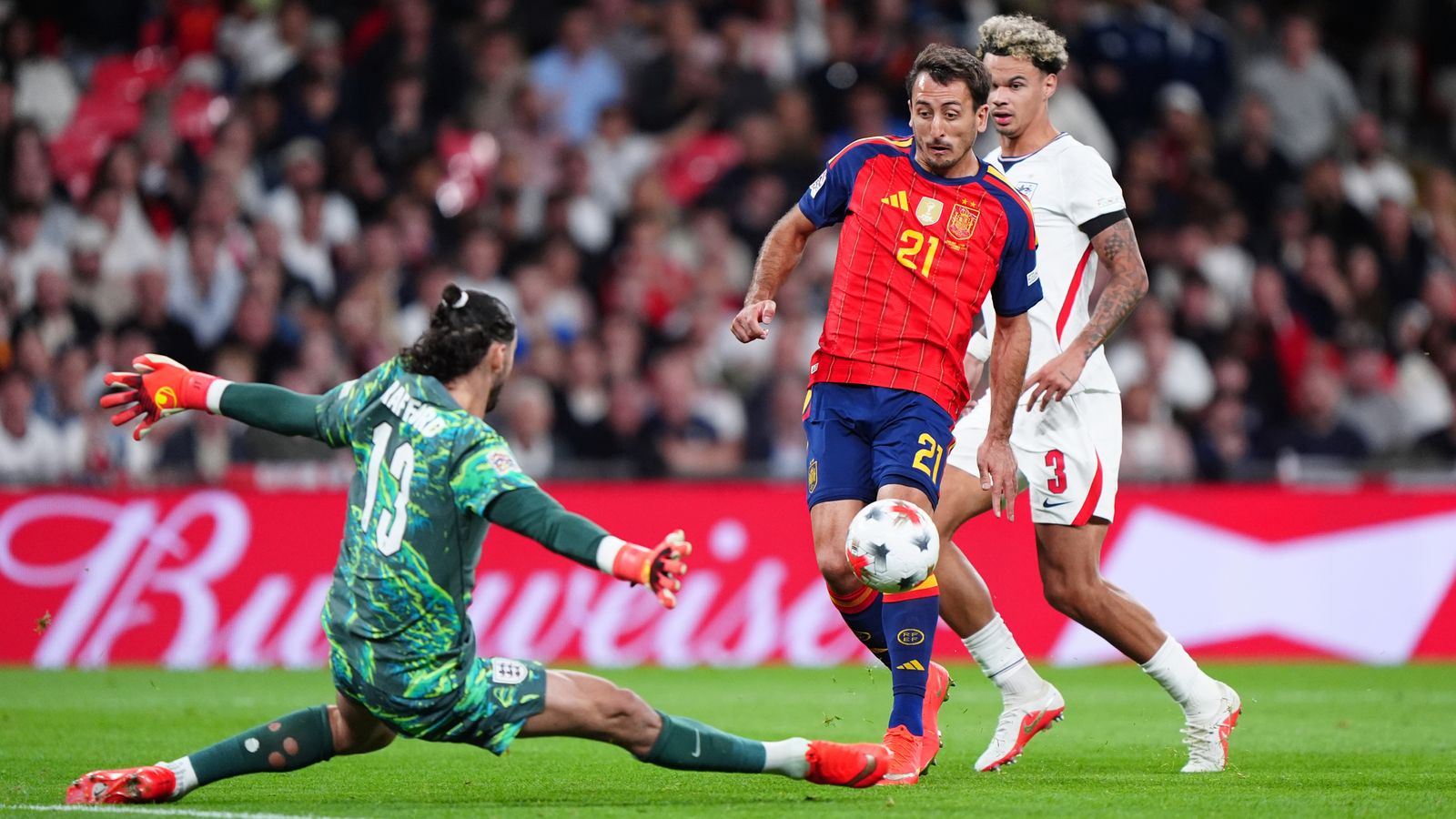
The moment the final turned
The World Cup final between Argentina and Spain in New York/New Jersey hit a boiling point in the dying moments of regulation. Enzo Fernandez was sent off following a challenge that officials deemed a horror tackle. The dismissal left Argentina with ten men heading into the extra-time period.
The impact was immediate. With Fernandez removed from the engine room, Argentina lost the tactical shape that had kept the match scoreless through ninety minutes. Spain moved to take advantage of the numerical superiority almost instantly. Ferran Torres broke the deadlock by finding the back of the net early in the extra period, shifting the momentum in favor of the European champions.
Refereeing concerns surface
The officiating during this tournament has faced rigorous scrutiny. Former Arsenal striker Ian Wright did not hold back in his assessment of the standard of refereeing directed at the reigning world champions. As reported by FourFourTwo, Wright suggested that Argentina has been the beneficiary of lenient calls throughout their path to the final.
This sentiment follows a track record of controversial decisions that have invited criticism from pundits and fans alike. While Argentina arrived in New Jersey with the expectation of repeating their title, the officiating record is now a primary narrative. Skeptics point to the perceived protection of high-profile players as a factor that may have skewed earlier games. However, in this instance, there was no leniency for the tackle that led to the red card.
Strategic damage and fallout
The loss of Fernandez forces a total reconstruction of Argentina's midfield late in the game. With the team already fatigued, playing down a man against a disciplined Spanish side is an uphill battle. The decision to go into such a dangerous tackle will be remembered as the defining mistake of the night regardless of the final scoreboard.
Tactically, the absence of Fernandez removes Argentina's primary outlet for transition play. Spain has now successfully narrowed the pitch and pinned the remaining Argentine defenders deep. According to BBC Sport trackers, the pressure exerted by Torres and the Spanish wide players has proven too much for the depleted side.
Historical precedent
Red cards in World Cup finals are rarely just individual errors. They serve as turning points that define the legacy of a match. History shows that when a side loses a key midfielder in extra time, the result is usually irreversible. We saw the defensive collapse begin shortly after the restart as the spatial gaps widened.
The fallout from this match goes beyond this singular trophy. Argentina faces a question regarding the discipline of their youngest stars on the biggest stage. While the intensity of the matchup was expected, the lack of control leading to the exit of a starter is a clear management oversight. As noted in the FourFourTwo analysis, the tackle itself was indefensible in the context of modern standards.
The immediate task for Argentina's remaining squad is to prevent a total collapse. With Spain moving the ball with clinical precision, the remaining 20 minutes of the match look bleak. Management will have to answer for this inability to maintain discipline during what was meant to be their crowning achievement.
Read Next
- Enzo Fernandez World Cup final injury status and suspension fallout
- World Cup Final focus remains on tactics, not mid-match theater
- Ferran Torres just exposed Argentina’s defensive blind spot
- Argentina vs Spain is the soccer heavyweight fight we deserve
- 🏆 World Cup 2026 — Full Coverage Hub
- 🇦🇷 Argentina World Cup 2026 — Defending Champions Hub
- 🏆 World Cup 2026 Final — MetLife Stadium Hub