The Illusion of the Azteca
The Mexico City Stadium was a wall of green noise on Sunday afternoon. For the first fifty minutes of England's round of 16 tie against Mexico, the team looked completely lost in it. The English build-up was slow, predictable, and structurally detached from the forward line.
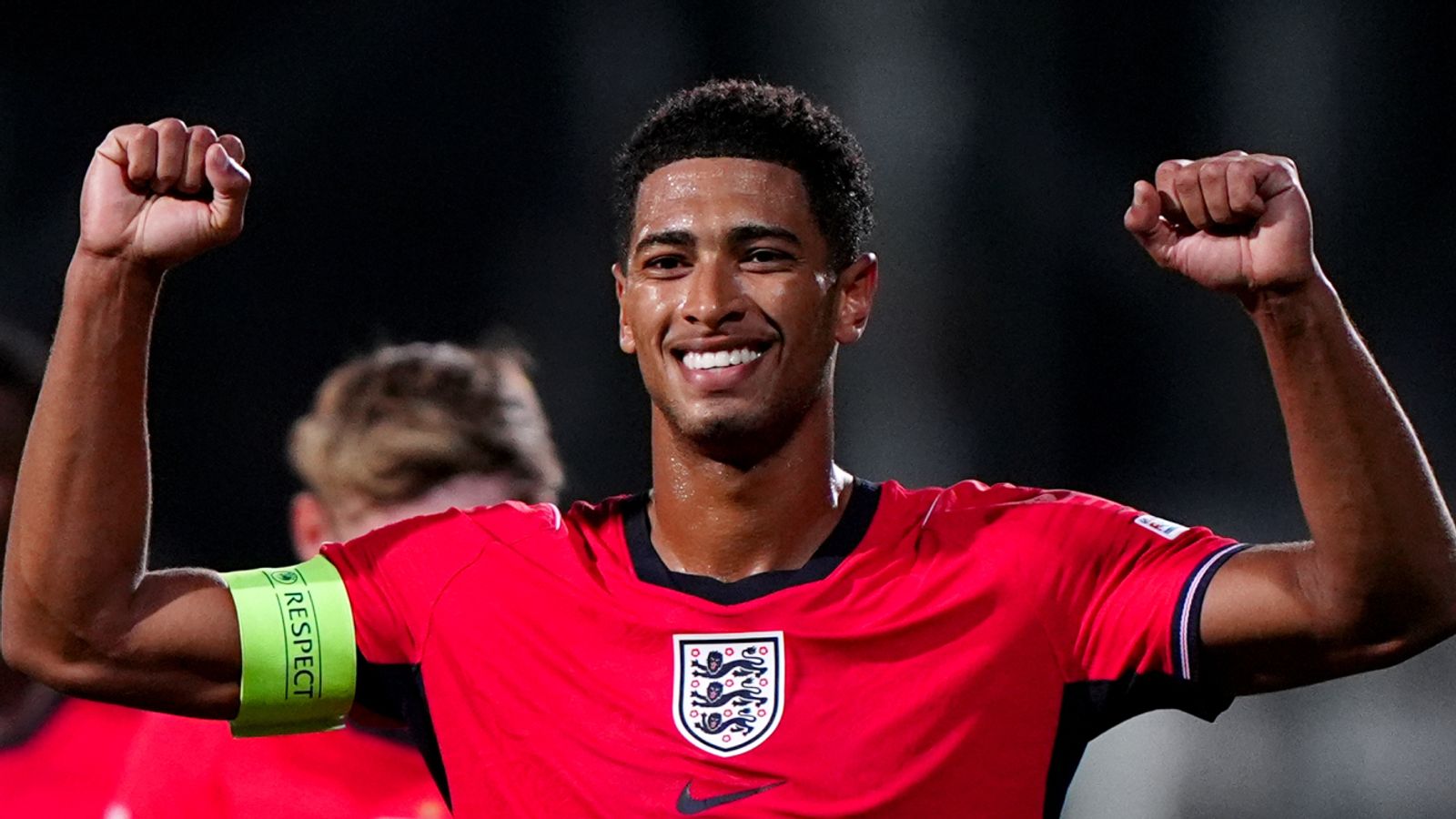
Then, Jude Bellingham changed the match entirely. His quickfire double stunned the home crowd and pushed England forward when they looked most vulnerable.
As the BBC coverage showed, Bellingham scored twice in just 98 seconds to put England in command. Yet, this sudden burst of brilliance masks deeper structural issues that must be addressed. Winning matches in tournament football requires control, not just moments of individual inspiration.
England ended the match with a 2-0 victory, but the performance raised more questions than it answered. Ahead of the upcoming quarter-final, the coaching staff faces a massive tactical dilemma. They cannot rely on individual magic to bail them out against elite European opposition in the next round.
The Structural Breakdown
The Anatomy of Ninety-Eight Seconds
Let's dissect those 98 seconds of play. England's deep build-up was struggling under pressure, with Mexico's front two cutting off the passing lanes to England's double pivot. The breakthrough came from a mechanical error in Mexico's mid-block rather than English design.
Their left-sided central midfielder stepped up too early to press England's right-back, opening a passing lane directly into the right half-space. England's right winger received the ball and turned inside, drawing the attention of Mexico's left center-back. Bellingham recognized the space immediately from his advanced position.
He made a diagonal run from a deep position, slicing between the center-backs to receive the ball. His first touch took him away from the recovery defender, and his second was a low finish. The stadium had barely stopped whistling when the second goal arrived.
From the kickoff, Mexico attempted to build long down their right side, but England's defensive line stayed high to compress the middle third. The press forced a rushed header that fell straight to England's central midfielder. With Mexico's defensive line still transitioning upward, Bellingham saw the gap.
He burst forward, received the quick vertical pass, and finished cleanly. Those two goals in under two minutes ended the tie, but the tactical lessons were just beginning.
The Positional Disconnect in Midfield
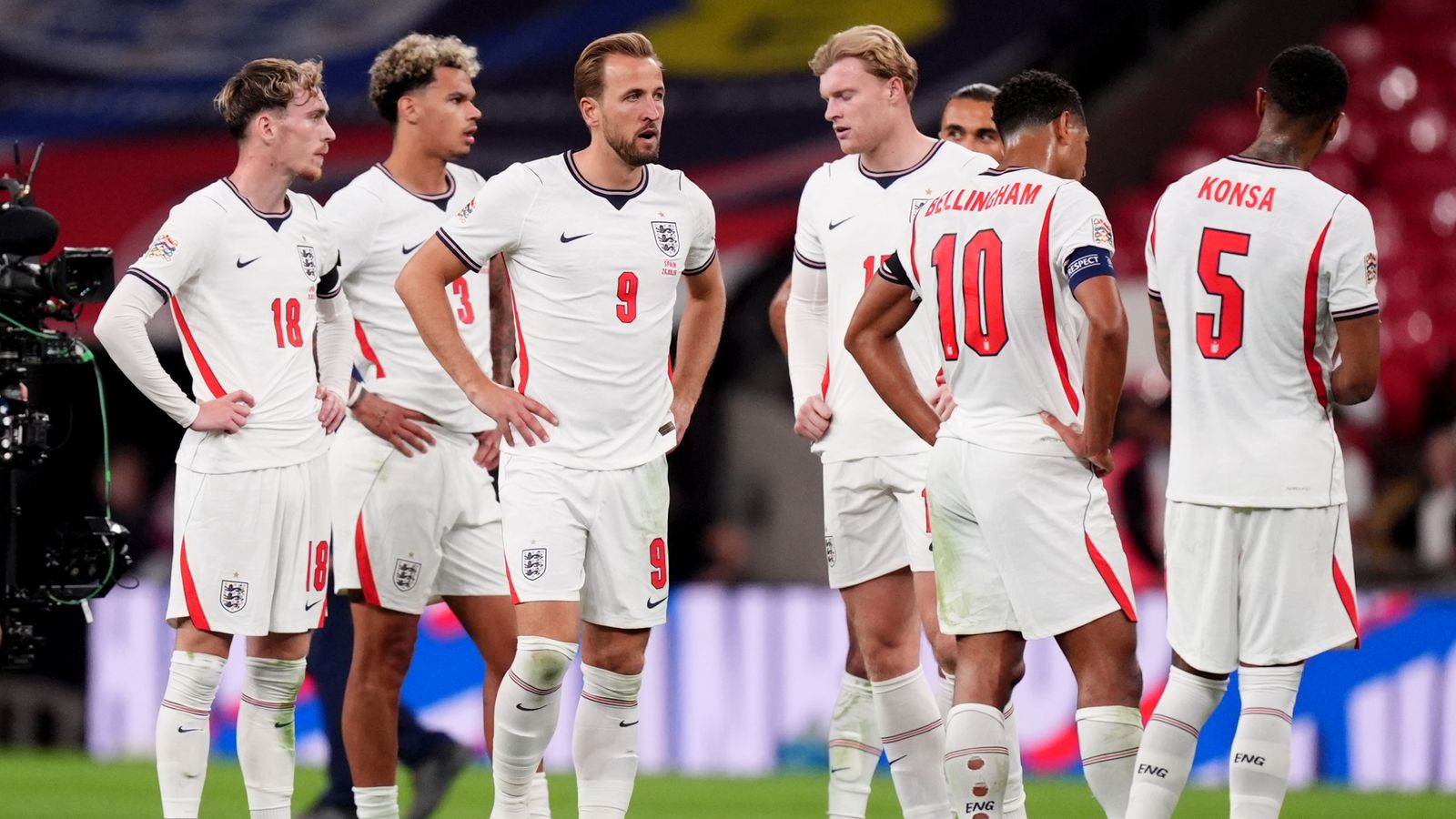
Despite the scoreline, England's overall performance was deeply flawed. For large portions of the match, the team operated in two distinct blocks. The defensive unit remained deep in a nominal 4-2-3-1, while the attacking front four stayed high, hoping to exploit long balls.
This left a massive space in the center of the pitch. Mexico regularly found space in this zone, completing 45 passes in the middle third during the first half alone. England's double pivot was constantly overloaded and unable to progress the ball.
During the group stage, England's central midfield struggled to control the tempo of matches. The double pivot often dropped too deep, leaving a massive gap in front of the center-backs. This lack of midfield presence allows opponents to establish sustained pressure far too easily.
The distance between the defensive midfielders and Bellingham was often over 25 yards. This spacing made it impossible for England to sustain possession. They finished the match with only 64% pass completion in the final third.
Against a more disciplined side in the quarter-final, this disconnect will be fatal. An elite opponent will park their midfielders in that gap, intercepting long balls and launching immediate counter-attacks. The manager must address this gap before the next match.
Three Tactical Options for the Quarter-Final
To fix this midfield disconnect, England have three distinct options:
- Transition to a flat 4-3-3 with Bellingham as an advanced eight.
- Drop the double pivot deeper and introduce a box-to-box midfielder.
- Deploy a back three to match the opponent's midfield numbers.
Each of these options has its own drawbacks. While the flat 4-3-3 requires disciplined positional play from the wingers, dropping the pivot deeper could isolate the striker. A back three would require changing a defensive system that kept a clean sheet against Mexico.
The Upcoming Challenges
The Left-Side Predictability
Another major concern is the complete lack of balance on the left wing. Without a natural left-footed winger, England's attacks are heavily tilted to the right. During the Mexico match, 58% of England's progression occurred down the right flank.
The left-back was left isolated, with no support when overlapping. This makes England predictable. Opponents can shift their defensive block to the right, knowing England cannot switch play quickly.
When Bellingham drifts left to assist, it leaves the central zone empty. This rotation requires perfect synchronization, which this England team currently lacks. The coaching staff must decide whether to introduce a specialist left-sided player or continue with inverted forwards.
A specialist would provide width and stretch the opponent's backline. Continuing with the current setup risks clogging the central areas and making the team easy to defend against. According to the post-match tactical reports, England's left-sided attacking threat was almost non-existent outside of Bellingham's transitions.
Without structural adjustments, the left flank will remain a dead zone. The coaching staff must decide if they can afford this asymmetry at the elite level. A one-dimensional attack is easily neutralized by a world-class defense.
The Tactical Challenge of the Quarter-Final
England's upcoming opponents present a vastly different tactical profile than Mexico. While Mexico relied on emotion and high-tempo pressing, the next opponent will be far more structured. They will sit in a disciplined mid-block, deliberately denying central space.
If England's buildup remains slow, they will be choked out of the game. The center-backs must circulate the ball with fewer touches to shift the defensive block. If the buildup remains passive, Bellingham will be forced deep to collect the ball, neutralising his attacking threat.
The key battle will be in the defensive transition phases. England must prevent the opponent from exploiting the space behind their advanced fullbacks. If they do not tighten their defensive organization, their tournament will end this week.
Mexico exposed this vulnerability twice on the counter, though their poor finishing spared England. The next opponent will be ruthless in those situations. Any turnover in the middle third will lead to a direct shot on target.
The Verdict and Prediction
England enter the quarter-final as favorites, but only on paper. The individual quality in their squad is undeniable, yet the collective performance is lacking. They are a team of moments, relying on bursts of individual genius rather than tactical dominance.
This approach is high-risk. If Bellingham or his fellow attackers have an off day, England have no fallback plan. Their defensive vulnerability remains a constant threat.
However, England's knack for finding a way through difficult ties cannot be ignored. They will likely struggle for long periods of the match, but their quality will ultimately tell. Expect a tight, nervous affair with few clear chances.
England will edge it, but it will not be pretty. My prediction is a 1-0 victory for England, secured through another moment of individual quality late in the second half. They will reach the semi-finals, but the cracks are starting to show.
Read Next
- England face the ultimate tactical and altitude test against Mexico
- Mexico must ignore the influencer circus to stun Thomas Tuchel's England
- Why Carlo Ancelotti's passive tactics broke Brazil against Norway
- Why England's tactical gamble at the Azteca could end in disaster
- 🏴 England World Cup 2026 — Three Lions Hub