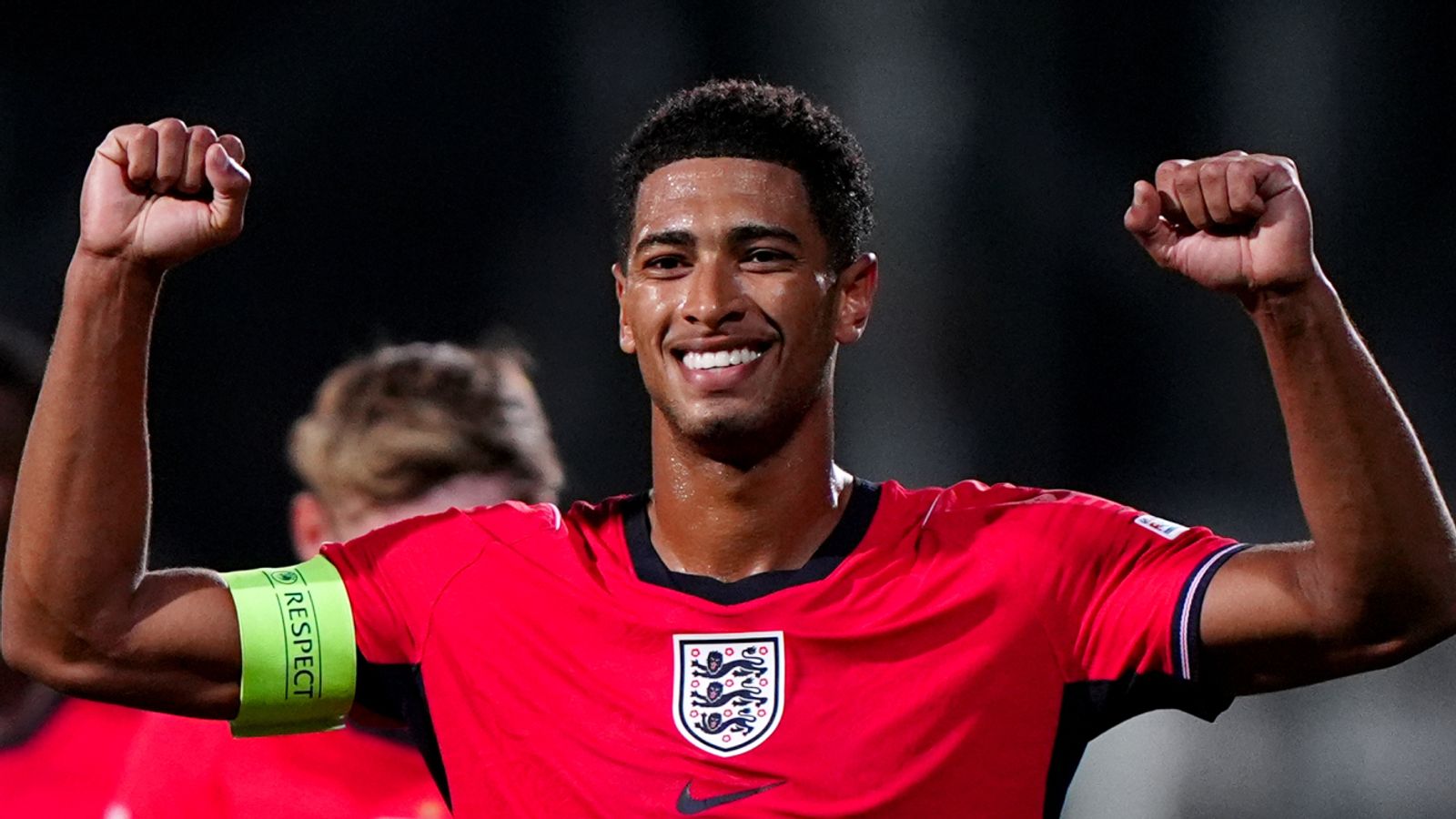
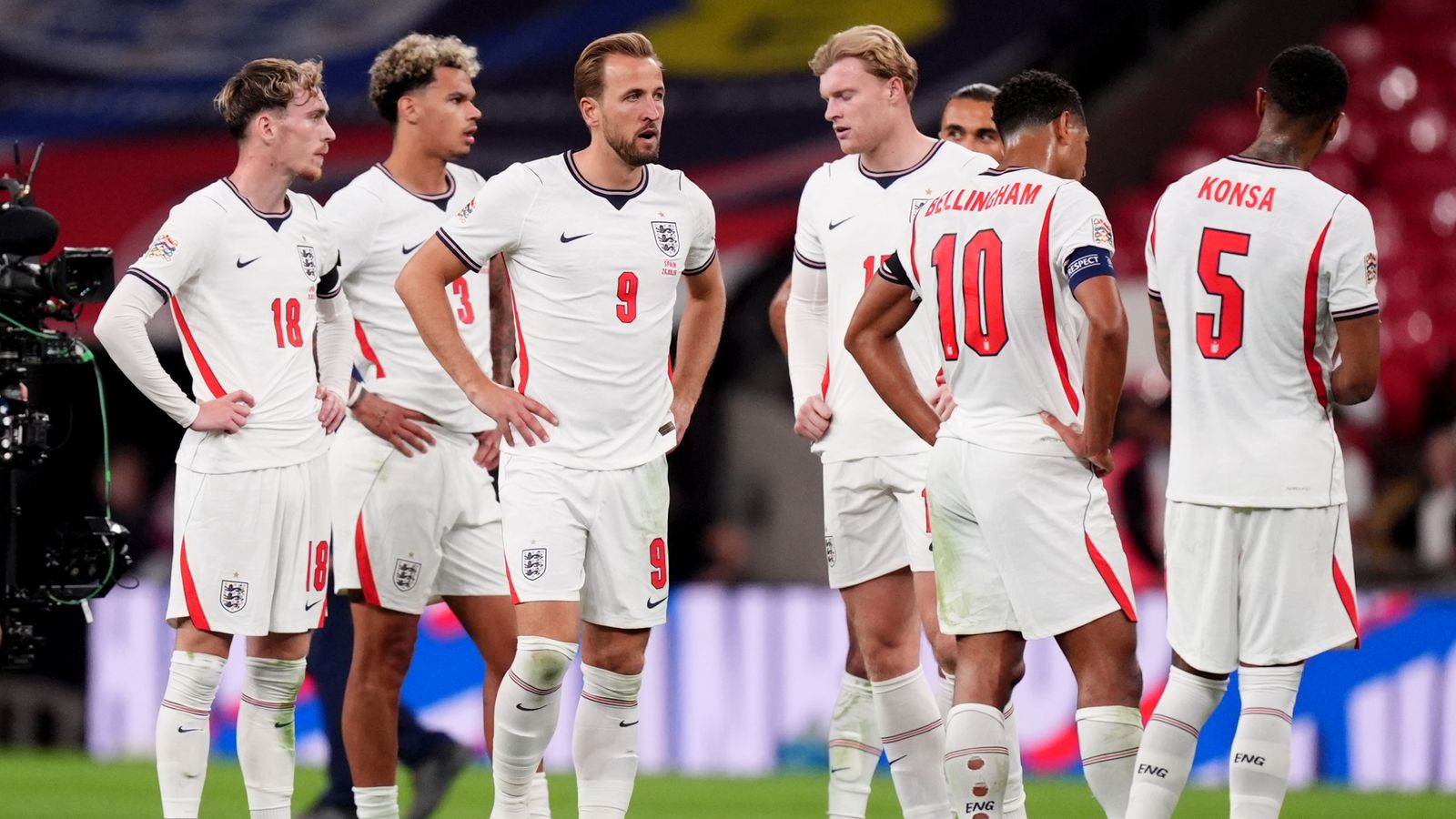
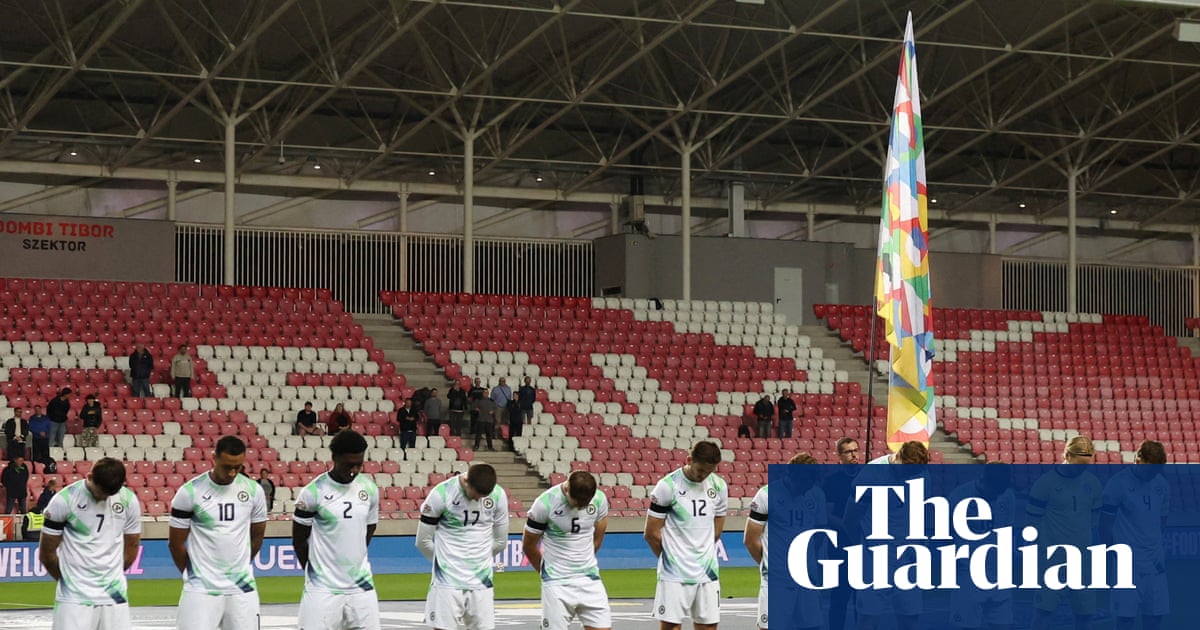
The lightning storm rolling over Mexico City has delayed kickoff at the Estadio Azteca by an hour, but the tactical tension has been building for days. Thomas Tuchel’s England face co-hosts Mexico in a World Cup Round of 16 clash that will test the structural limits of both teams. The winner moves to the quarter-finals; the loser faces immediate national post-mortem.
The altitude of 2,240 meters will play its part, but the real battle will be fought on the tactical whiteboard. Mexico enters the match having kept four consecutive clean sheets in the group stage, allowing an average of only 0.35 xG per match. England, conversely, has fluctuated between possession dominance and transition vulnerability.
Tuchel must find a way to break Aguirre's low block without leaving his center-backs isolated in wide areas. The Azteca will be a hostile green cauldron. The delayed kickoff has only heightened the stakes for this knockout fixture.
Officiating the match is Alireza Faghani, one of the most experienced match officials in world football. According to the pre-match details shared by Mirror Football's referee guide, the Australian official will take charge of this high-pressure knockout game. His management of physical duels will determine the tempo of the match.
Tuchel's High-Altitude Inverted Gamble
Tuchel has spent his tenure drilling England into a possession-heavy team that shifts shapes during build-up. In possession, England moves from a base 4-2-3-1 into a fluid 3-4-2-1 structure. The key is the inverted fullback, who joins Declan Rice in midfield.
During the group stage, Myles Lewis-Skelly excelled in this tuck-in role, helping England average 71.4% possession. This numerical advantage in the center allows Jude Bellingham and Bukayo Saka to find isolated spaces. However, it also exposes the flanks.
Aguirre will have noted how Senegal repeatedly targeted England's vacated fullback zones in the 22nd and 41st minutes of their group stage match. If England's counter-press fails to win the ball within four seconds, the center-backs are forced to defend wide channels. Against Mexico's speedy wingers, this gamble could prove fatal.
The Box Midfield and Spacing Dynamics
Tuchel’s box midfield relies on Rice and the inverting defender operating as deep distributors. This structure is designed to isolate the opposition's defensive midfielders. The distance between the units must remain compact.
In their last match, when the distance between Rice and Bellingham exceeded 15 meters, England's passing accuracy dropped to 78%. They ended up recycling the ball in harmless U-shapes around the opponent's defensive block. Aguirre's narrow midfield will look to force exactly this pattern.
Harry Kane's role is equally demanding. He must drop deep to drag Mexico’s center-backs out of position while simultaneously serving as the primary penalty-box presence. If Kane is starved of service, England's attacking threat evaporates.
Tuchel's Selection Dilemma: Palmer or Saka?
Tuchel faces a selection headache on the right flank. Bukayo Saka offers directness and defensive coverage, while Cole Palmer provides superior creative passing in tight spaces. Against Mexico's low block, Palmer's ability to find the killer pass could be preferred.
However, Saka's speed is pivotal for stretching Mexico's back four. If Tuchel opts for Palmer, England risks playing too slowly in possession, allowing Mexico to reset their shape. The decision will define England's attacking tempo in the first half.
The Wall of Mexico: Aguirre's Mid-Block and Edson's Pivot
Mexico's defensive record under Aguirre is built on structural discipline. They defend in a compact 4-1-4-1 block that denies space between the lines. The heartbeat of this defensive machine is Edson Álvarez.
Operating as the single pivot, Álvarez has registered a 91% pass completion rate while winning 12 defensive duels per game. He patrols the space in front of the center-backs, shutting down the half-spaces where Bellingham thrives. If Álvarez can neutralize Bellingham, England's attacking engine will stall.
Behind Álvarez stands a back four that has not conceded a goal in 360 minutes of tournament football. They defend with a low defensive line, averaging just 35 meters from their own goal. This setup eliminates space for Bukayo Saka or Anthony Gordon to run into.
The Half-Space Battle: Bellingham vs Álvarez
Bellingham's role as the advanced playmaker is central to Tuchel's scheme. In the group stage, Bellingham occupied the left half-space, receiving 24 progressive passes per 90 minutes. Álvarez will match up directly with him.
Álvarez must track Bellingham when he drops deep or makes late runs into the box. This individual duel will determine who controls the tempo in the final third. It is a matchup of pure physical power and tactical intelligence.
Exploiting the Wings on Transition
When Mexico wins the ball, they look to transition quickly via the flanks. Aguirre demands controlled counter-attacks, utilizing the wingers to stretch the opponent's defense. Julián Quiñones will be the primary outlet on the left wing.
Quiñones has averaged 3.8 successful dribbles per game, frequently isolating defenders in wide areas. If England's fullbacks are slow to transition back, Quiñones will have a direct path to John Stones. This route represents Mexico's highest-quality chances, averaging 0.14 xG per transition opportunity.
England must counter-press with extreme intensity the moment possession is lost. If they allow Mexico to build play from the back, the altitude will slow England's defensive recovery. Aguirre knows his squad is better adapted to these thin-air conditions.
The Man in the Middle: Why Faghani Matters
With the atmosphere at the Azteca reaching fever pitch, referee management will be a key variable. Alireza Faghani's selection is a deliberate move by FIFA to install an experienced hand. As detailed by Mirror Football's referee overview, Faghani is officiating at his fourth World Cup tournament.
Faghani's style is characterized by letting the play flow, but he does not tolerate dissent. In Mexico's historic 1-0 win over Germany in 2018, Faghani maintained control under intense physical pressure. His ability to handle the hostile Azteca crowd will be tested early.
Mexico will look to use the crowd's energy to influence refereeing decisions. Early physical challenges on Bellingham and Saka will test Faghani's threshold for yellow cards. If he sets a lenient tone, England's technical players could face a bruising evening.
Conversely, if Faghani starts booking players early, both teams will have to temper their aggression. England's defensive line cannot afford to defend in transitions while carrying yellow cards. Faghani’s presence is a major subplot in this Round of 16 battle.
The Verdict: A Night of Fine Margins
This match will not be a free-flowing spectacle of attacking football. Aguirre will set up a defensive wall, challenge England to break it down, and wait for a transition opportunity. Tuchel's England must show tactical patience and physical resilience.
The altitude will inevitably slow the game down in the second half. This favors Mexico, who can rely on their home support and physical conditioning. England's bench, featuring assets like Cole Palmer and Ollie Watkins, must provide the spark.
Ultimately, the match will be decided by a moment of individual quality. England possesses the superior talent in the final third, and Bellingham’s ability to unlock tight defenses will be the deciding factor.
Expect a tense, tactical chess match that will go the distance. England will secure a narrow 2-1 victory after extra time, breaking Mexican hearts at the Azteca.
Read Next
- England's bizarre right-back experiment will play right into Mexico's hands
- Thomas Tuchel must resist the temptation to beat Mexico at their own game
- Why Thomas Tuchel is about to run straight into Javier Aguirre's trap
- England face the ultimate tactical and altitude test against Mexico
- 🏆 World Cup 2026 — Full Coverage Hub
- 🏴 England World Cup 2026 — Three Lions Hub