DR Congo's pressing trap catches England cold in Atlanta
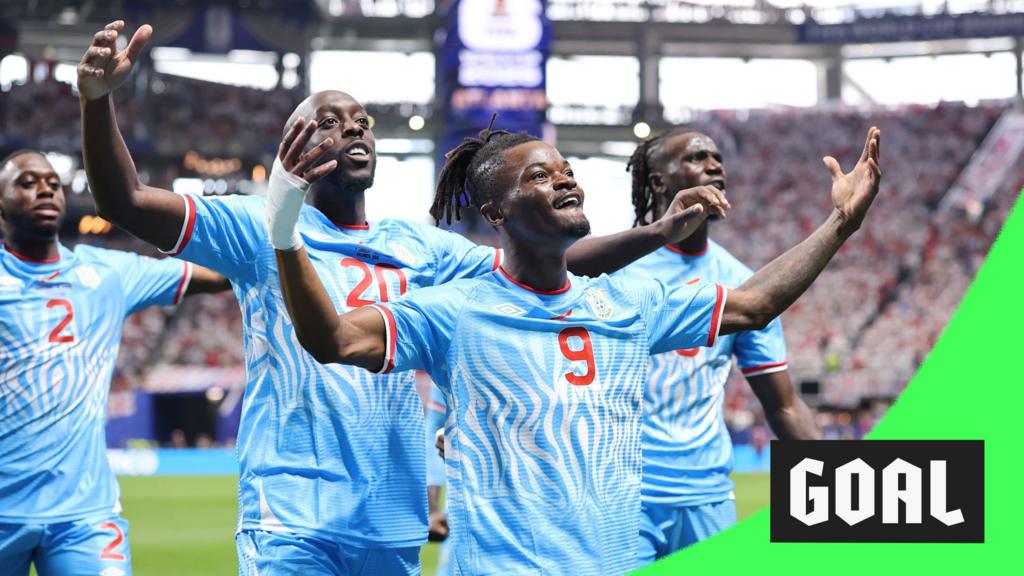
England had not conceded a goal in 270 minutes of group stage play, but it took exactly nine minutes in Atlanta for their tactical veneer to shatter. When Brian Cipenga intercepted a loose sideways pass from John Stones and fired DR Congo into the lead, it was not an isolated defensive error. Viewers can trace the structural failure on BBC Sport's coverage of the goal's build-up.
The statistical warning signs were already there during the group matches. England arrived in the round of 32 boasting a 88.4% pass completion rate. Yet that high number masked a deep unwillingness to play through the lines.
The opening exchanges in Atlanta showed that when faced with an aggressive mid-block, England's build-up play simply falls apart. DR Congo exploited this hesitation from the very first whistle. They pressed with high intensity and clear organization.
DR Congo did not rely on physical intimidation or low-block desperation to neutralise England. Instead, they deployed a highly coordinated front-three press that registered a Passes Per Defensive Action (PPDA) of 7.4 in the first half. By comparison, England's group stage opponents allowed them an average PPDA of 14.8.
This sudden increase in defensive intensity completely disrupted England's central progression. The English midfielders were forced deeper and deeper, unable to turn or play forward. This compression of space played directly into the hands of the Congolese coaching staff.
The goal itself was a textbook example of this pressing trigger in action. As reported by the BBC, Cipenga scored early after a high turnover. Wissa initiated the press by cutting off Stones' passing angle to Walker.
Stones was forced to look inward, attempting a soft pass to Declan Rice that Cipenga anticipated perfectly. The midfielder intercepted the ball five yards outside the penalty box and finished cleanly past Jordan Pickford.
The sideways passing trap
Empty possession and low threat
To understand why England are so vulnerable, we must examine their passing directions. During the first 45 minutes, England's center-backs exchanged 52 passes between themselves. This circular passing pattern kept the ball far from the danger zone.
Declan Rice completed only 12 passes forward into the middle third of the pitch during that same period. This lack of verticality forced England into a predictable U-shaped passing pattern around DR Congo's defensive block. The build-up lacked speed, intent, and creativity.
This possession was entirely empty. England held 64% of the ball in the first half but generated only 0.18 expected goals (xG). Meanwhile, DR Congo generated 0.94 xG from just three shots.
The Congolese side understood that England's possession was defensive, designed to avoid risk rather than create chances. When England did attempt to progress, they did so slowly, taking an average of 4.3 touches per player before releasing the ball.
The wing progression bottleneck
This slow tempo allowed DR Congo to slide their defensive block horizontally. The movement was coordinated and rapid, closing down space before England could find a free player.
In the 23rd minute, Bukayo Saka received the ball on the right wing. By the time the ball reached him, DR Congo had already shifted three players to double-team him. Saka was forced to pass backward to Kyle Walker, restarting the tedious cycle.
This slow circulation is a regression from England's previous tournament runs. During the 2024 European Championship, England averaged 18.2 forward passes per 90 minutes into the opposition penalty area. In Atlanta, that figure dropped to a dismal 8.0 over the first 60 minutes.
The lack of vertical passing left Harry Kane completely isolated, as he touched the ball only five times in the first half. Jude Bellingham was similarly starved of service, receiving only three passes in the final third. The connection between midfield and attack was completely severed.
Midfield stagnation and the missing link
The redundant double-pivot
The core of England's problem lies in the double pivot. Kobbie Mainoo and Declan Rice are elite players, but their positioning in possession is redundant. Both players constantly dropped into the same horizontal line, often just ten yards ahead of the center-backs.
This positioning meant England had four players occupying the space where two would suffice. It starved the final third of bodies and made it easy for DR Congo to mark the remaining attackers. The spacing was completely wrong for a top-tier international side.
DR Congo's midfield trio of Samuel Moutoussamy, Charles Pickel, and Gaël Kakuta easily defended this setup. They stayed compact, leaving England's pivot with time on the ball but no passing options.
When Mainoo did try to turn, he was met by an aggressive press that fouled him three times in transition. England's midfield duo failed to complete a single line-breaking pass in the central channel during the first hour.
The left-flank bottleneck
This structural rigidity meant England could only progress the ball down the flanks. Left-back Kieran Trippier, playing on his weaker side, completed only 32% of his forward passes. DR Congo quickly identified this weakness, deliberately funneling England's build-up toward the left.
Once the ball reached Trippier, DR Congo's right-back Gédéon Kalulu pressed aggressively, forcing turnovers or backward passes. England were trapped in their own half, unable to break the press.
This tactical bottleneck was obvious to everyone in the stadium except the coaching staff. Adjustments did not arrive until the 68th minute when Cole Palmer was introduced.
Palmer's tendency to drop into the half-spaces finally gave England a passing option between DR Congo's midfield and defensive lines. Palmer's introduction changed the spatial dynamics, but the underlying systemic flaws remained unresolved.
A critical vulnerability for the quarters
While England managed to escape with a late equaliser and a chaotic victory, their performance in Atlanta was deeply alarming. A team with World Cup aspirations cannot afford to be this fragile against a structured press.
If DR Congo can force 14 turnovers in the middle third, elite opponents will do far worse. The upcoming quarter-final opponent will have observed how easily England's build-up was suffocated. The tactical blueprint to stop this English team is now public knowledge.
The coaching staff's refusal to adapt their build-up structure is the most concerning aspect. Since their opening group match, England's average pass distance has decreased by 12%. They are playing shorter, safer passes that do not threaten the opposition.
This risk-averse style is a tactical dead-end that relies on individual brilliance rather than cohesive team play. It is a philosophy that prioritizes possession over penetration. Against organized opposition, it is a recipe for exit.
To go further, England must abandon this rigid double-pivot setup. They need a midfielder who is willing to receive the ball on the half-turn under pressure.
Without this tactical adjustment, England's possession will remain a slow, predictable exercise in self-sabotage. The Atlanta scare was a warning; the next mistake will be fatal.
Read Next
- Thomas Tuchel's right-back headache is the exact trap DR Congo needs
- Why Thomas Tuchel must unleash Kobbie Mainoo against DR Congo
- World Cup fans are losing their minds over geriatric stars and trap games
- England face a hilarious right-back crisis against the country they ignored
- 🏆 World Cup 2026 — Full Coverage Hub
- 🏴 England World Cup 2026 — Three Lions Hub