Tactical identity under Tuchel
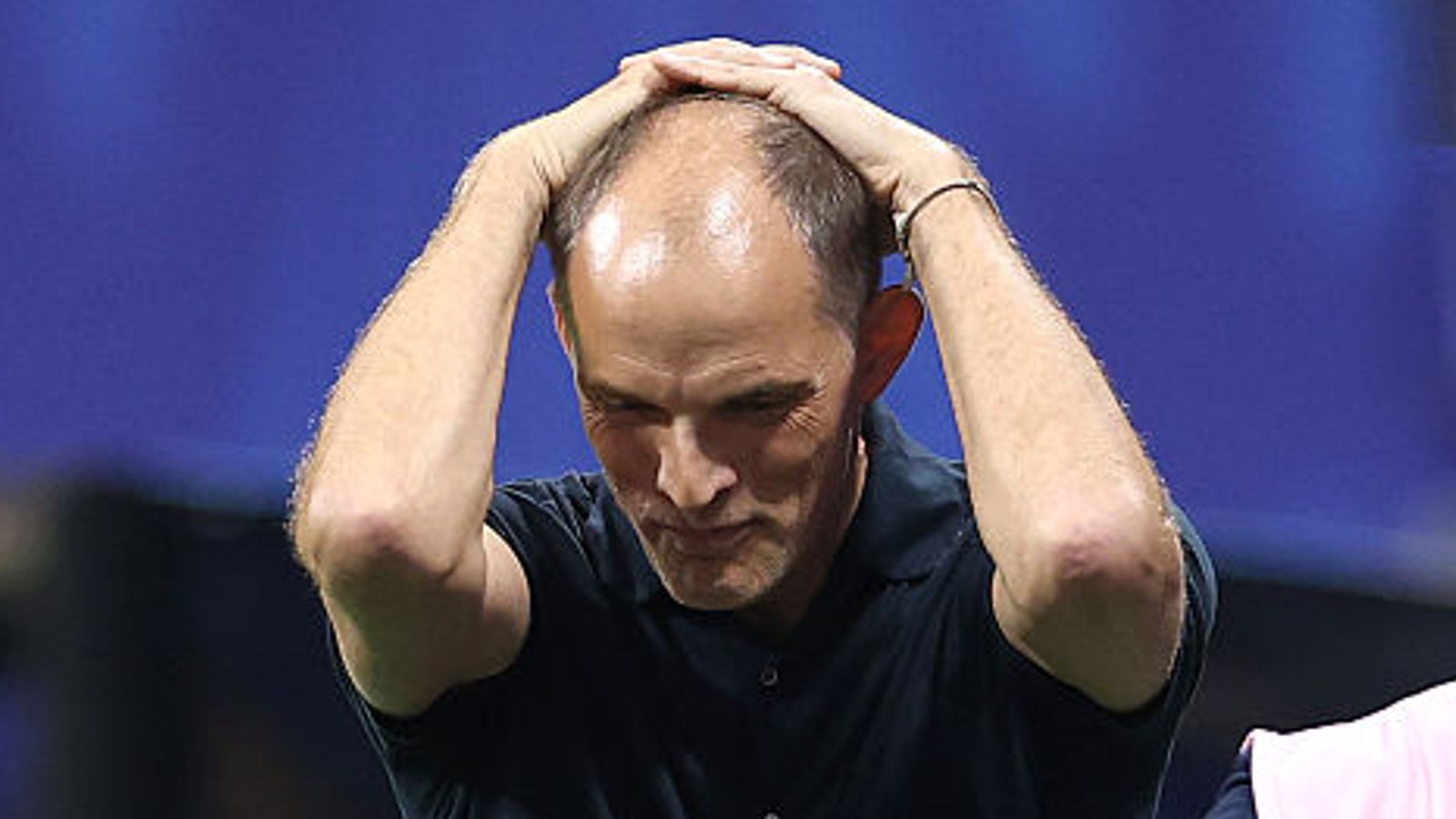
England’s opening victory over Croatia provided a cathartic release for supporters, yet the performance raised more questions than it answered. Thomas Tuchel is clearly instilling a sense of urgency, but the structural imbalance in the final third remains glaring. The first forty-five minutes against the Vatreni were defined by lateral passing and an inability to break down a compact low block.
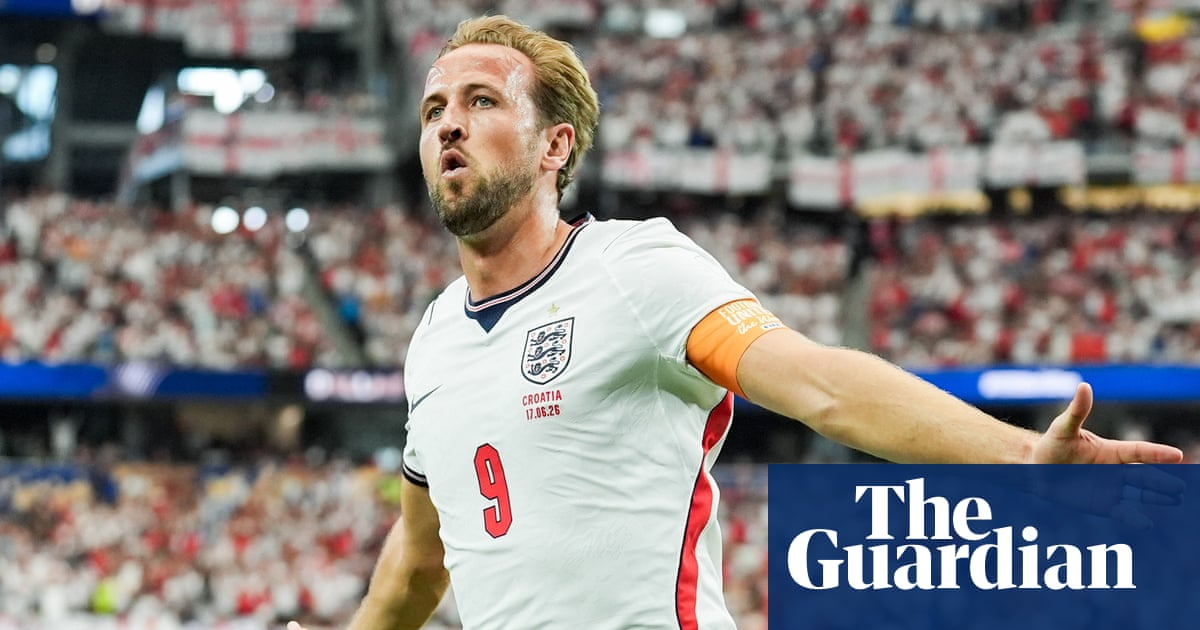
Harry Kane revealed that Tuchel’s intervention at the interval centered on challenging the squad to show the world what they can be. That rhetoric sparked a surge in intensity, but tactical clarity was secondary to raw exertion. England transitioned from a rigid 4-2-3-1 to a more fluid 4-1-4-1, yet they still looked vulnerable to transition play whenever they pushed their fullbacks high.
The defensive transition vulnerability
The most concerning takeaway from the Croatia fixture was the isolation of the holding midfielder. Whenever England committed bodies into the attacking half, the space between the midfield pivot and the center-back pairing became a hunting ground. Croatia moved the ball through those vertical channels with alarming frequency.
Statistically, the defensive heatmap shows England’s right flank was significantly exploited during the first hour. While the eventual conversion of chances silenced the doubters, the 1.4 xG against suggests that tighter teams will punish this lack of vertical compression. Tuchel must decide if he trusts his defensive line to hold a high position or if he needs to retreat into a mid-block to protect the zone in front of the penalty area.
The efficiency gap
We see a repeating theme in this tournament; the growing efficiency gap is the defining metric of these group stages. Elite finishers are not waiting for high-quality tactical patterns; they are manufacturing goals out of scraps. England’s reliance on Kane’s individual gravity in the box is a short-term fix if the chance creation system does not become more robust.
Furthermore, the physical toll of Tuchel’s high-pressing demands was evident by the 72nd minute. Substituted players looked spent, and the structural integrity began to fray. There is a fine line between the high-octane energy expected at a tournament like the 2026 World Cup and the risk of mid-match burnout. England’s depth will be tested far more rigorously in the knockout phases than it was during this opener.
Final tactical outlook
Tuchel has the talent, but his formation remains an unfinished iteration. If he keeps crowding the midfield without offering an outlet that stretches the opposition vertically, England will continue to play into the hands of tactically disciplined managers. The victory against Croatia counts for three points, but it masks a lack of spacing in the final third.
My prediction for the next round is a narrow, claustrophobic victory. They will have enough quality to bypass the initial press, but they will likely concede a goal on the counter-attack due to late-match exhaustion. Expect a 2-1 scoreline in favor of the Three Lions, driven by individual brilliance rather than an actual tactical blueprint.
Read Next
- Top 10: Defining World Cup 2026 Moments So Far
- Tuchel faces a Croatia litmus test in his tournament debut
- Thomas Tuchel's England gamble is struggling against a technically superior Croatia
- Tuchel's England gamble against Croatia is pure pragmatism
- 🏆 World Cup 2026 — Full Coverage Hub
- 🏴 England World Cup 2026 — Three Lions Hub