The Chaos Before Kick-Off
FIFA wanted to move the game. Concerned by forecasts of torrential rain and flash flooding in Mexico City, officials spent forty-eight hours trying to shift the kick-off to midday. The proposal triggered immediate resistance from both camps.
Both the Football Association and the Mexican Football Federation pointed to the logistical nightmare of changing travel schedules at the eleventh hour. Following intense pushback, FIFA abandoned the plan and confirmed the match will start as scheduled at 6:00 PM local time on Sunday.
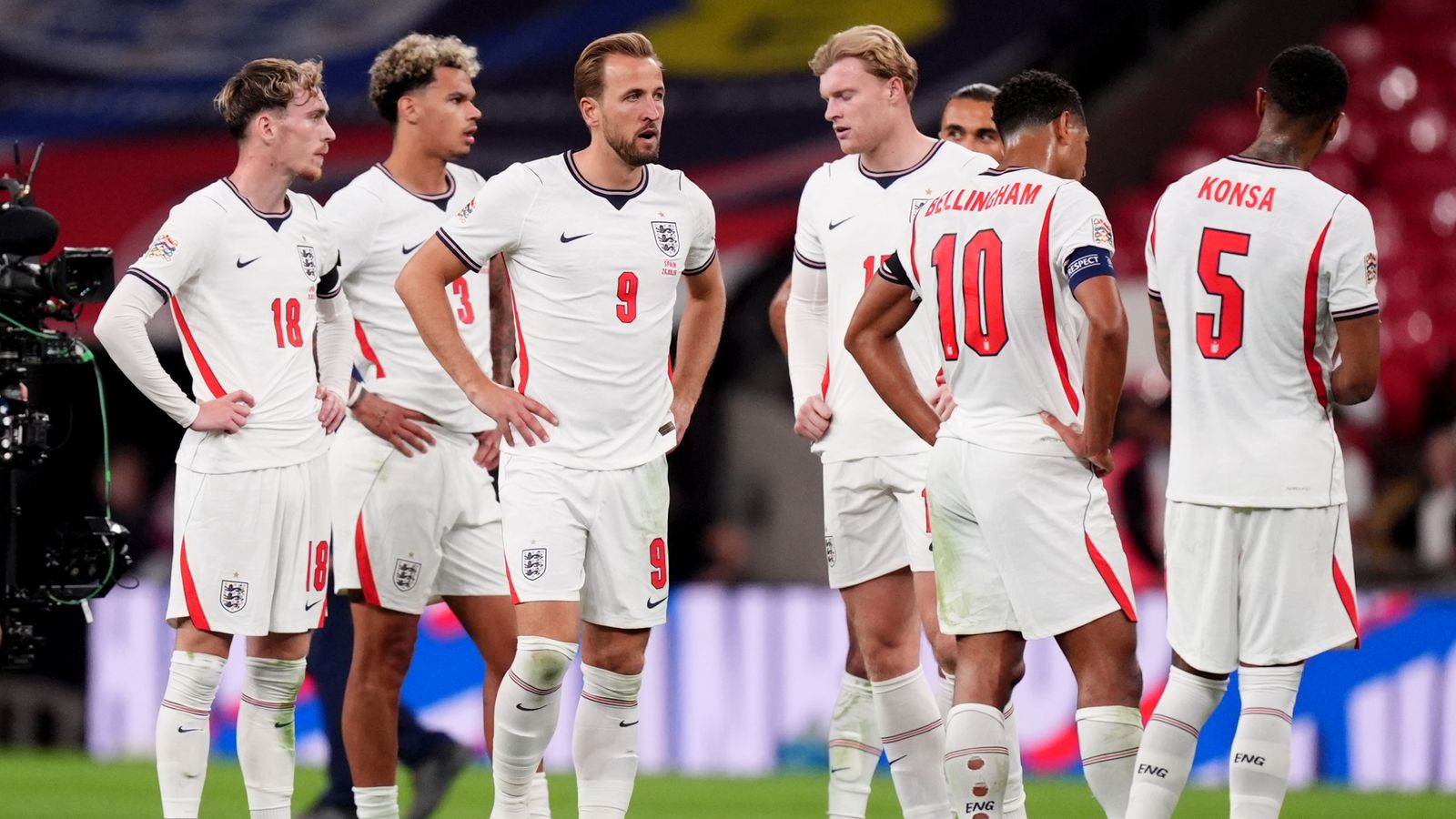
The scheduling drama was merely a prelude to the hostile environment welcoming the English team. Upon arriving at their hotel, England's squad was met with jeers and whistles from hundreds of Mexican supporters. Local police have since thrown a tight security cordon around the building.
Roadblocks, riot police, and National Guard personnel now secure the perimeter. This ring of steel was prompted by events earlier in the tournament, where fans disrupted opposing teams with fireworks and drums. You can read about the security measures in detail on the Mirror's live updates page.
Mexico City presents an immediate, unforgiving physical challenge. The Estadio Azteca sits at 2,240 meters above sea level. At this height, air resistance is lower and oxygen levels are significantly reduced.
The ball moves faster through the air, while players tire far quicker. Visiting teams routinely struggle to maintain high-pressing systems for ninety minutes. Thomas Tuchel must adapt his physical demands or risk watching his team collapse in the second half.
Tuchel's Midfield Flaws Exposed
England reached this stage after a narrow, unconvincing 2-1 victory over DR Congo. That match exposed several tactical structural issues in Tuchel's preferred shape. DR Congo winger Brian Cipenga exposed England's right flank in the seventh minute, exploiting the space left behind by a high-climbing Trent Alexander-Arnold.
The Congolese low block then choked England's central progression for over an hour. England finished the first half with a disappointing 62% passing accuracy in the final third.
The double-pivot of Declan Rice and Kobbie Mainoo lacked verticality. Too often, the pair rotated sideways, failing to penetrate the gap between DR Congo's midfield and defensive lines. Jude Bellingham was forced to drop deep to collect the ball, leaving Harry Kane isolated against two center-backs.
It was only Kane's individual brilliance—scoring in the 75th and 86th minutes—that saved England from an early exit. Tuchel cannot afford such passive build-up play against a much more organized Mexican side.
There is also the question of defensive transition. When England lose possession, their counter-press has looked disorganized. Stones and Marc Guéhi were repeatedly left exposed in wide areas against DR Congo's quick transitions.
Against Mexico's speedy wingers, any loose passes in the middle third will be punished immediately. Tuchel must decide whether to retain his aggressive front-foot defense or sit in a mid-block to protect his center-backs.
Aguirre’s Low-Block Blueprint
Javier Aguirre does not play expansive football. He values defensive structure, physical duels, and clinical efficiency. Mexico reached the Round of 16 by executing this formula perfectly in a 2-0 win over Ecuador.
Julián Quiñones opened the scoring in the 22nd minute after a rapid counter-attack. Nine minutes later, Quiñones turned provider, assisting Raúl Jiménez for the second goal. After that, Mexico simply closed the shop.
Aguirre set his team up in a rigid 4-4-2 out of possession. The distance between their defensive line and midfield line rarely exceeded fifteen meters. This compact spacing completely suffocated Ecuador's creative outlets.
When Ecuador did break through, Edson Álvarez was there to commit tactical fouls and disrupt the tempo. The West Ham midfielder made four tackles and three interceptions in that match, anchoring the midfield with aggression.
Mexico's defensive discipline eventually forced Ecuador into frustration. Piero Hincapié was sent off late in the game after a reckless challenge. Aguirre will look to replicate this disruptive strategy against England.
By denying Bellingham space between the lines, Mexico hope to frustrate England's star players into making mistakes. The pressure on the hosts is immense, but they have shown the tactical maturity to handle it.
The Spacing Battle on the Pitch
How do England break down Aguirre's defense? The answer lies in the half-spaces and the movement of England's inside forwards. In Tuchel's 3-4-2-1, Bukayo Saka and Phil Foden must occupy the space between Mexico's fullbacks and center-backs.
If they stay too wide, Mexico's flat back four will easily shift to cover them. If they tuck inside too early, they will run straight into the defensive shield of Álvarez and Luis Chávez.
Movement must be sharp and coordinated. England need to create overloads on the wings before quickly switching play to the opposite flank. This requires rapid ball circulation, something that was entirely absent against DR Congo.
If Rice and Mainoo take three touches before passing, Mexico's block will simply slide across. The ball must move with one or two touches to force Mexico's midfield to sprint and tire at altitude.
Mexico's pressing triggers will be highly specific. Aguirre's side does not press high up the pitch. Instead, they wait for the ball to enter the middle third.
When Stones steps forward with the ball, or when England play a pass back to Jordan Pickford, Mexico will trigger their traps. Quiñones and Henry Martín will press the ball carrier while the midfield shifts to cut off the short passing lanes. England must recognize these triggers and bypass them with longer, diagonal passes.
The battle on the wings will be particularly fierce. César Montes and Johan Vásquez are solid center-backs, but they can be vulnerable when turned toward their own goal.
If England can release Saka behind the defensive line, Mexico will be forced to drop deep. This will open up the edge of the penalty box for late arrivals from Bellingham. However, if Saka is isolated against Jesús Gallardo, England's right side will become a dead end.
The Final Verdict
This match will not be pretty. Aguirre will gladly sacrifice possession to keep the game tight and physical. Mexico will look to exploit England's fatigue as the altitude takes its toll in the second half.
They will rely on the raucous crowd at the Azteca to rattle Tuchel's players. We can expect plenty of tactical fouls, slow restarts, and intense pressure on the referee. The logistical disputes surrounding the kick-off time, which you can read about in the Mirror's live report, have only added to the tension.
Yet, England possess the superior individual quality. Tuchel is a master of tournament football, and he will have learned from the scare against DR Congo. Expect England to play a more cautious, possession-based game than usual.
By keeping the ball and slowing the tempo, they can nullify both the altitude and Mexico's pressing traps. It will require immense discipline and patience.
England will strike late. As Mexico tire from chasing the ball, spaces will open up in the final twenty minutes. Bellingham will find the decisive pass, and Kane will finish it.
England will edge a tense, hostile encounter to reach the quarterfinals.
Prediction: England 1, Mexico 0.
Read Next
- England's right-back crisis has turned Thomas Tuchel into a mad scientist
- Tuchel's rigid tactics will melt under the Estadio Azteca midday sun
- Thomas Tuchel is driving England fans insane with his right-back obsession
- Why Mexico's altitude and sudden kickoff change is Tuchel's nightmare
- 🏆 World Cup 2026 — Full Coverage Hub
- 🏴 England World Cup 2026 — Three Lions Hub