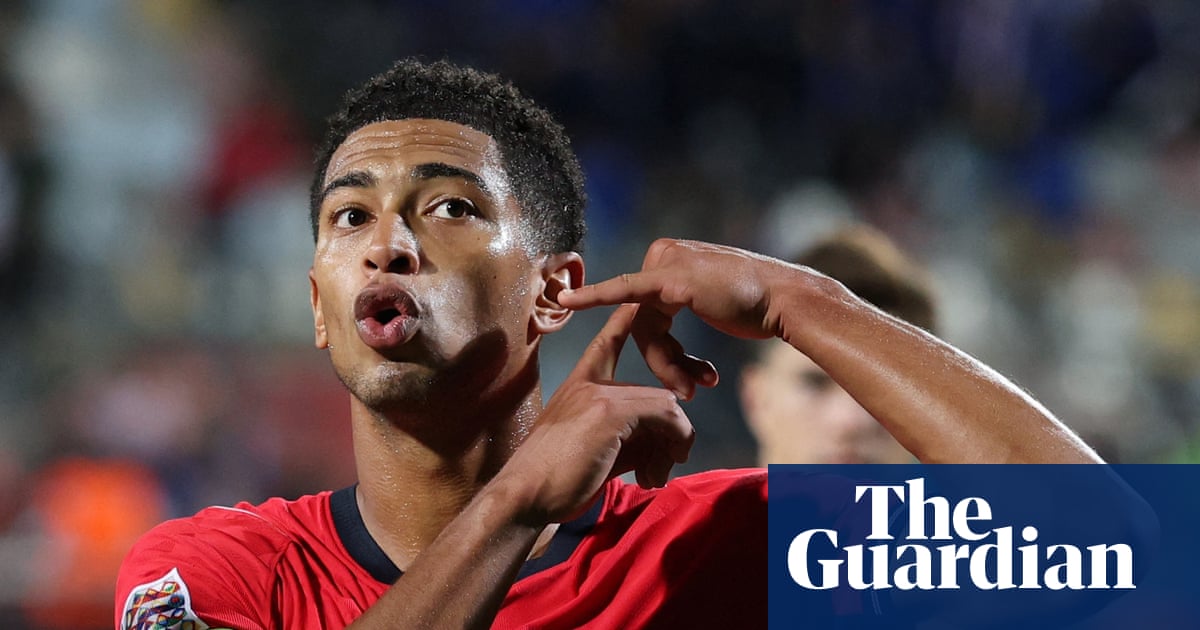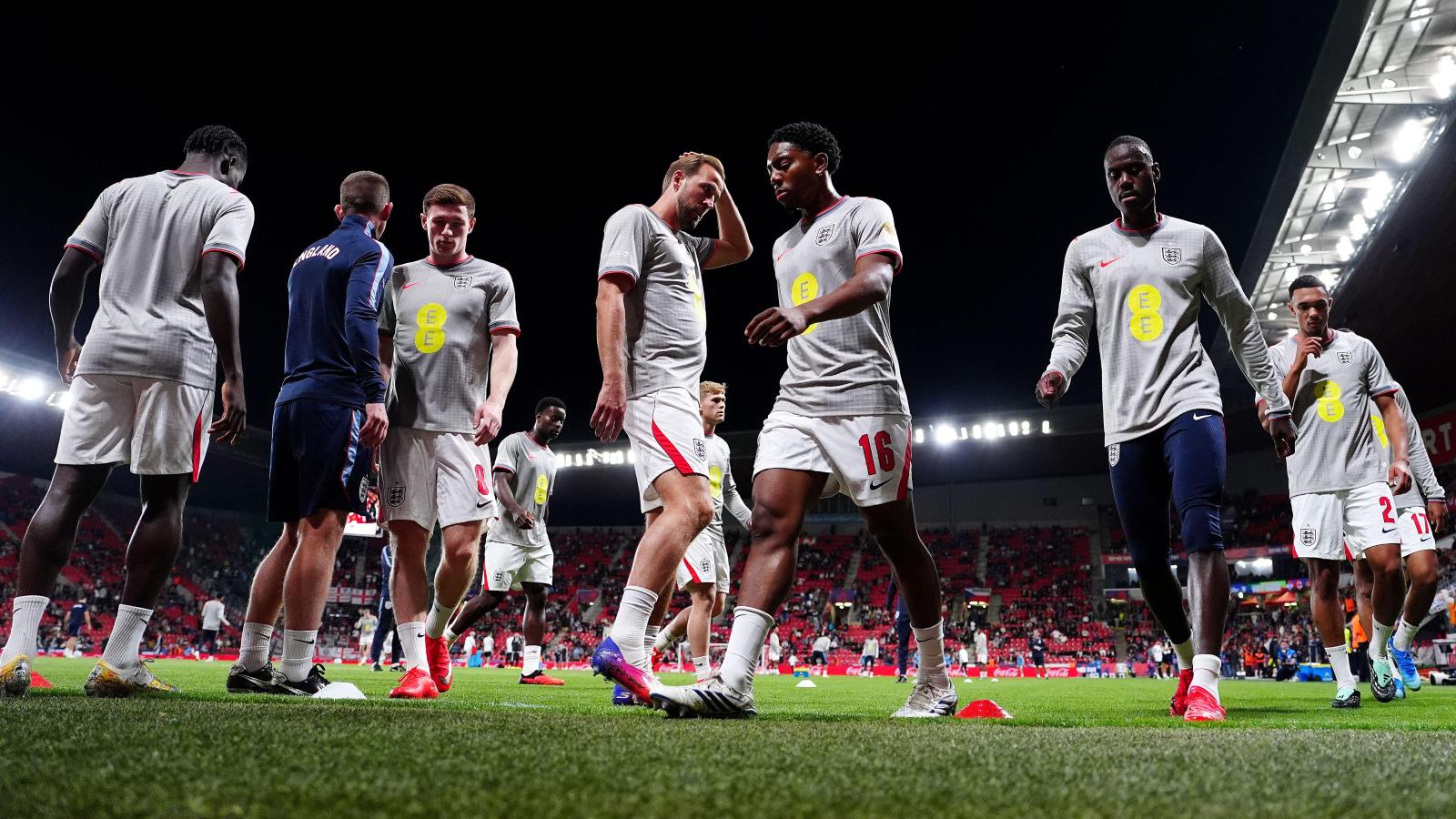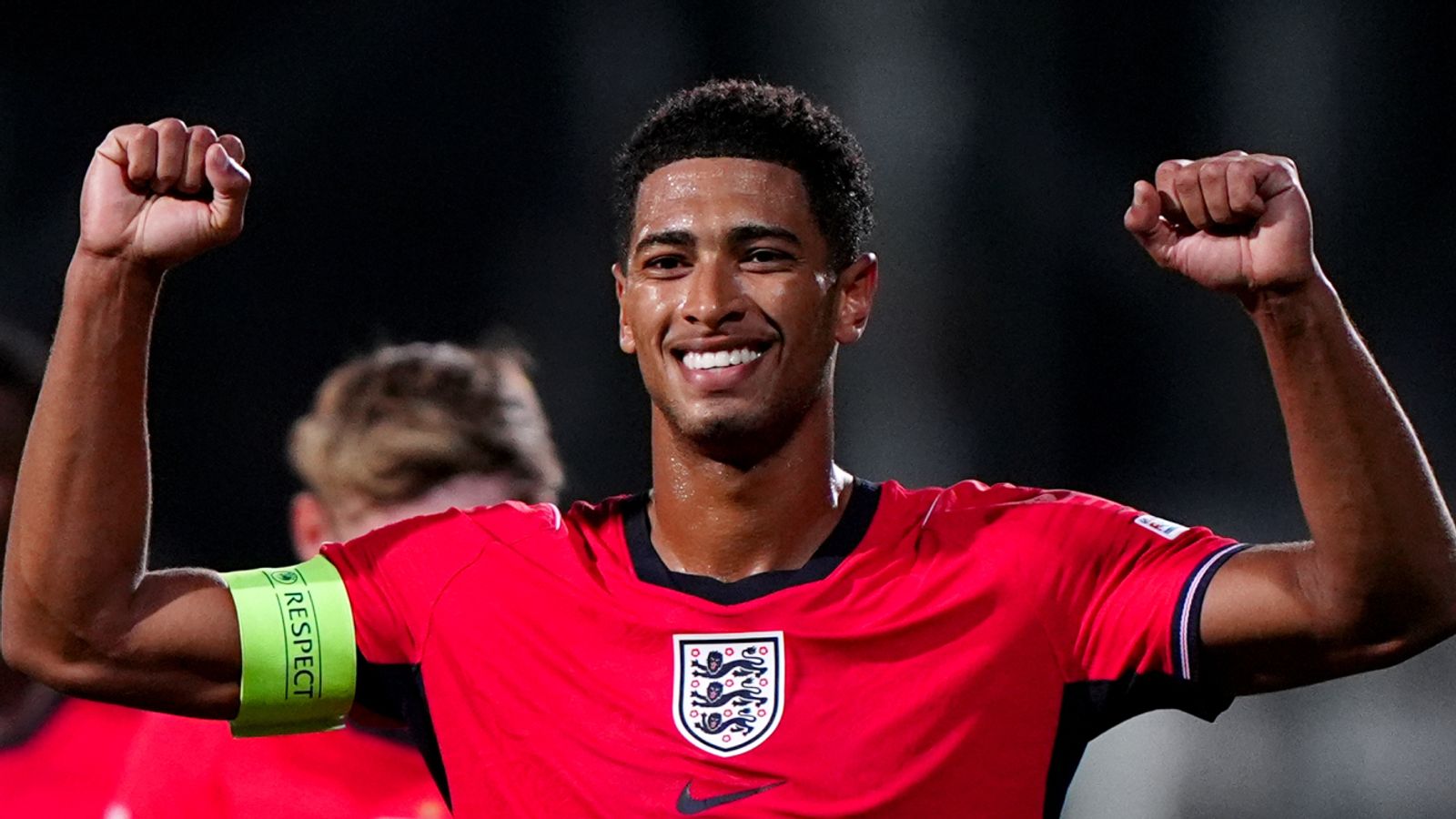
Jordan Henderson will miss the remainder of England’s World Cup campaign after fracturing his wrist in a freak post-match celebration accident at the Estadio Azteca. The Brentford midfielder, who did not play a single minute of the chaotic 3-2 victory over Mexico, is currently hospitalized in Mexico City.
England manager Thomas Tuchel confirmed the severity of the injury, stating that the veteran will not travel back with the squad. He faces a lengthy spell on the sidelines.
Azteca Adrenaline Ends in Oxygen Mask
The incident occurred in the immediate aftermath of England’s dramatic Round of 16 victory. Henderson, who spent the match on the bench and even managed to pick up a yellow card for dissent from the sidelines, was attempting to follow defender Dan Burn onto the pitch. In the rush of the celebration, Jordan Henderson fell over the advertising hoardings and hit the turf in visible agony.
Burn realized his teammate was in pain and flagged down the medical team. Medics administered oxygen to the 36-year-old on the pitch before stretchering him off. Teammates formed a protective ring around the midfielder as the medical staff worked, providing a shield from the cameras.
Tuchel looked visibly shaken when discussing the player's status in his post-match press conference. "Not good. Jordan fell over and injured his wrist. It looks really bad," Tuchel said. He later added: "It’s a quite serious injury and it doesn’t fit to the evening that Jordan is now not with us. The doctor told me he is in hospital."
Clinical Analysis and Recovery Timelines
A fall from height onto an outstretched hand is the classic mechanism for severe wrist injuries. It commonly results in a distal radius fracture, scaphoid fracture, or severe scapholunate ligament disruption. The fact that Henderson required oxygen on the pitch suggests severe acute pain, which is typical of displaced fractures or joint dislocations.
Hospitalization points toward either a closed reduction under anesthesia or immediate surgical intervention. For a professional athlete, a displaced wrist fracture requiring surgical fixation typically carries a recovery timeline of six to eight weeks. Even if the bone heals quickly, the residual stiffness and loss of grip strength make a return to competitive football before late August highly unlikely.
This rules Henderson out of the rest of the World Cup campaign. It also severely disrupts his pre-season preparations with Brentford in the Premier League. At his age, a traumatic joint injury of this nature raises serious questions about his long-term recovery and his future in international football.
Tuchel's Midfield Nightmare: Stones, James, and a Plan B
The injury creates an immediate tactical headache for Tuchel. England's midfield is already stretched thin following Jarell Quansah’s red card, which leaves him suspended for the upcoming quarter-final. Declan Rice is also carrying a knock, having played through significant pain during the latter stages of the Mexico match.
While Henderson was only a squad player, his veteran presence was intended to offer experienced cover. He has registered just seven minutes of football in the tournament so far. Tuchel must now look at alternative options for the holding midfield role ahead of Saturday’s quarter-final against Norway.
Reports suggest John Stones is the primary candidate to step forward into the No. 6 role. This is not a completely novel idea, as Tuchel has publicly discussed the possibility of using Stones in midfield since last September. "We believe that Reece James can also play as a No.6, because he does on a high level for Chelsea. I think John Stones can play as a No.6 for us," Tuchel remarked during his squad selection.
Moving Stones into midfield, however, weakens an England defense that looked highly vulnerable in the first half against Mexico. Raul Jimenez and a host of Liga MX players repeatedly exploited the spaces in the backline. England struggled to stop crosses and invited far too much pressure before the second-half defensive stand.
Mentality Debates and Bizarre History
The bizarre nature of Henderson's injury has also intensified internal and external debates about the squad’s focus. As Wayne Rooney hit out in post-match comments, the team's wild celebrations were premature. The dressing room scenes included John Stones faking an injury to play a prank on Tuchel, prompting Rooney to remark: "After you win anything… I know you've got to enjoy it but I think it's a bit too soon."
Meanwhile, Michael Owen wrote in his Daily Mail column that the team's defensive desperation was being mislabeled as bravery. He warned that if England play like that against France, Spain, or Argentina, they will "get our backsides kicked." Owen criticized the celebrating of blocks, arguing that throwing bodies in front of a ball is simply part of the job rather than true football bravery.
Joe Hart also entered the fray, criticizing Tuchel for his post-match complaints about the refereeing. Hart suggested the German coach was wrong to distract from the victory by arguing with officials.
Freak Injuries: A Rich and Painful History
Henderson's mishap adds to a long and bizarre history of footballing freak injuries. In 1993, Arsenal defender Steve Morrow broke his collarbone during the League Cup final celebrations when teammate Tony Adams dropped him. Spanish goalkeeper Santiago Canizares famously missed the 2002 World Cup after dropping a bottle of aftershave, which shattered and severed a tendon in his big toe.
More recently, Ever Banega broke his ankle at a petrol station when he forgot to set the handbrake on his car. Hamburg's Nicolai Müller tore his ACL while performing his signature helicopter spin celebration after scoring a goal.
Henderson’s injury fits squarely into this category of self-inflicted celebration disasters. While the squad tries to maintain focus, the loss of their veteran midfielder is a stark reminder of how quickly tournament campaigns can be disrupted by off-pitch incidents.
England now travels to face a Norway squad that is dealing with its own issues, including a sickness bug. However, Solbakken has sought to play down the severity of the outbreak, noting that Jorgen Strand Larsen was the only player to run a fever. Whether England can overcome their midfield shortages and find the tactical composure that Tuchel demands remains the defining question ahead of Saturday's match.
Read Next
- Jordan Henderson's World Cup is over after a freak celebration fall
- Jordan Henderson stranded in Mexico with hand injury after bizarre Azteca fall
- Reece James is in a race against time to solve England's right-back crisis
- Why England's chaotic win over Mexico should worry Thomas Tuchel
- 🏆 World Cup 2026 — Full Coverage Hub
- 🏴 England World Cup 2026 — Three Lions Hub
- 🇲🇽 Mexico World Cup 2026 — El Tri Hub