
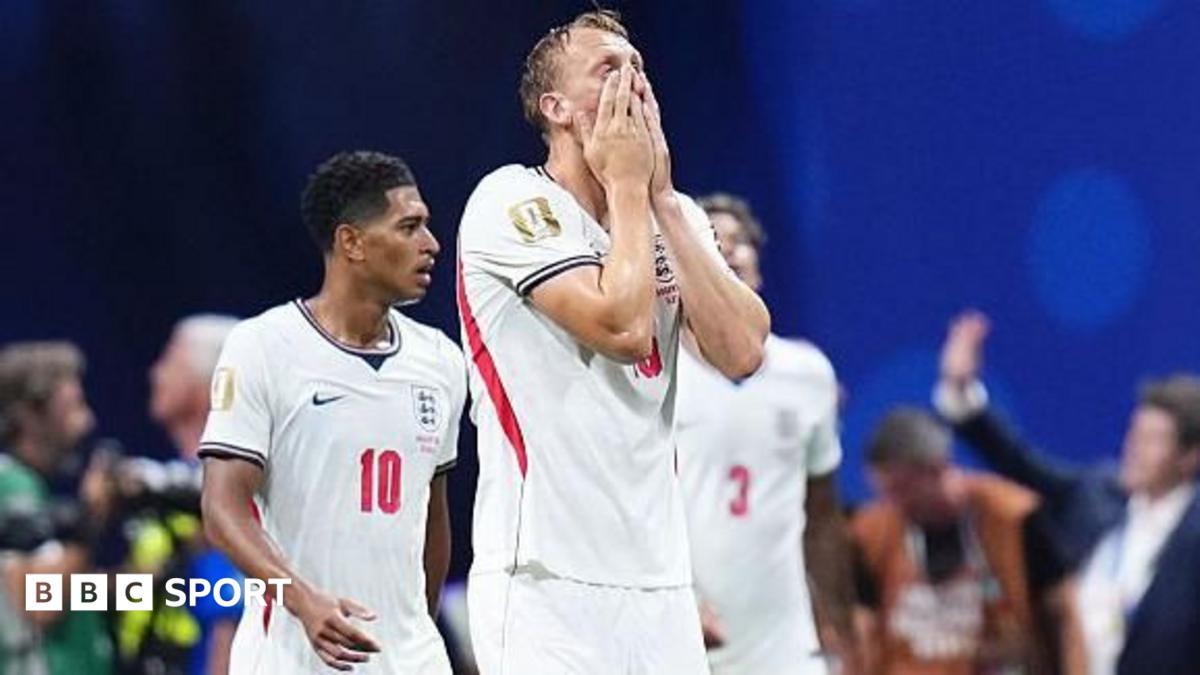
Post-traumatic stress and the semi-final shadow
The wreckage of that World Cup semi-final exit remains fresh. Dan Burn has been vocal about the defeat, describing the outcome as something that will haunt the squad internally. When a team loses in that manner, the focus shifts to internal squad cohesion and the ability to reset tactical discipline.
History repeats itself if the team refuses to address why they folded under pressure. England controlled the central pivot for 65 minutes before individual defensive lapses allowed Argentina to dictate the tempo. The BBC reporting on the aftermath highlights how quickly the narrative can turn from a potential glory run to a period of lingering regret.
Tactical rigidity against a fluid opponent
Argentina thrives on disruption. Their pressing triggers occur precisely when an opponent attempts to pivot from a low block into transition. England struggled to outlet the ball in the semifinals, finishing with a pass completion rate that dipped below 72% in the second half.
If the coaching staff intends to find a different result, the defensive line must hold their spacing. Too often, the gap between the center-backs and the holding midfielder left a massive void in the half-spaces. This is where the match will be settled.
The metrics of the collapse
Looking at the shot maps from that defeat, the expected goals (xG) differential wasn't the issue. It was the quality of chances conceded. Giving up high-percentage looks inside the box in the 78th minute rendered the tactical setup moot.
England relied on individual brilliance rather than collective shape. Argentina’s transition speed punished every instance of over-commitment on the attacking third. If they play the same high-line without defensive cover, they invite a identical result.
The necessity of a pivot
Managerial adjustments are non-negotiable here. Bringing in a deeper holding presence to nullify the space between lines is the standard antidote for this brand of Argentine chaos. Yet, the personnel choices suggest a continued commitment to an aggressive, forward-passing identity.
Predicting another loss might seem cynical, but the evidence is staring us in the face. England enters this next iteration with the same defensive vulnerabilities exposed in the 2026 World Cup. Expect Argentina to isolate the full-backs early, aiming to draw the wingers out of position within the first 20 minutes.
My prediction: Argentina will win 2-1. Their control of the tactical transition, coupled with England’s inability to maintain defensive structure under pressure, will result in another painful afternoon for the Three Lions. They don't seem to have the tactical nuance to stop a team that is currently a step ahead in game management.
Read Next
- England versus Argentina is the grudge match we actually deserve
- England must correct their tactical paralysis against Argentina
- England need more than just hope to beat Argentina in the rematch
- England and Argentina are stuck in a tactical deadlock
- 🇦🇷 Argentina World Cup 2026 — Defending Champions Hub
- 🏴 England World Cup 2026 — Three Lions Hub





