The Altitude Adjustment
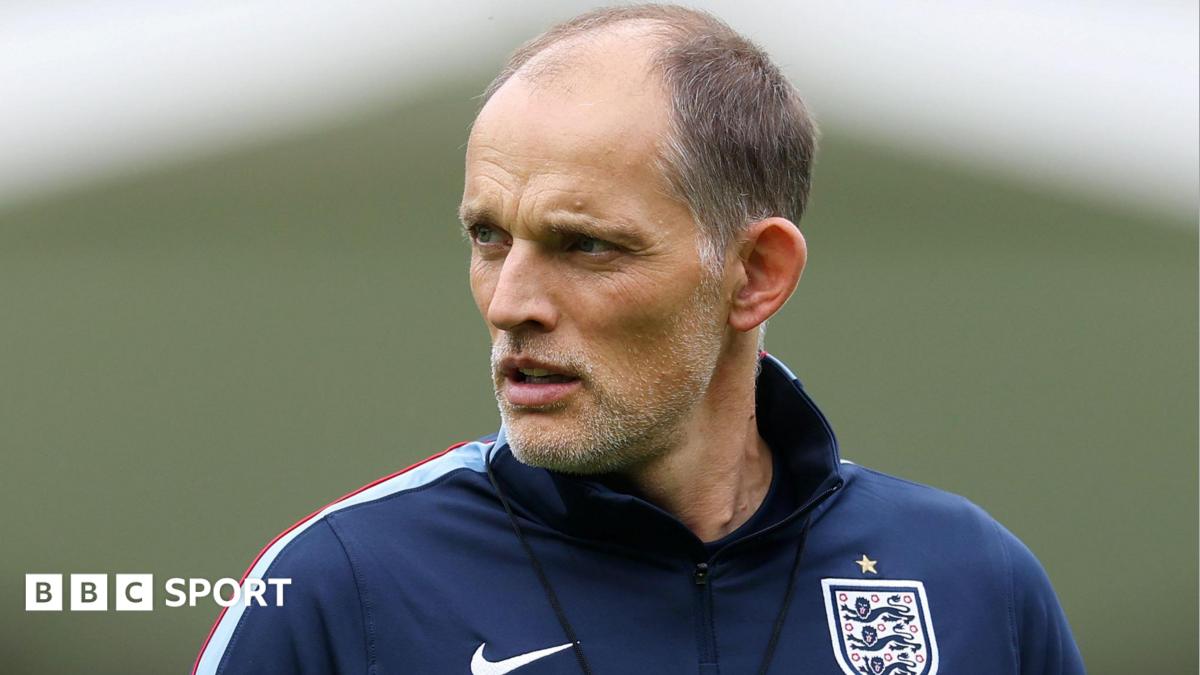
England arrived in Mexico surrounded by headlines detailing security cordons and diplomatic friction, though as the BBC reported, Thomas Tuchel dismissed these concerns before the tournament began. On the pitch, the real opponent is the thin air. The tactical notebook tells the true story of how Tuchel is re-engineering this team to survive.
During the European qualifying campaign, England operated with a high-intensity defensive block, registering a Passes Per Defensive Action (PPDA) rate of 8.4. In the heat and altitude of Mexico, that metric has plummeted to 14.2. This is not a drop-off in effort; it is a calculated tactical withdrawal.
Pressing high at 2,240 meters above sea level is a recipe for physical collapse. Tuchel knows this, having watched European sides wither in late stages of matches played in Central America. By letting opposition center-backs carry the ball unchallenged, England are saving their legs for the moments that matter.
This passive defensive structure represents a complete departure from England's recent history. Under Gareth Southgate at the 2022 World Cup, England maintained an average defensive line height of 53.8 meters. In Mexico, Tuchel has dropped that line to 46.2 meters.
The space behind the defense has shrunk, protecting slow-moving defenders from quick transitions. Opponents are allowed to pass horizontally in their own half, but the central corridor is completely blocked. It is a slow, methodical approach designed to frustrate both the opponent and the spectator.
Possession as a Defensive Shield
When England win the ball, their objective is simple: keep it at all costs. In their recent fixtures on Mexican soil, England averaged 62.4% possession. This is not the progressive, vertical possession Tuchel favored at Chelsea, but rather a defensive shield.
By circulating the ball slowly between the back three and the double pivot, England force the opposition to run in the heat. The numbers back this up. England's average pass length has decreased from 19.4 meters in European qualifying to 15.1 meters in Mexico.
Short, low-risk passes keep the team compact. This minimizes the distance players must travel to recover their defensive shape if a turnover occurs. The physical toll of this tournament demands such efficiency.
Data shows that England's total distance covered has dropped from 114.6 kilometers per match to 108.4 kilometers. More importantly, high-intensity sprints have seen a 22% reduction. This physical conservation strategy is paying dividends in the final twenty minutes of matches.
While other teams fade in the thin air, England's physical output remains flat. They are not running more; they are running smarter. This is a cold, mathematical approach to tournament football that values energy conservation over aesthetic dominance.
The Contrast with South American Rigor
To understand the extremity of Tuchel's conservation strategy, one only has to look at how Argentina and Brazil are navigating the same tournament conditions. Argentina, in similar heat, have maintained a PPDA of 9.2, pressing aggressively in the opponent's half.
Brazil average 14.8 sprints per ninety minutes from their front three. England's front three of Harry Kane, Bukayo Saka, and Phil Foden average just 8.2 sprints combined. The difference highlights Tuchel's extreme prioritization of physical economy.
While Brazil's high-intensity approach led to late fatigue, England's low-intensity model keeps them compact. But this limits England's attacking threat. Kane is often isolated, averaging just 18 touches per match, the lowest of his international career.
The Midfield Safe Zone
The success of this strategy depends on midfield security. In high-altitude matches, England's midfielders registered a pass completion rate under pressure of 84.1%. This allows the team to sustain possession under pressure.
Declan Rice and Kobbie Mainoo form a pivot prioritizing safety. They rarely look for the killer pass between the lines, opting for lateral recycling. This keeps the tempo slow.
For fans expecting explosive attacking displays, this is difficult to watch. But Tuchel's priority is control. The goal is to starve opposition transitions, which are lethal in the heat.
By keeping play compact, England have reduced transition opportunities. Opponents average just 1.2 counter-attacks per ninety minutes, down from 2.8 against England in Euro 2024.
Control extends to the defensive third, where goalkeeper Jordan Pickford has changed his distribution. Instead of launching long balls, Pickford plays 88% of his goal kicks short. This ensures England begin possession sequences in control.
The Isolation of Harry Kane
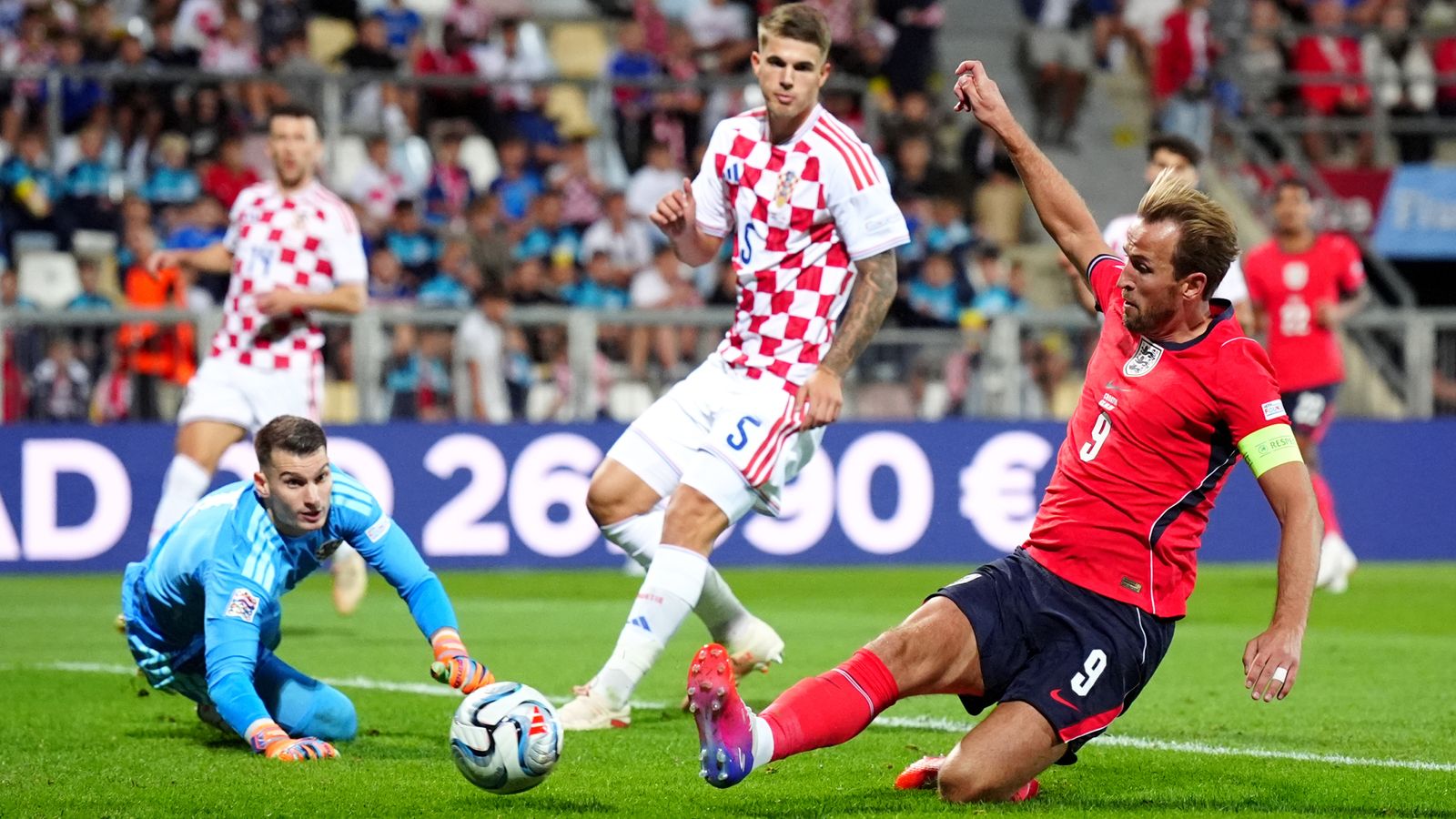
A consequence of England's low-risk passing is the isolation of their primary goalscorer. Harry Kane spends large portions of matches operating as a defensive shield. His average position chart shows him dropping deeper than both central midfielders.
Against Mexico, Kane did not register a single touch inside the opposition penalty area until the 74th minute. Instead of receiving progressive passes, he contested aerial duels in his own half. This defensive workload blunts his offensive efficiency.
Under Southgate, Kane averaged 3.4 shots per match; under Tuchel, that has plummeted to 1.1. England are scoring fewer goals, relying on defensive resilience to secure narrow victories. This leaves no margin for error at the back.
The Flaws in the Passive Model
No system is without its risks. The lack of verticality means England struggle to create quality chances. Their expected goals (xG) per shot has fallen to 0.08, indicating they are settling for low-probability efforts.
Turnovers in central areas are severe. Because the defensive line is dropped, losing possession in the middle third leaves a large gap between midfield and defense. In the 68th minute against Mexico, a simple turnover led to a direct shot.
Facing elite technical quality that can bypass their mid-block, England will struggle to adjust. Without a high press, they cannot easily chase a game if they fall behind. They have committed to a rigid plan.
The Transition Vulnerability
When England turn the ball over, their structure is tested. Because the midfield remains flat, they are slow to shift laterally. This leaves the flanks exposed to quick counter-attacks from fast wingers.
Against Mexico, the home side exploited this spacing repeatedly. By drawing England's pivot to one side, they switched play rapidly to the opposite flank, creating three-on-two situations against England's fullbacks. Only poor delivery and desperate blocking prevented England from conceding.
This vulnerability is worrying as the tournament progresses. Elite opposition will not miss the opportunities that Mexico failed to convert. Tuchel must shore up these wide areas without compromising central solidity.
Security is tight, but the atmosphere inside the stadiums is far from hostile. As Thomas Tuchel noted in a recent interview with the BBC, the reception has been "nicer than I expected" with fans being "friendly and respectful."
"It has been nicer than I expected," Tuchel stated, adding that the local fans have been "friendly and respectful" despite the intense security.
The real opponent is the climate, and Tuchel's adaptation is a direct response. England's path depends on whether this low-intensity style can survive against opponents who refuse to let them play at walking pace.
Read Next
- Why England's World Cup run could end in the thin air of the Azteca
- Thomas Tuchel's chemistry experiment is failing England at the worst moment
- Tuchel must slow the game down if England are to survive the Azteca
- Why Mexico will exploit Thomas Tuchel's right-back crisis at the Azteca
- 🏆 World Cup 2026 — Full Coverage Hub
- 🏴 England World Cup 2026 — Three Lions Hub
- 🇲🇽 Mexico World Cup 2026 — El Tri Hub