
DR Congo's World Cup qualification is a masterpiece of tactical discipline
The tactical blueprint of Sebastien Desabre
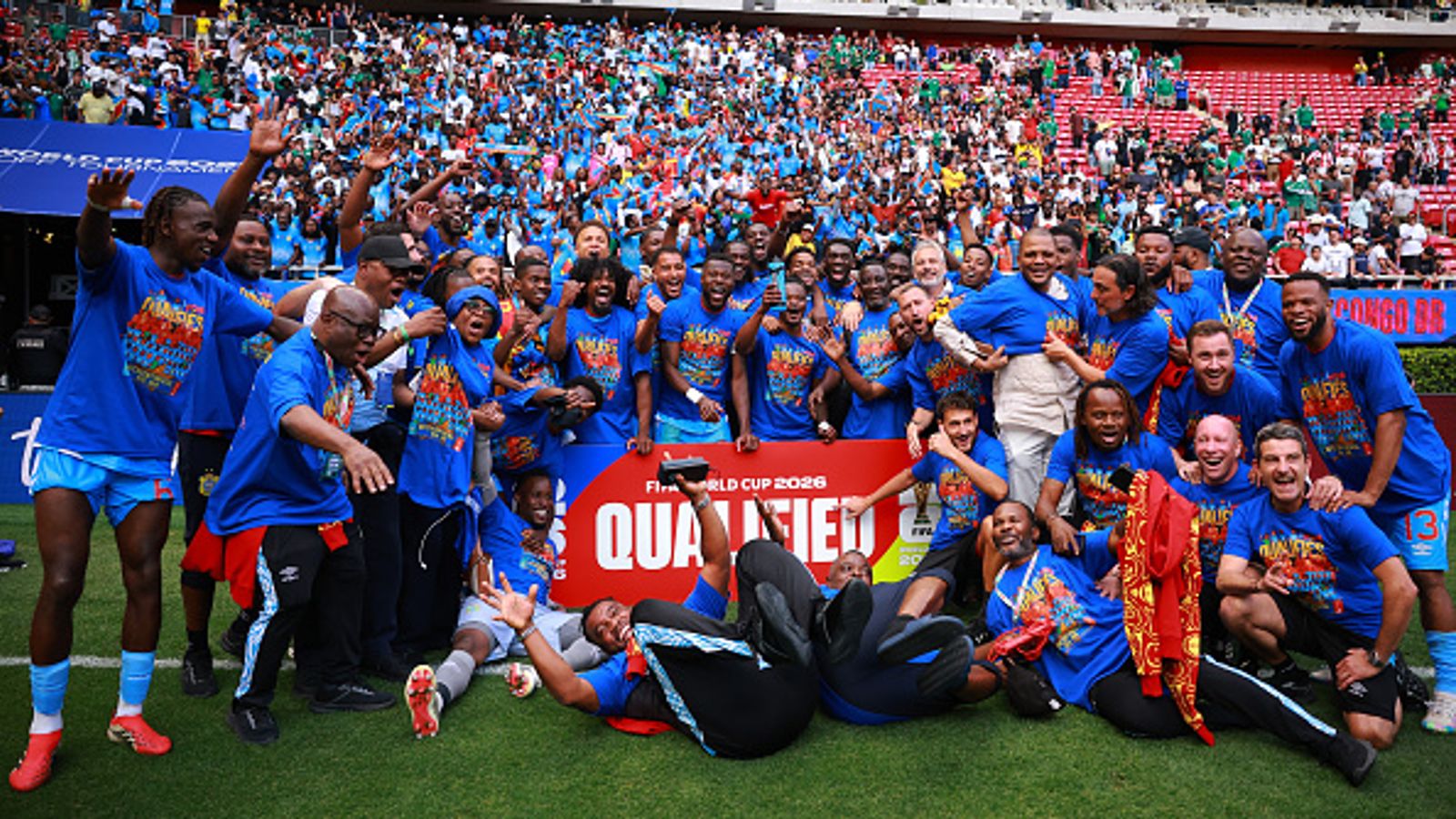
When the final whistle blew on the Leopards’ qualification campaign, it signaled the end of a 52-year drought for the Democratic Republic of Congo. Watching from the sidelines, Sebastien Desabre implemented a system that prioritized verticality over possession. He discarded the idea that his team needed to dominate the ball to dictate the terms of the match.
Instead, Desabre utilized a compact block that shifted with the efficiency of a well-oiled machine. By drawing opponents into a congested central area, the side created massive lanes for wing-forwards to exploit on the counter. The efficiency was noted even by casual observers, but the granular data tells the story of a team designed to punish defensive lapses.
Midfield dynamics and the transition game
The success of this formation relies heavily on the double pivot in midfield. By keeping the center-backs tight to the screen, Desabre allowed his full-backs to push high in the later stages of the half. This was evident in their recent qualifying victory, where the team maintained a 68 percent success rate on long-range diagonal passes.
Their offensive output was rarely pretty, yet it was invariably effective. The Leopards operated with a clear defensive mandate that limited opposition shots on target to fewer than 3 per game. It is a rigid, unforgiving style of play that mirrors the defensive transitions seen in the modern DR Congo qualifying run. They do not chase shadows; they chase triggers.
The cost of a conservative approach
However, this strategy carries significant risks that could be exposed on the global stage. Against superior technical midfields, the reliance on rapid transitions often left the team isolated in the final third. When the counter-attack stalled, the lack of a creative number 10 became glaring, forcing long balls that lacked a specific target man.
The reliance on individual moments of brilliance meant the team finished the last qualifier with an xG of 0.82 despite controlling large chunks of the second half. That is not sustainable against tier-one nations. If Desabre does not introduce more fluidity into the build-up, the Leopards risk being suffocated by teams that dare to press their deep-lying defenders.
Building for the summer
We are just over 70 days away from the FIFA World Cup kickoff, and the staff must address the fatigue factor. The intensity required to sustain a low-block defense for 90 minutes is physically taxing. During the final matches, the drop-off in sprinting intensity after the 75th minute was a cause for concern.
The squad is talented, but coaching staff needs to rotate more aggressively to maintain the press. Without a deeper bench, the tactical identity—built on grit and lightning-fast transitions—might simply disintegrate under the sweltering heat of the tournament schedule. Success in June will require more than just defensive solidarity.
Refining the final third
Watching the film, the issue is not the defensive structure but the spacing in the final third. Too often, the wingers are forced to dwell on the ball waiting for structural support that never arrives. This creates a predictable pattern where recovery runs from the opposition defense easily catch up to the play.
The solution is simple in theory: tighter interchanges between the central striker and the arriving winger. The Leopards have the personnel to execute these complex patterns, yet they continue to favor the safer, long-distance ball. Refining these final-third movements is the singular difference between a dignified exit and a deep run into the group stages.
Zonal Marking: The Making of Modern European Football
Deep dive into the tactical genius that shapes today's game.
Frequently Asked Questions
How did DR Congo qualify for the 2026 World Cup?
What tactical system does Sebastien Desabre use for the Leopards?
What are the main risks associated with DR Congo's playing style?
Why is fatigue a concern for DR Congo heading into the World Cup?
What offensive weaknesses must DR Congo address?
More Coverage
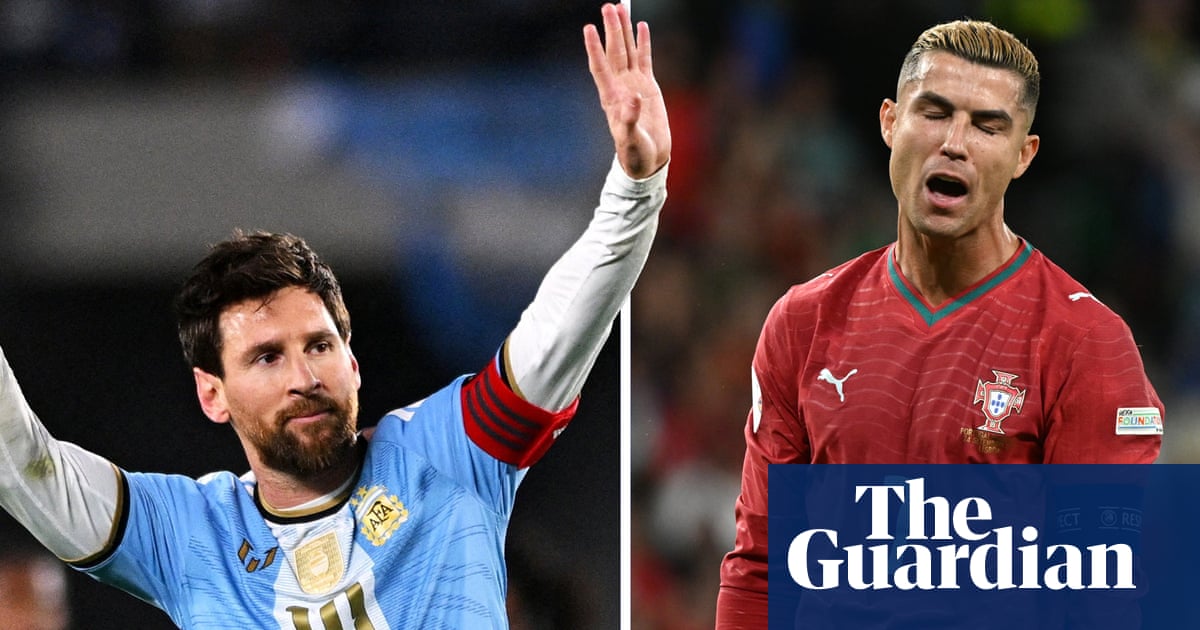
Portugal are about to play their best football in a decade without Ronaldo
5 minutes ago
Top 10: World Football's Biggest Storylines, Scandals, and Shocks of 2026
21 hours ago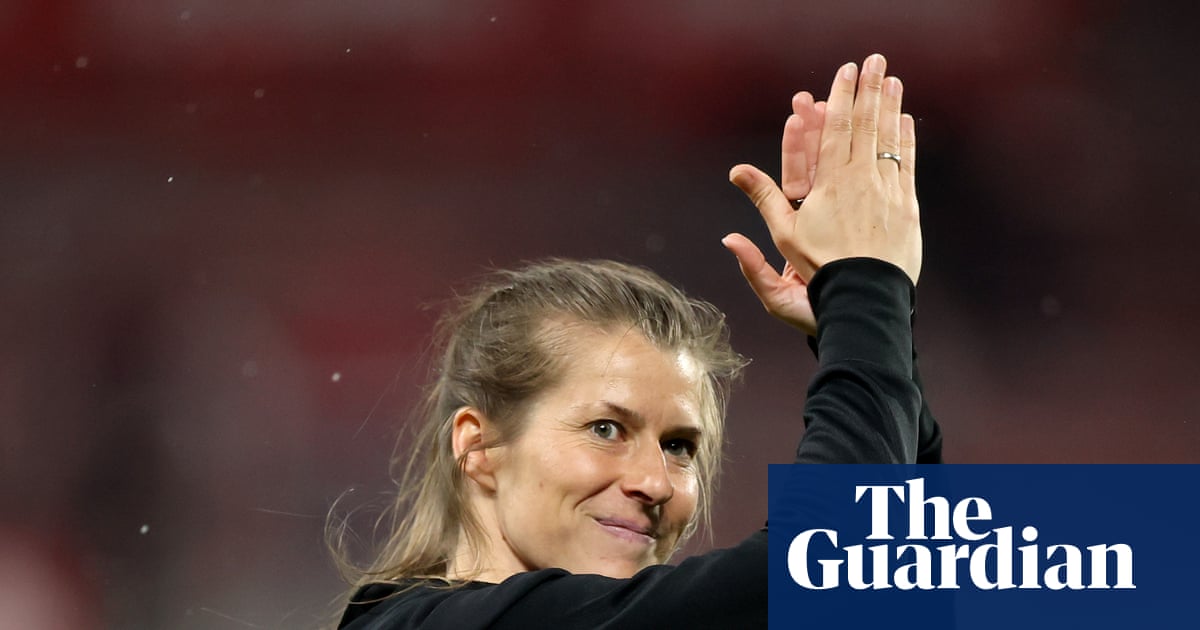
Why Marie-Louise Eta's 4-3-3 shift is working at Union Berlin
1 day, 4 hours ago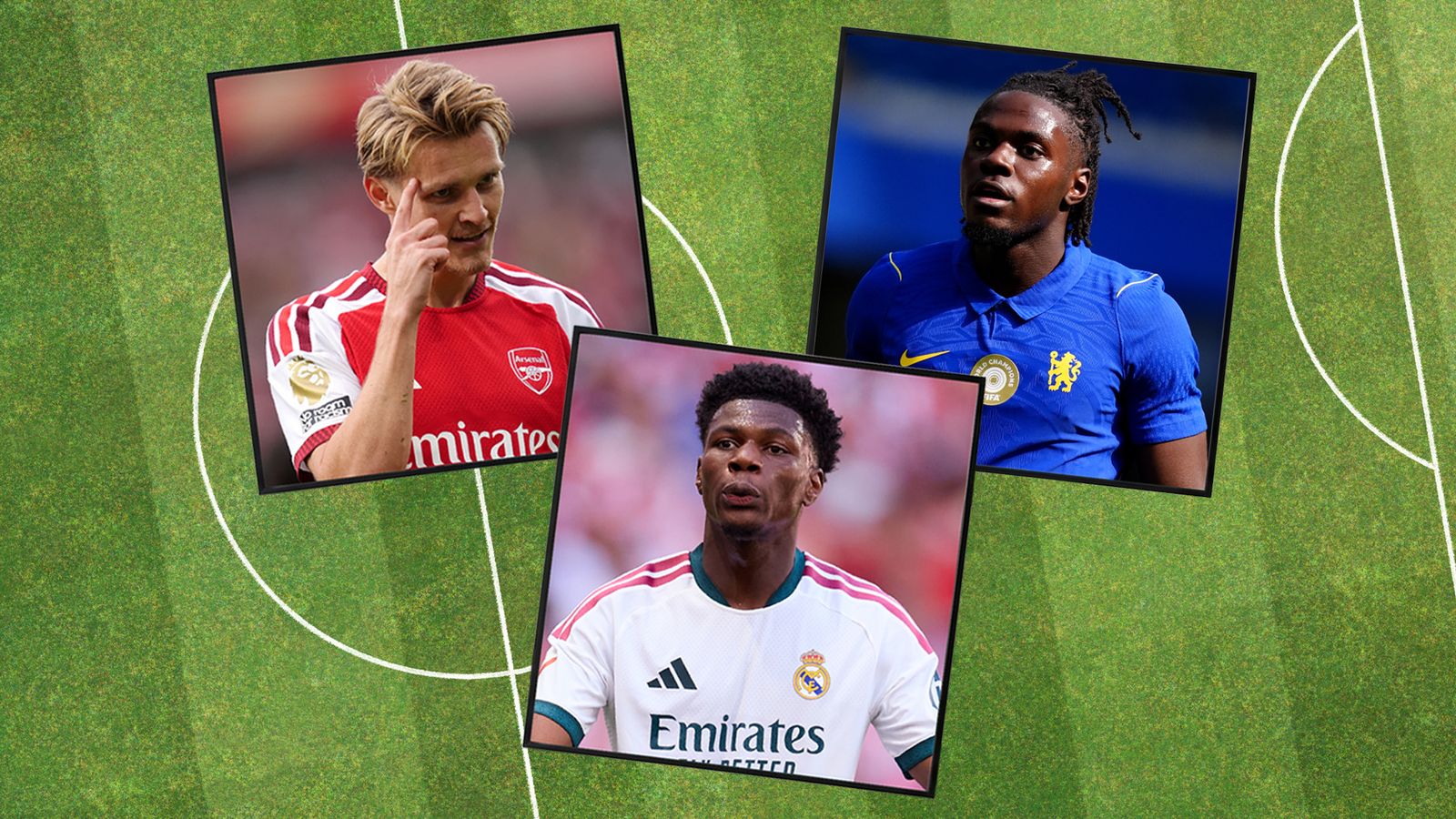
Why Martin Odegaard and Premier League Stars Are Obsessed With VR
1 day, 4 hours ago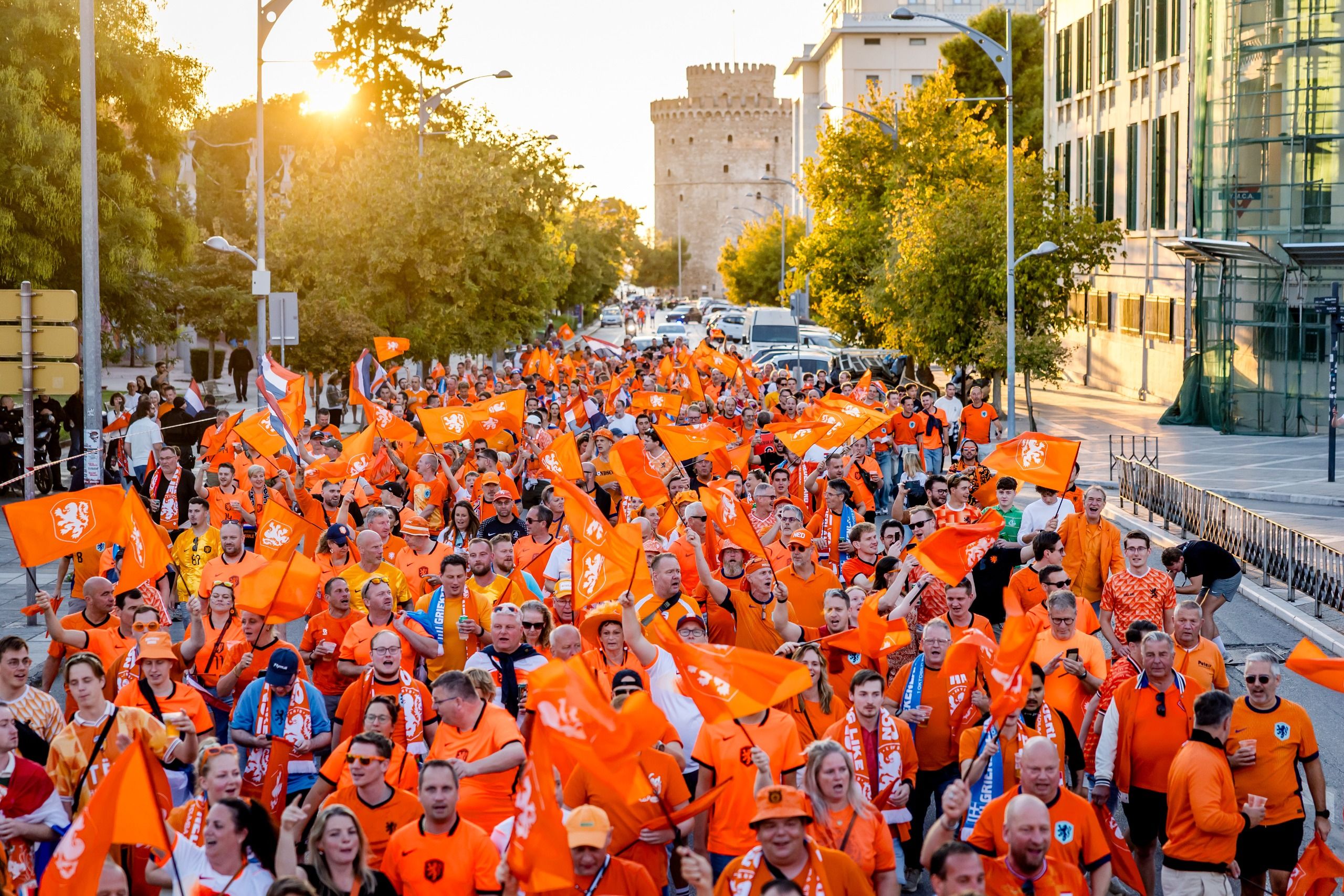
Frenkie de Jong's return gives Xavi the ultimate Dutch tactical engine
3 days, 13 hours ago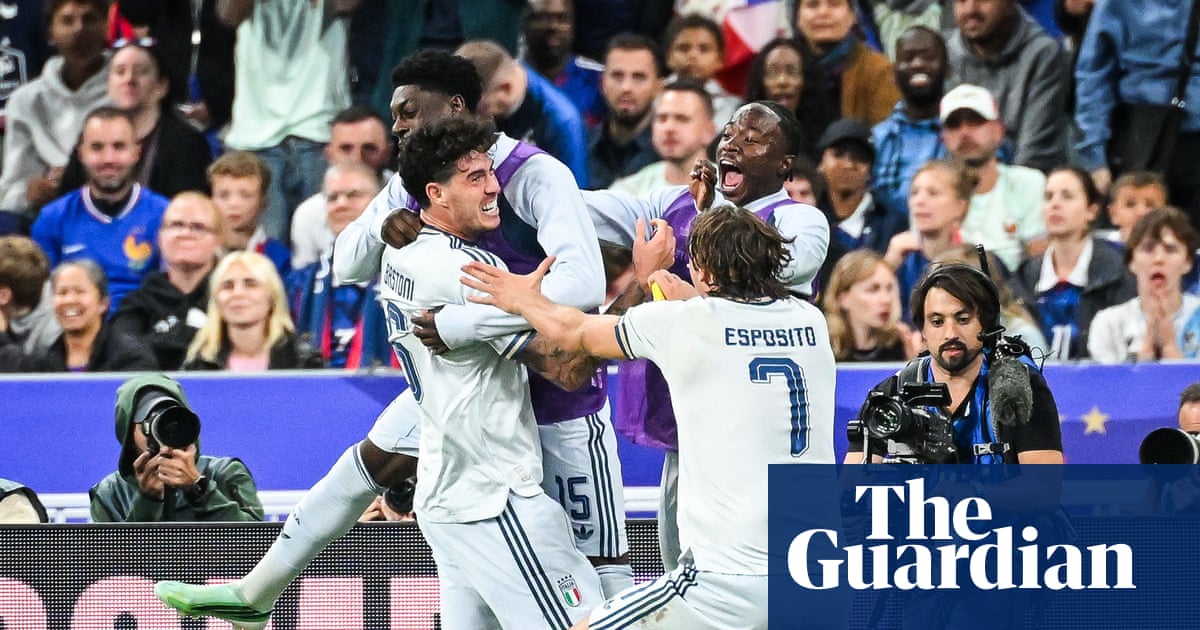
Zidane's France debut exposed structural issues talent cannot fix
4 days, 19 hours agoMore Analysis
Portugal are about to play their best football in a decade without Ronaldo
5 minutes ago
Top 10: World Football's Biggest Storylines, Scandals, and Shocks of 2026
21 hours ago
Why Marie-Louise Eta's 4-3-3 shift is working at Union Berlin
1 day, 4 hours ago
Why Martin Odegaard and Premier League Stars Are Obsessed With VR
1 day, 4 hours ago
Northern Ireland Turning Into 2004 Chelsea Is Peak Nations League
2 days, 6 hours ago