Germany's knockout path started with a late-game panic
Deniz Undav needed exactly 45 minutes to turn a potential group-stage disaster into a statement win. Entering the pitch as a second-half substitute against Ivory Coast, his impact was immediate. While Germany dominated possession, they lacked the clinical edge required to dismantle a defensive structure that relied on raw athleticism and tactical discipline.
The numbers behind the comeback
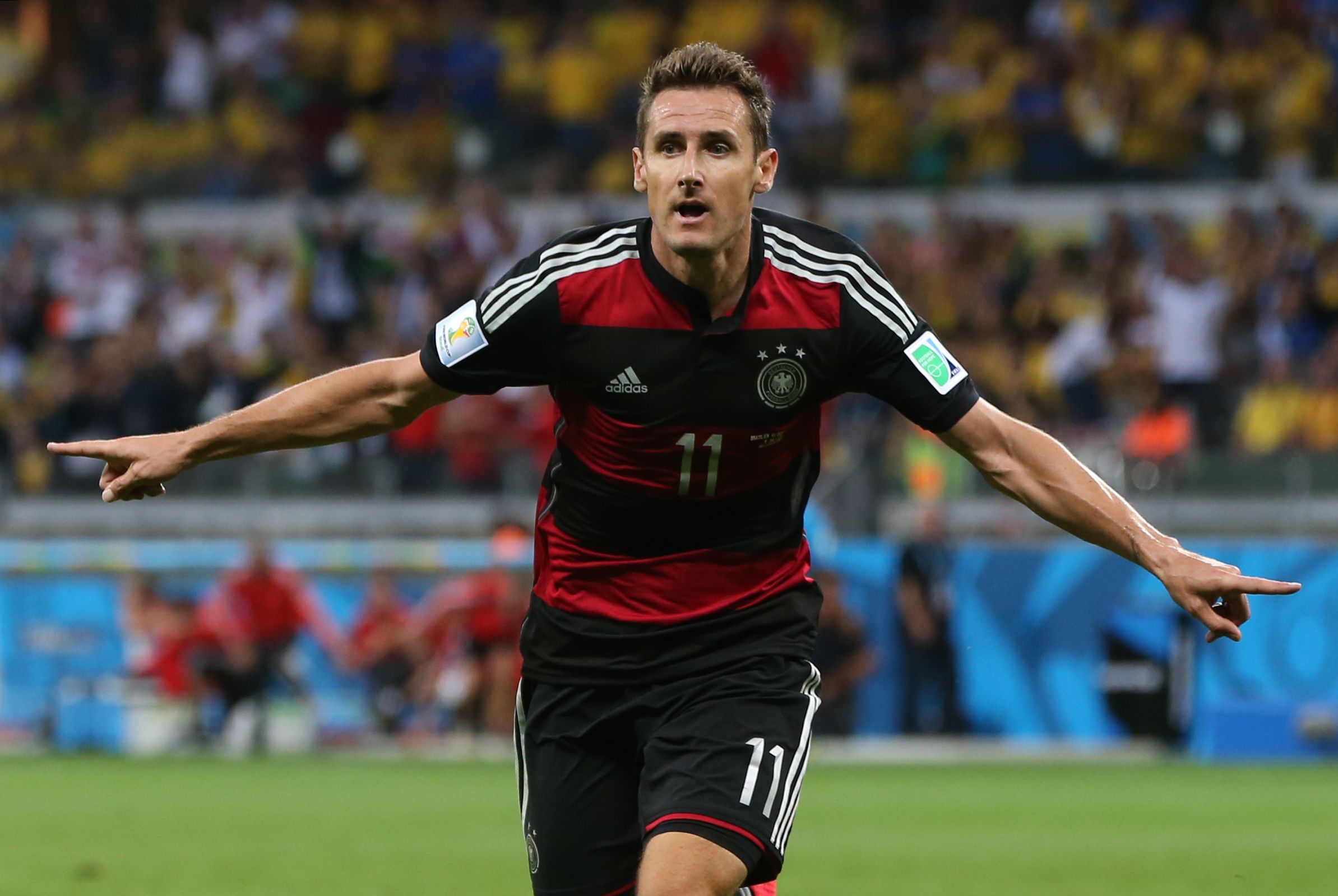
Ivory Coast took a shock lead through Diomande, exposing a vulnerable German high line that looked identical to the one dismantled by Brazil in the 2014 World Cup. Germany’s struggle wasn't just technical; it was a lack of precision during the final third transition. By the time Undav leveled the match, he had registered more touches in the penalty area than the starting striker had managed in over an hour of play.
The winning sequence came late, pushing Germany into the knockouts with a 2-1 scoreline. A controversial ruled-out goal earlier meant Germany had to rely on Undav’s clinical finishing, which accounted for 100% of their second-half goals. It is a damning indictment of the starting XI's efficiency that they required a bench player to rescue 3 points in a game they were expected to control.
Tactical gaps and the bench reliance
The reliance on super-subs to salvage results is becoming a signature of this German squad. In games like the recent fixture at Toronto Stadium, the tactical rigidity in the first half created significant spacing issues. While the pundits—including a rare TV appearance by Gary Lineker—focused on the intensity of the Ivory Coast press, the real story was the failure of the initial starting plan.
- Undav recorded 2 goals in 45 minutes of action.
- Germany secured their place in the knockout stages with this win.
- Ivory Coast's Diomande earned plaudits despite the loss for his defensive work rate.
This isn't the first time Germany has struggled to adapt early. The dependency on Undav exposes a core systemic issue: without his intervention, the team currently lacks a focal point capable of converting high-volume possession into tangible output. If they hope to progress past the next round, the coaching staff needs to find a way to replicate that intensity from the opening whistle rather than relying on desperate second-half adjustments.
Read Next
- Germany snatch late winner as Undav breaks Ivory Coast deadlock
- Ivory Coast goalkeeper injury stoppage disrupts Germany clash
- Turkey's World Cup exit is a masterclass in choking
- Ecuador vs Curaçao was a classic 0-0 snoozefest
- 🏆 World Cup 2026 — Full Coverage Hub
- 🇩🇪 Germany World Cup 2026 — Die Mannschaft Hub