Tactical collapse meets physical fragility
The Czech Republic’s exit from the 2026 World Cup was not a singular accident of bad luck. It was a failure of depth and physical durability that became obvious during their final group stage match against Mexico. Managerial decisions were hampered by a lack of available rotation options, leaving a exhausted squad susceptible to the second-half defensive collapse reported by The Guardian.
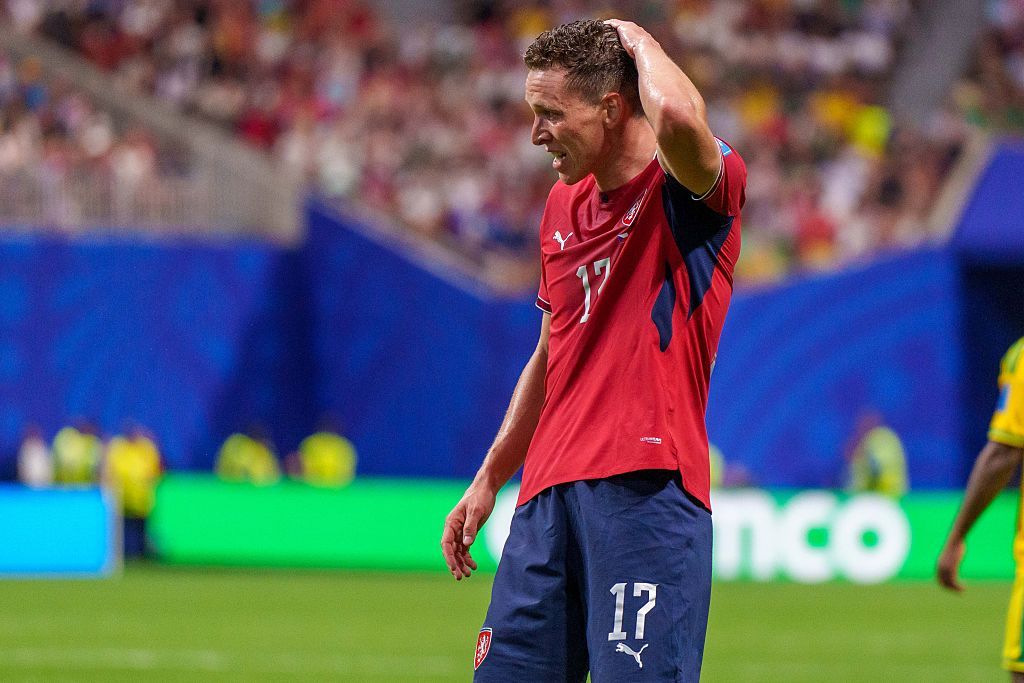
By the time Fidalgo slotted in the deciding goals, the Czech backline was effectively running on fumes. The intensity required to keep pace with the hosts proved too much for a side nursing several minor but restrictive soft-tissue issues throughout the tournament window. When a squad lacks the engine room depth to withstand the fatigue of a high-stakes group tournament, technical ability remains irrelevant once the sixty-minute mark passes.
The cost of limited rotation
Entering the match against Mexico, the Czech medical staff had to manage a precarious situation. Several core midfielders were flagged for muscle tightness following the second round of fixtures. This limited the coaching staff's ability to press the ball high up the field, a tactical necessity when facing a team as dangerous on the break as Mexico.
As noted by BBC Sport coverage, failing to secure a rotation piece for the central defensive mid role created a vacuum that the opposition exploited repeatedly in the second half. Relying on an aging veteran core for back-to-back 90-minute shifts in the Mexican heat is a recipe for the exact type of performance decay witnessed on Wednesday evening.
Historical patterns of failure
This is not the first time a European side has underestimated the physical toll of a host nation’s climate and the lack of deep, tournament-ready personnel. In previous cycles, mid-tier squads often relied on a rigid starting eleven that could not withstand the natural physical degradation of a three-game group schedule.
The strategic implication here is clear: national teams must stop viewing injury depth as a luxury and start viewing it as a prerequisite for progression. When teams are forced to deploy players at 85% physical capacity, they invite tactical errors that top-tier teams like Mexico do not let slide. The discrepancy between the Czech output in the first half and their capitulation in the second is a direct indictment of their conditioning plan.
The road ahead for the squad
The immediate resolution for the players involved is a mandatory period of recovery after an admittedly grueling physical experience. While the Czech Republic has been eliminated, the individual medical dossiers of these athletes are now a primary concern for their respective club teams. Expect internal audits of why this specific group struggled to maintain high-intensity output after the opening match.
Observers like those on the BBC pundit panel correctly identified that the squad’s ceiling was lowered both by limited personnel and the inability to refresh the lineup in response to the tournament's demands. Moving forward, the Czech FA must prioritize youth integration to provide an insurance policy against this exact scenario. Without a broader base of match-fit utility players, they will continue to fall short when the physical intensity spikes in the final group games.
Operational assessment
The failure to qualify for the next round is rarely about one single missed tackle or a poorly timed substitution. It is the end result of cumulative physical fatigue that renders a game plan obsolete. The Czech strategy relied on holding firm, but they lacked the necessary stamina to sustain that pressure for 90 minutes against a high-tempo opponent.
For fans, the disappointment of an early exit is compounded by the feeling that this team never hit its true peak of fitness. The data clearly shows that once the speed of play increased, the ability for the Czech team to close down spaces vanished. It creates a worrying trend where minor knocks are treated as non-issues until they manifest as match-deciding vulnerabilities in the most crucial moments of a tournament campaign.
Ultimately, the squad finished the group stage with 0 points from their final push, highlighting the catastrophic nature of their late-game fatigue. This isn't just a matter of personnel but of planning. If teams cannot manage the body’s recovery cycles during the compressed format of a World Cup, they remain ineligible for serious contention. The Czech Republic will now have to look toward a massive overhaul if they intend to survive the physical standards of the 2028 qualification cycle.
Read Next
- Tomas Soucek injury leaves West Ham scrambling
- Stagnation for Mexico as Czech Republic stalemate frustrates
- The post-match press room is officially a dumpster fire
- Scotland’s Miami malaise is a tactical failure waiting to happen
- 🏆 World Cup 2026 — Full Coverage Hub
- 🇲🇽 Mexico World Cup 2026 — El Tri Hub