
Chelsea are selling their foundation to fund their confusion
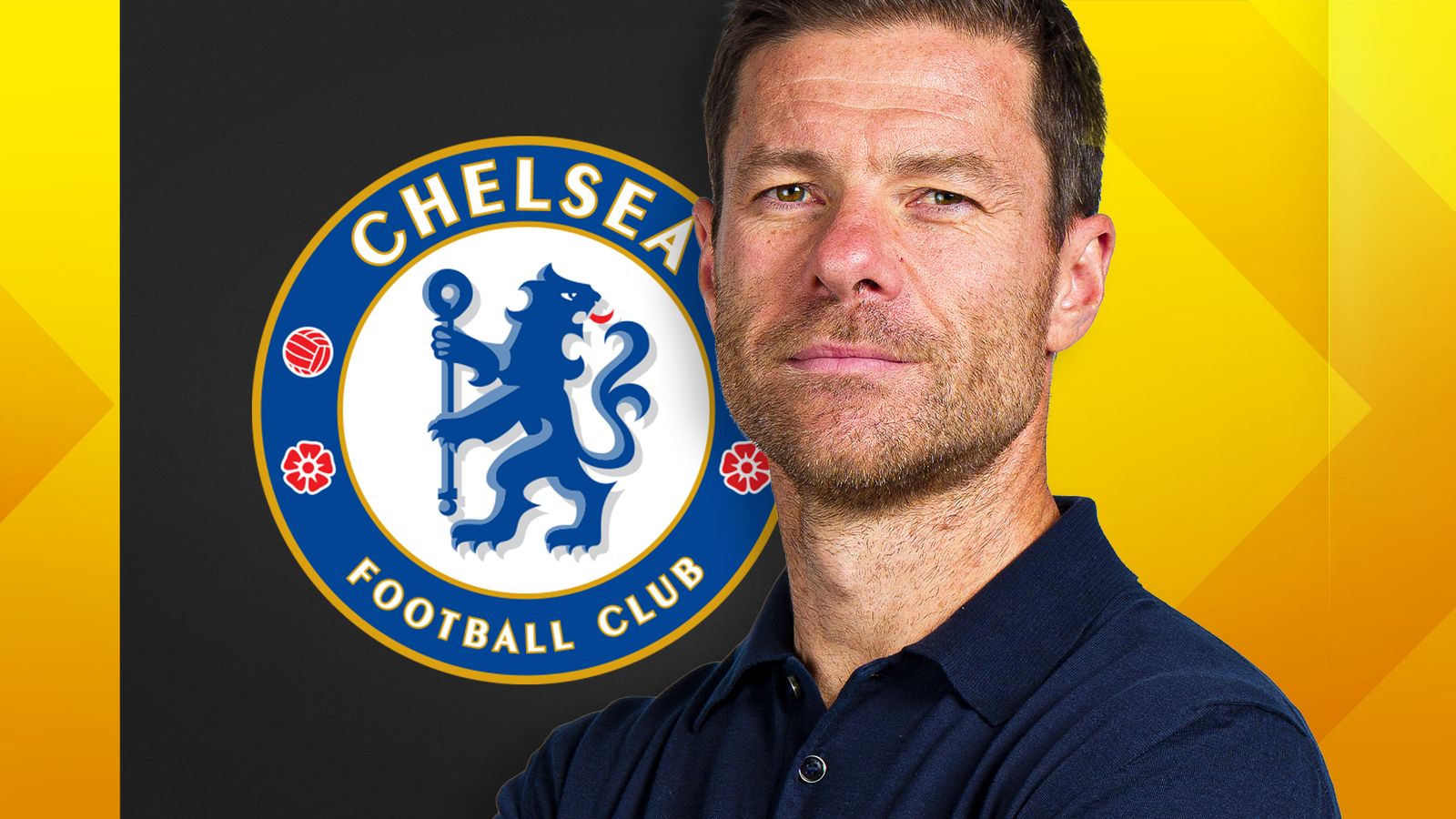
The Chalobah exit marks a tactical low point
The news that Chelsea have reached an agreement to send Trevoh Chalobah to Como feels less like a strategic personnel adjustment and more like an admission of administrative failure. Chalobah represents something increasingly rare in West London: a homegrown defender who understands the specific physical requirements of the Premier League. Selling a reliable, versatile squad player to balance the books for future gambles is a repetitive cycle that has yielded little in the way of tangible progress.
Watching the latest developments at Stamford Bridge confirms the persistent disconnect between the scouting department and the bench. While the club pursues high-profile targets to ignite the attack, they continue to gut the backline of homegrown stability. This approach mirrors the tactical confusion mentioned in recent reports, where squad depth is treated as a revolving door rather than a building block.
The cost of chasing shadows
Chelsea's current recruitment strategy relies on a rapid turnover that ignores the necessity of defensive cohesion. When you look at the defensive metrics from the previous campaign, the team consistently struggled with spacing during transition moments. Replacing a player like Chalobah, who demonstrated a 88% pass completion rate under pressure in his last full season, with external prospects who have no experience in this division is a risky gamble.
The club is prioritizing potential transfer fees over the tactical utility of keeping a settled back four. There is a disconnect between the boardroom objective of asset liquidation and the manager's need for a functional defensive unit. By clearing out academy graduates to accommodate new arrivals, the club risks losing the identity that defines their most successful periods. A squad cannot survive on high-potential newcomers alone; it requires the kind of reliability that Chalobah provided during his tenure.
Why the numbers don't add up
Focusing on pure profit and loss ignores the hidden costs of constant restructuring. The club's recent history shows that churning the roster does not automatically result in improved defensive output. In matches throughout 2025, the team allowed an average of 1.4 expected goals against per 90 minutes, a number that rarely improved despite the influx of new defenders. The primary issue is not the lack of talent but the lack of continuity.
Selling a defender in their prime years to chase players who may not even fit the starting formation is poor resource management. If the goal is to stabilize the club after eighteen months of inconsistency, they should be retaining players who understand the pressure of the environment. Instead, they continue to prioritize the flash of a new signing over the security of a known quantity. This is a short-sighted strategy that treats the match-day squad as a spreadsheet rather than a collection of moving parts that need to function in unison.
Pep Guardiola: The Evolution of a Master-Class Manager by A.P. O'Connor
A deep dive into the tactical brain of the Premier League's most iconic manager.
Frequently Asked Questions
Which club has signed Trevoh Chalobah from Chelsea?
Why is Chelsea’s decision to sell Chalobah being criticized?
What defensive metric highlights the team's struggles in 2025?
How did Trevoh Chalobah perform in his last full season?
What is the primary flaw in Chelsea's current recruitment strategy?
More Coverage
The Europa League is officially the most entertaining tournament in football
3 hours ago
Top 10: Top Moments
8 hours ago
Newcastle's double-pivot collapse at Leeds exposes Jaissle's tactical flaw
8 hours ago
FIFA's three-week September window is a tactical disaster waiting to happen
9 hours ago
Xabi Alonso returning to Anfield headlines a wild Carabao Cup draw
14 hours ago
Son Heung-min changed what it means to be an elite Premier League forward
21 hours agoMore Analysis
Xabi Alonso returning to Anfield headlines a wild Carabao Cup draw
14 hours ago
Arsenal's defensive nightmare gets worse while Chelsea sweat over Joao Pedro
1 day, 22 hours ago
Leeds tore Newcastle apart, and Daniel Farke's plan is finally clicking
2 days, 8 hours ago
Raheem Sterling's guilty plea marks a grim new low in a rapid career decline
2 days, 9 hours ago
Cyle Larin is turning Southampton's Spygate nightmare into a promotion charge
2 days, 13 hours ago