The High-Stakes Shift at San Siro
Ruben Amorim's honeymoon period at AC Milan lasted just five games before reality set in. The campaign opened with two victories, capped by a fluid performance against Venezia that promised energetic, dominant football. But that optimism quickly evaporated as Milan recorded consecutive away draws against Juventus and Lazio before falling in a disappointing Europa League defeat to Benfica.
The midweek European loss hit hard, as Milan fell into a two-goal deficit and never threatened to mount a comeback. The performance raised immediate questions about Amorim's selection decisions and overall game management. As MilanNews reported on the growing crossroads, a sharp gulf has emerged between the proactive football Amorim promised and the passive product delivered on the pitch.
What makes this moment critical is how fast Amorim altered his stance. Before kick-off against Benfica, the Portuguese head coach struck an unyielding tone during his interview with Sky:
"I prefer doing this type of work because it means a lot to me: if I have to fail, it’s better if I fail big. I want to help this club. I don’t know if I’ll have the time, but the players listen to me a lot in training, and that gives me hope that solutions can be found."
Just 90 minutes later, following a listless performance, Amorim walked back that uncompromising philosophy when speaking to the same broadcaster:
"I’m constantly changing. That’s my feeling. Sometimes I have to start with a base. We have two months of work. We lost today, but we’ll definitely find solutions to try to adapt in certain matches, because we need to create an idea. I’m still working."
Shifting from high-minded idealism to tactical survival mode in a single evening shows how fast pressure mounts in Milano. After two months of training work, Amorim realizes that rigid philosophy must yield to immediate match results.
Tactical Missteps, Heavy Rotation, and Isolated Stars
The primary source of frustration lies in Amorim's constant lineup tinkering. Rather than establishing a settled starting eleven to build muscle memory, he has repeatedly rotated his squad. Deploying Ruben Loftus-Cheek, Pervis Estupinan, and Filippo Terracciano in high-stakes environments backfired, disrupting team cohesion when tactical stability was required most.
These rotational experiments exposed clear technical limitations across the pitch. Too many players looked uncomfortable receiving the ball under pressure, settling for safe backward passes instead of attempting line-breaking deliveries. The off-ball movement remained static, leaving ball carriers isolated and forcing Milan into predictable, low-tempo possession cycles that opponents easily contained.
Younger contributors like Alpha Cisse have highlighted the squad's stylistic dilemma. While Cisse managed two goals in early action, his overall play revealed a player slow on the ball, holding possession too long and lacking dynamic movement. When backup options struggle with basic tempo, forcing heavy rotation only compounds team friction.
The clearest victim of this structural breakdown is Gonçalo Ramos. Arriving as Milan's most expensive signing in history by some distance, the Portuguese forward has effectively been rendered invisible. Ramos showed flashes of his movement and registered multiple scoring chances against Venezia, but he has gone consecutive matches without registering a single shot on goal.
Isolating your flagship center-forward is an unpardonable coaching flaw. Ramos relies on sharp service inside the penalty box, yet Milan's slow buildup allows opposition defenders to double-team him with minimal effort. Without rapid ball progression from midfield, his movement in the final third goes completely unrewarded.
Furthermore, Amorim's signature 3-4-2-1 formation is struggling due to asymmetric squad profiles. In central attacking zones, only Christian Pulisic has demonstrated the tactical awareness required to operate efficiently in the half-spaces. When other attackers occupy those pockets, the play stalls, forcing Milan out to the flanks without proper overload support.
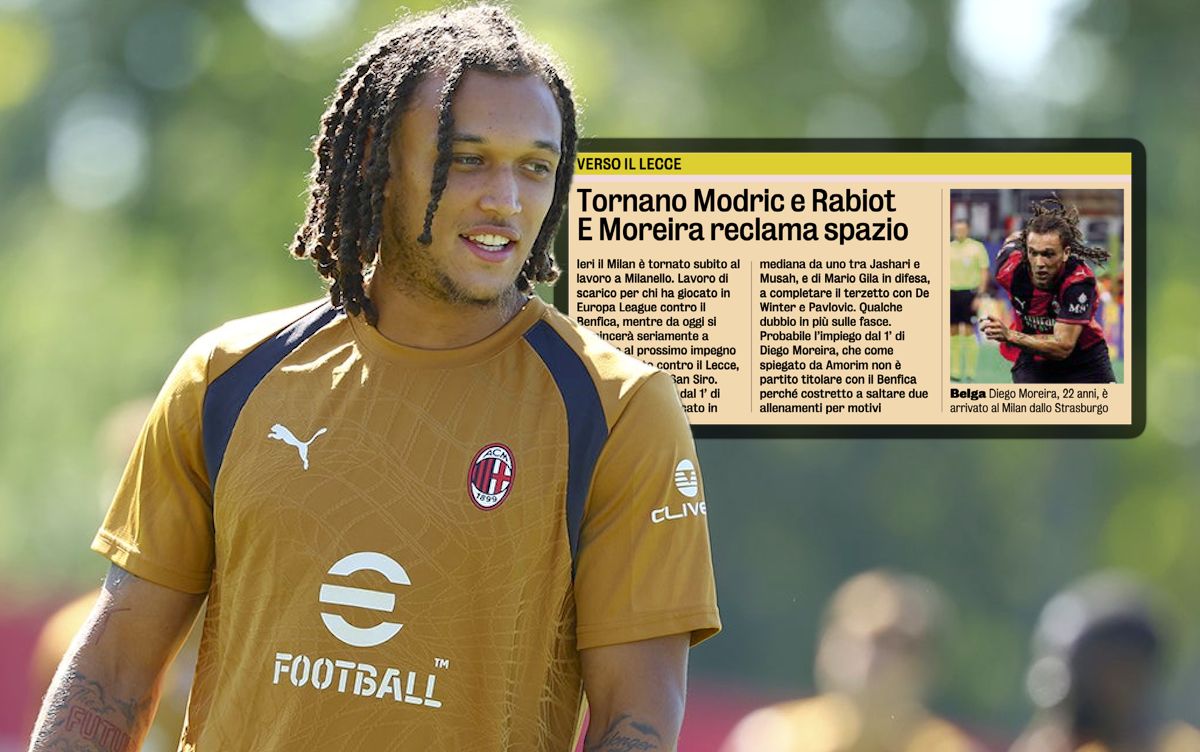
To remedy this breakdown, tactical adjustments must be made to stretch deep defenses. As SempreMilan's tactical breakdown outlined, deploying Diego Moreira out wide while placing Alexis Saelemaekers and Pulisic in close proximity to Ramos provides the technical fluidity necessary to create regular service for their marquee striker.
The Counterargument: Media Overreaction or Real Alarm?
While concern is understandable after a European setback, writing off Amorim's project after five competitive matches represents a classic media overreaction. Evaluating a new manager in a demanding league requires historical perspective and realistic tactical context.
Context matters when judging early results. Earning away draws at Juventus and Lazio represents respectable damage limitation for a squad adapting to a completely new tactical framework. Few teams visit Turin or Rome and dominate possession while learning new operational patterns on the fly.
Tactical overhauls require patience. Even world-class tacticians like Pep Guardiola required two full seasons to reshape Manchester City to his exact specifications. Expecting Amorim to transform Milan into a dominant machine in eight weeks is unrealistic, especially given the squad's inheritance flaws.
The manager cannot be blamed for summer structural oversights. Amorim cannot simply pivot to a traditional back four because management failed to sign natural right-backs. Similarly, shifting to a two-striker formation is unsustainable over a full campaign when the roster contains only two recognized center-forwards.
Responsibility for this early friction must be shared by executive management. Those who directed summer recruitment left distinct structural holes that restrict Amorim's flexibility. As highlighted on SempreMilan's Bonus Podcast with Oli and Ben, European defeat accelerated external panic, but domestic progress requires evaluating squad limits alongside coaching decisions.
Midfield balance remains another area where squad profile mismatch hinders tactical execution. Integrating Adrien Rabiot, Yunus Musah, Luka Modric, and Samuel Chukwueze has produced inconsistent central defensive coverage. When Milan lose possession in forward areas, this midfield group struggles to track back rapidly, leaving defenders like Strahinja Pavlovic and Koni De Winter exposed to direct counter-attacks.
The Three-Week Reset and Winter Transfer Demands
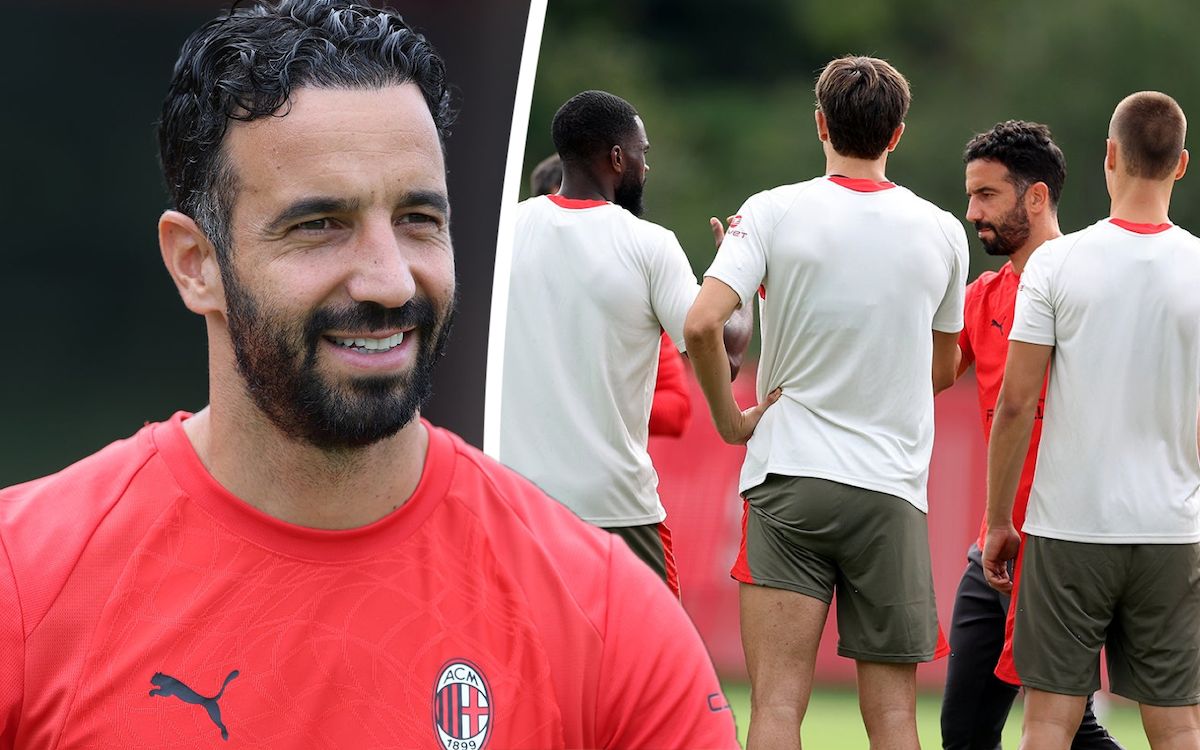
Amorim now enters a vital three-week fixture break to evaluate his squad alongside his technical staff. This window provides the manager with his first real opportunity to pause, review tape, and abandon failing tactical experiments in favor of a settled foundation.
The immediate priority for Amorim must be establishing a core backbone. By selecting a fixed group of five or six core starters who offer reliable tactical guarantees and leadership, he can build match rhythm. Careful rotation can then occur around this established spine rather than swapping half the outfield lineup every weekend.
Some tactical analysts suggest tweaking the setup into a 3-5-1-1 or a compact four-man midfield to bolster central control. Adding extra midfield density alongside Rabiot and Musah could protect the backline while giving Pulisic freedom behind Ramos. However, any formation change requires commitment rather than weekly experimentation.
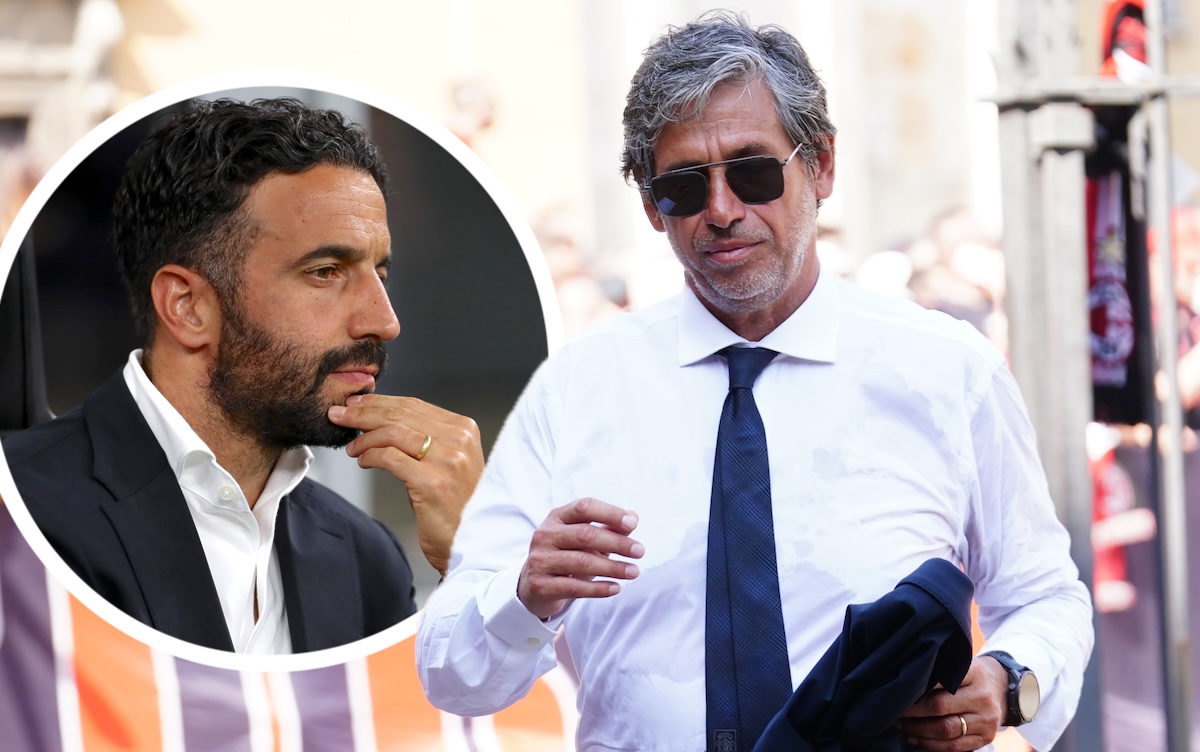
Beyond tactical tweaks, executive support will be required to finish rebuilding the roster. Club owner Gerry Cardinale oversaw significant summer spending and intends to step into the market during the winter window to address obvious missing profiles. Winter additions will be essential if Milan intend to sustain a dual domestic and European campaign.
The upcoming stretch before the January transfer window will determine the trajectory of Milan's season. If Amorim settles his starting eleven, provides width to feed Ramos, and tightens midfield transitions, Milan can stabilize their league standing. But if heavy rotation and static possession continue, no amount of winter investment will save his San Siro tenure.
Read Next
- AC Milan's Europa League gamble backfires instantly against Benfica
- Ruben Amorim's first-half goal drought leaves AC Milan with no margin for error
- Ruben Amorim Is Already Running the Classic Excuses Playbook at AC Milan
- Ruben Amorim's heavy rotation against Benfica is a dangerous gamble
- ⚽ Serie A 2025-26 — Title Race Hub (Inter, Napoli, Juve, Milan)