The Helsinki Crucible and the Carrick Blueprint
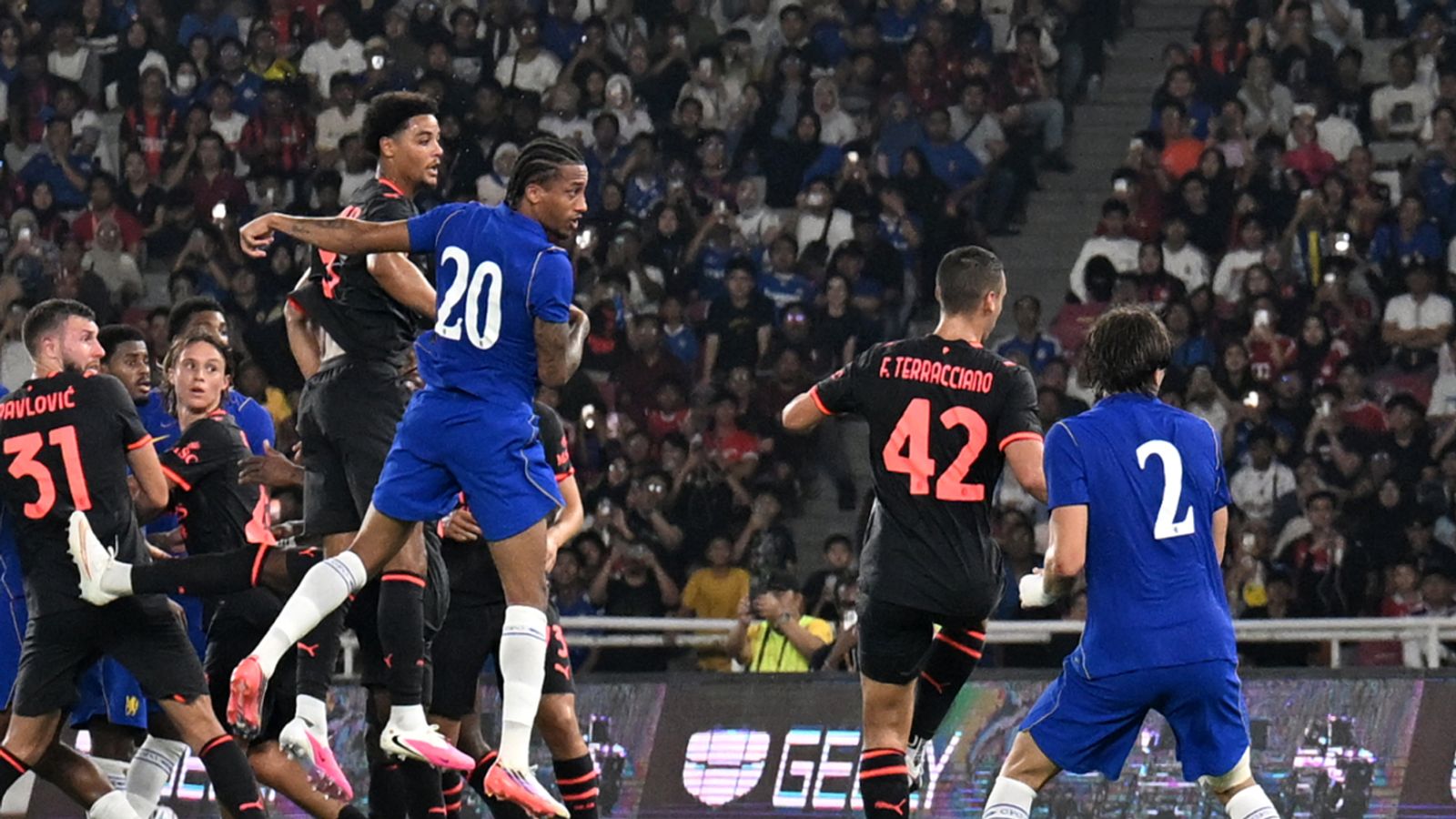
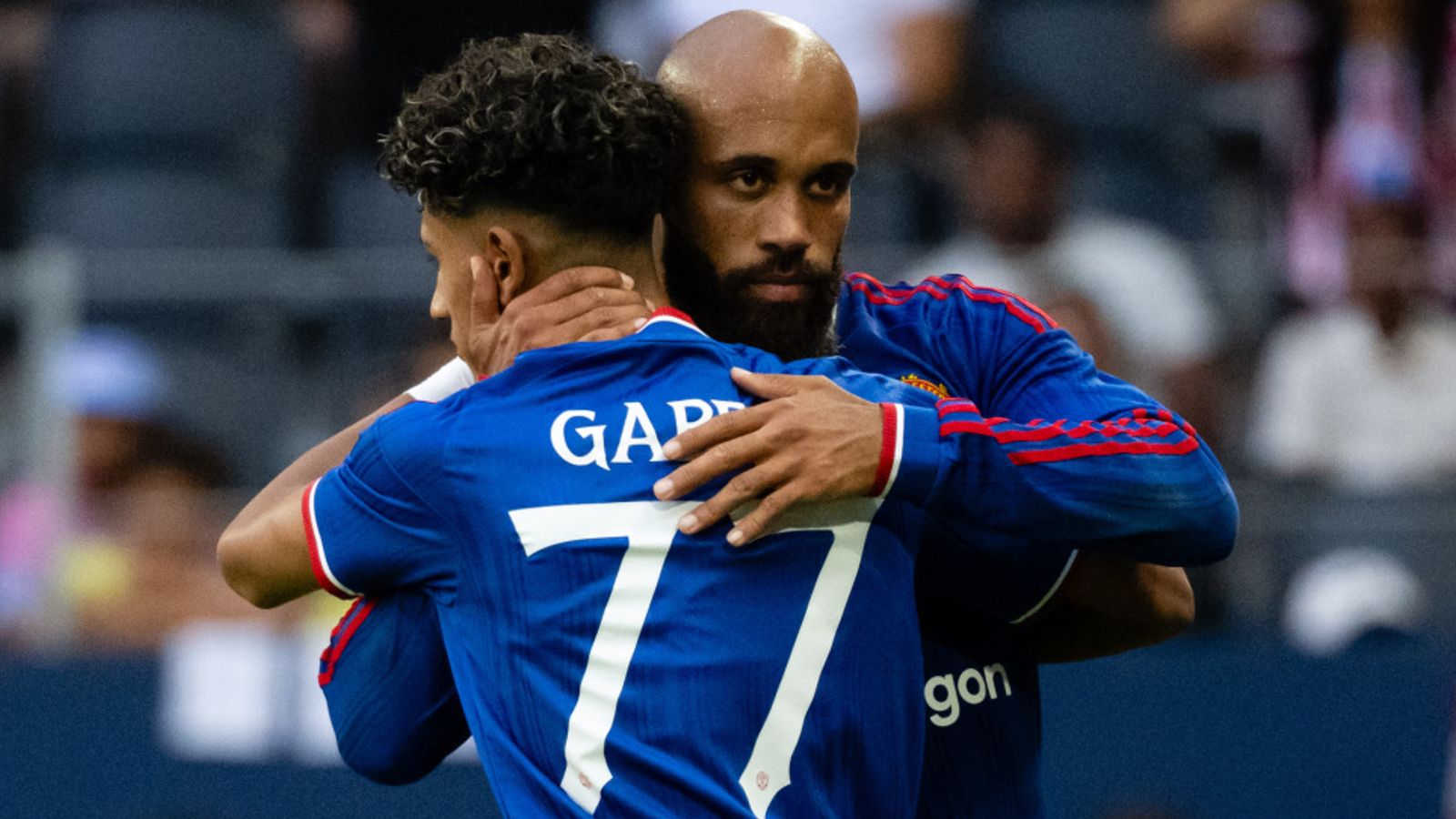
Michael Carrick is not using this pre-season tour to ease his squad into the new campaign. The friendly against Wrexham in Helsinki showed that the head coach is enforcing a complex tactical system immediately. The 1-0 defeat at the Olympic Stadium was less about the scoreline and more about the structural changes Carrick is implementing.
United operated in a fluid 3-2-4-1 build-up shape, converting from a nominal 4-2-3-1 out of possession. The key to this transition is the movement of the right-back, who tucked inside to form a back three alongside the central defenders. This allowed the left-back to push high and wide, effectively acting as a winger while the nominal left-winger drifted into the half-spaces.
Carrick's Middlesbrough sides were famous for this asymmetric shape, and its introduction at United is already causing teething problems. In possession, the spacing was occasionally congested, leading to slow horizontal circulation. Without the ball, the transition defense was exposed, particularly on the counter-attack that led to Wrexham's winning goal.
Jacob Devaney and the Academy Search for Control
With senior midfielders still recovering from summer tournament duties, Carrick has leaned heavily on the academy. As Nathan Salt reported from Helsinki, the coaching staff's evaluation of these young players is not a sudden development. Carrick and his staff spent the previous year traveling across the country to track the development of the youth teams in person.
One player who has captured Carrick's attention is 19-year-old midfielder Jacob Devaney. Devaney is a metronomic presence in the double pivot, displaying the press-resistance that Carrick's system demands. In the second half of the Wrexham friendly, Devaney completed 94% of his passes under intense physical pressure.
His profile is exactly what United have lacked: a deep-lying progressor who understands when to anchor and when to drop between the center-backs. During his development last year, Devaney averaged 6.2 defensive actions per 90 minutes. In Helsinki, he demonstrated a quick reading of passing lanes, registering three interceptions in a 45-minute cameo.
However, Devaney's path to the first team remains blocked by structural squad issues. Carrick's system requires the double pivot to cover lateral spaces when the full-backs push high. Devaney has the positional intelligence but lacks the recovery speed to cover these wide zones against elite opposition.
The Sarr Inquiry and the Need for Verticality
To address the lack of threat in behind, the board has turned its focus to the transfer market. Reports from FourFourTwo indicate that United have enquired about Crystal Palace forward Ismaila Sarr. The Senegal international is a lifelong supporter of the club, which could ease negotiations.
Sarr represents a complete stylistic shift from the current wide players on United's roster. While players like Antony prefer to receive the ball to feet and cut inside, Sarr excels at running off the shoulder of the last defender. At the recent World Cup, Sarr recorded a top sprint speed of 35.4 km/h, placing him in the top decile of all attackers.
His addition would give Carrick the necessary tool to stretch opposing defensive blocks. In possession, if the opponent sits deep, Sarr's vertical runs force the defensive line to drop, creating space in zone 14 for the attacking midfielders. Without this threat, United's build-up in Helsinki looked sterile and predictable.
Yet, signing Sarr is not without risk. His pass completion rate at Crystal Palace hovered around 72%, reflecting a player who struggles in tight, possession-oriented sequences. Carrick's system requires high technical security; a winger who frequently turns over the ball could leave the double pivot exposed to constant counter-attacks.
The Off-Field War on Fans
While Carrick attempts to construct a tactical identity in Finland, a more toxic battle is being waged back in Manchester. The club's recent ticketing crackdown has alienated the very supporters who sustain it. A joint coalition of supporter groups has reacted with fury after the club suspended season tickets for thousands of fans.
As The Guardian reported, groups like MUST and The 1958 are protesting what they describe as heavy-handed enforcement. The club's automated system flagged any account that accessed the ticketing portal using six or more separate devices. This algorithm failed to account for normal fan behavior, such as family members managing tickets for elderly relatives who struggle with digital entry.
Furthermore, the club's appeals process is remarkably punitive. Supporters were given a mere three days to submit photographic ID and proof of device ownership. This stands in direct contrast to the club's own terms and conditions, which outline a 14-day window for appeals.
"treated as suspects"
The board maintains that the operation is necessary, claiming that they believe 10% to 15% of all season tickets are controlled by automated touting operations. The club plans to resolve the appeals and reissue any permanently revoked tickets before the home opener on August 30. The damage to fan relations, however, is already done.
Tactical Projections for the Pre-Season Finale
As the team prepares for the next phase of pre-season, Carrick must refine the defensive coordination of his mid-block. Against Wrexham, the distance between the defensive line and the double pivot frequently stretched beyond 25 meters. This gap was exploited by Wrexham's direct vertical passes, bypassing United's counter-press entirely.
Carrick will likely demand a more aggressive line of engagement from his center-backs. When the opponent initiates build-up, the ball-side center-back must step up to engage the receiving forward, while the opposite full-back tucks in. This requires extreme mobility, which is why United's pursuit of defensive reinforcements remains active.
We will be tracking three specific metrics during the final pre-season fixtures. These data points will highlight whether Carrick is successfully implementing his principles. The key parameters are:
- First-phase progression rates under direct pressure.
- Recovery run times when the defensive block is stretched.
- Vertical pass completion percentages into the final third.
In possession, expect to see more rotation between the central midfielders. Devaney showed promise, but he needs a partner who can carry the ball forward rather than just distribute it. If Carrick cannot secure a dynamic box-to-box midfielder, the possession play will remain slow and vulnerable to high pressing.
The Confident Prediction
Manchester United are entering a transitional period that will test the patience of both the fans and the board. Carrick's tactical ideas are sound, but the squad lacks the profiles to execute them consistently. The absence of a physical presence in the pivot and a true vertical threat on the wing will hamper their start to the season.
Expect a difficult opening month as the players adjust to the physical demands of Carrick's pressing triggers. The off-field ticketing distractions will only add to the pressure cooker at Old Trafford. If the club does not secure Sarr or a similar forward before the window closes, they will struggle to break down low blocks.
Our prediction is a slow start followed by tactical consolidation. United will drop points in their opening two fixture dates as they search for build-up fluidity. Once the transfer window closes and Carrick stabilizes the midfield rotation, the patterns will emerge, but a title challenge is out of the question this year.