The Midfield Void at Old Trafford
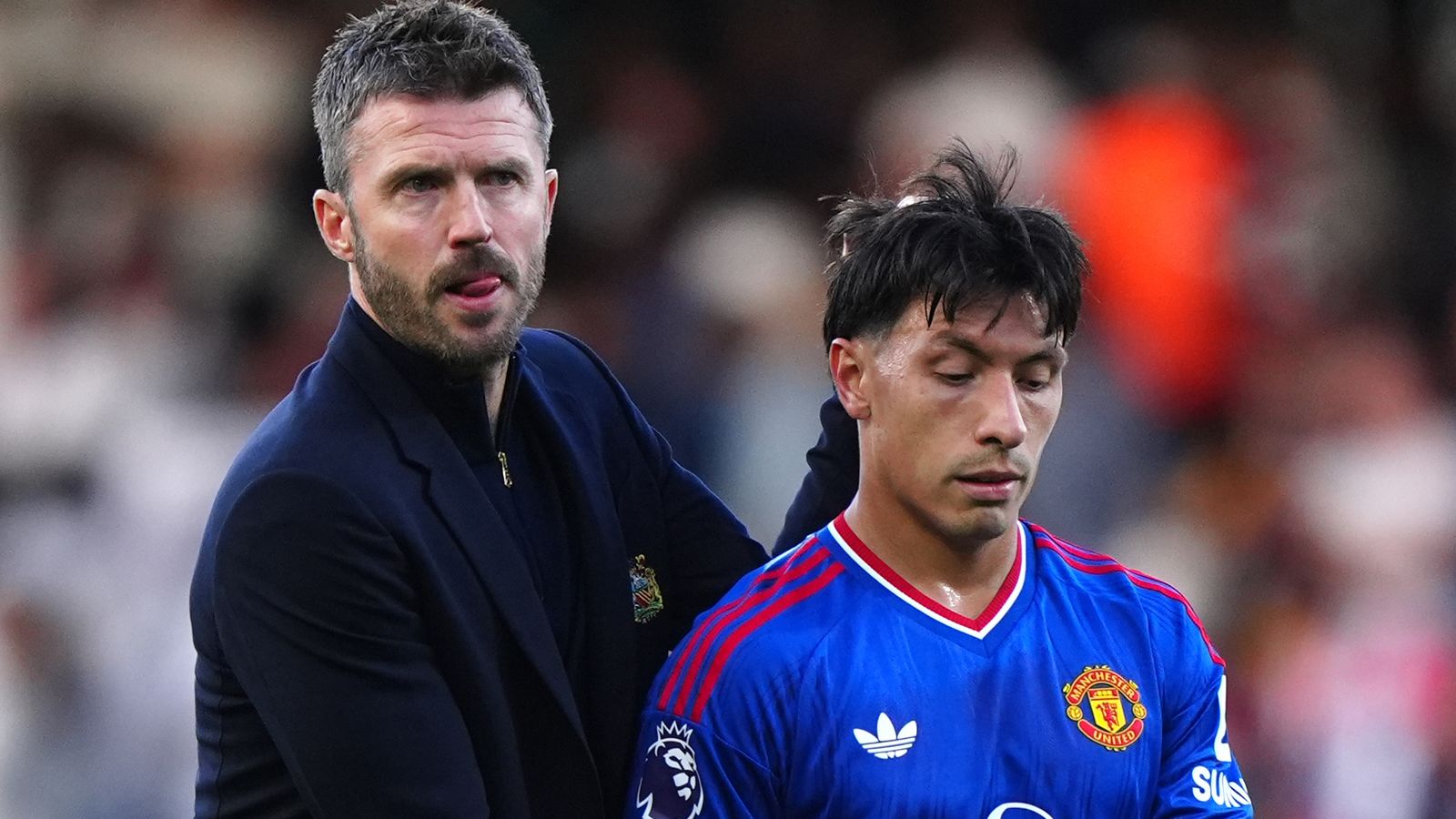
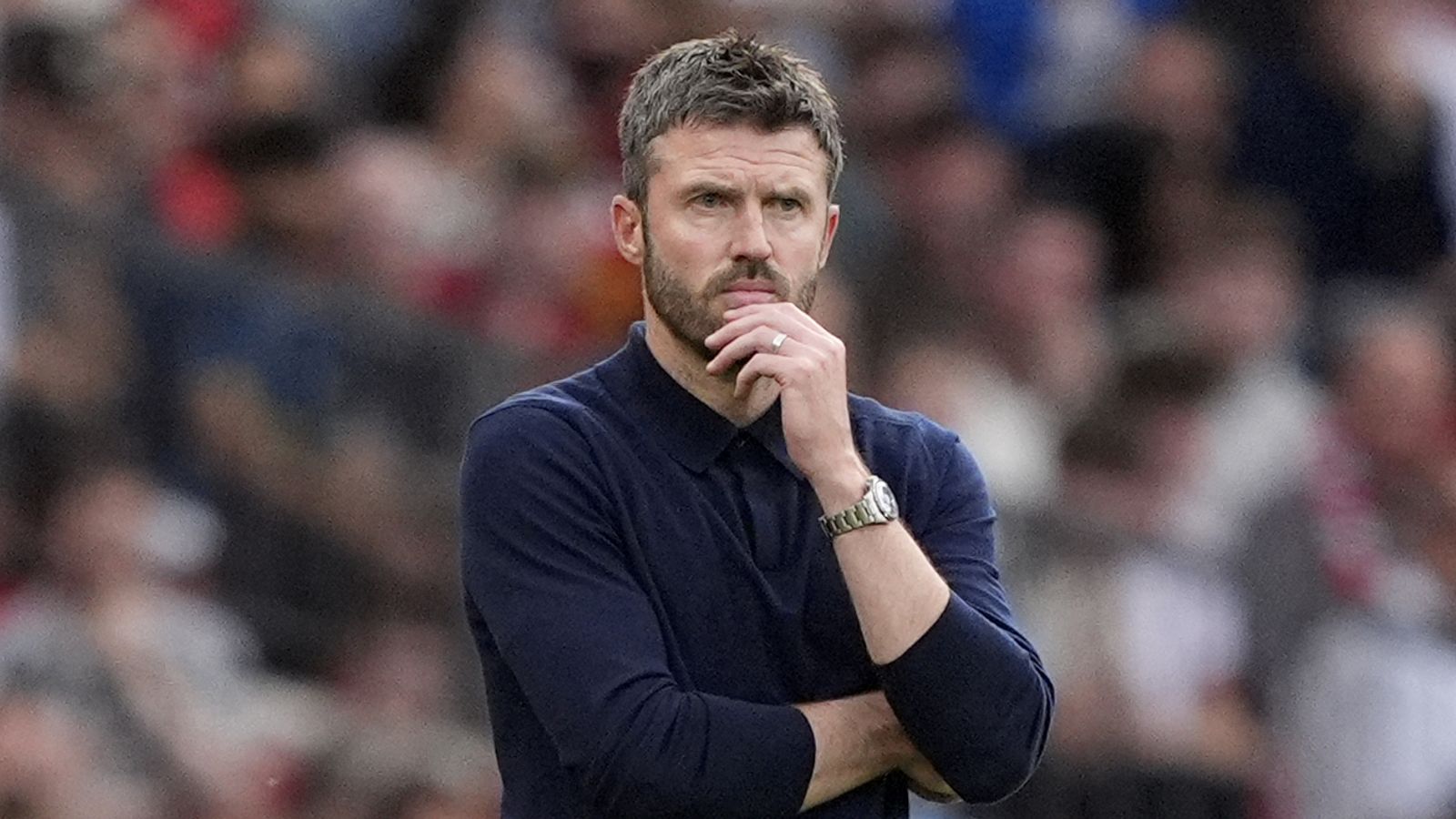
Michael Carrick reaches this autumn international break needing answers rather than rest. Manchester United have drifted through their opening matches with a disjointed midfield that struggles to shield the back four. The structural gaps between the lines have left defenders exposed whenever possession turnover happens in central zones.
The combination of Kobbie Mainoo and Youri Tielemans provides composure on the ball. Yet neither possesses the raw recovery speed to scramble back when opposition counter-attacks ignite. United look crisp in possession sequences, but turn paper-thin the second they are forced to run toward their own goal.
That dynamic was laid bare during recent matches where central space turned into a freeway for opponent runners. Opposing managers have instructed their side-midfielders to tuck inside and exploit the vast pocket behind United's double pivot. Without a dedicated ball-winner, Carrick's defensive block breaks down under sustained pressure.
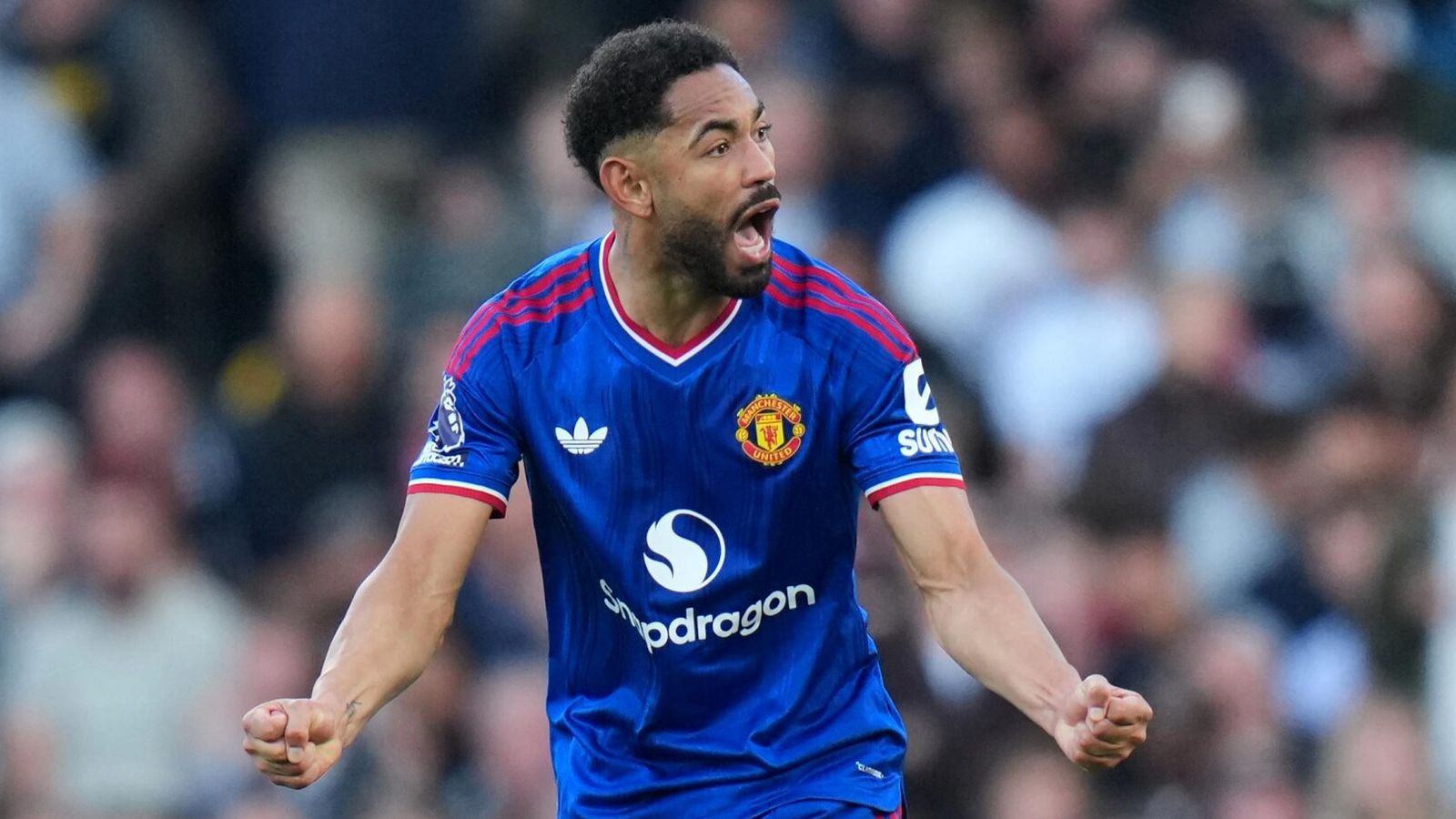
Enter Carlos Baleba. As Mirror Football reported, former striker Louis Saha pointed directly to the £70 million summer signing from Brighton as the pivot around which United's entire campaign turns. Baleba was forced to wait weeks for his full integration after arriving at Old Trafford, but his return changes everything.
Saha framed the situation without hesitation. He insisted that United need an aggressive presence capable of driving through lines rather than playing safe side-to-side passes. The Frenchman highlighted that Baleba brings a distinct physical profile that neither Mainoo nor Tielemans can duplicate.
Former United forward Louis Saha emphasized the strategic shift Baleba represents in central midfield:
"Manchester United's season will only truly begin once Carlos Baleba is fit enough to be the starting, first-choice midfielder in the team. He brings more power to the game than Kobbie Mainoo or Youri Tielemans, who are both great footballers, but Baleba has a greater engine and can take this team to a higher level."
United's inability to win second balls in the central third has restricted their attacking fluidity. Without defensive stability behind them, the front line operates under constant fear of turning the ball over. Baleba's strength lies in erasing those defensive transitions before they threaten the back four.
Derby Scars and Refereeing Offside Mechanics
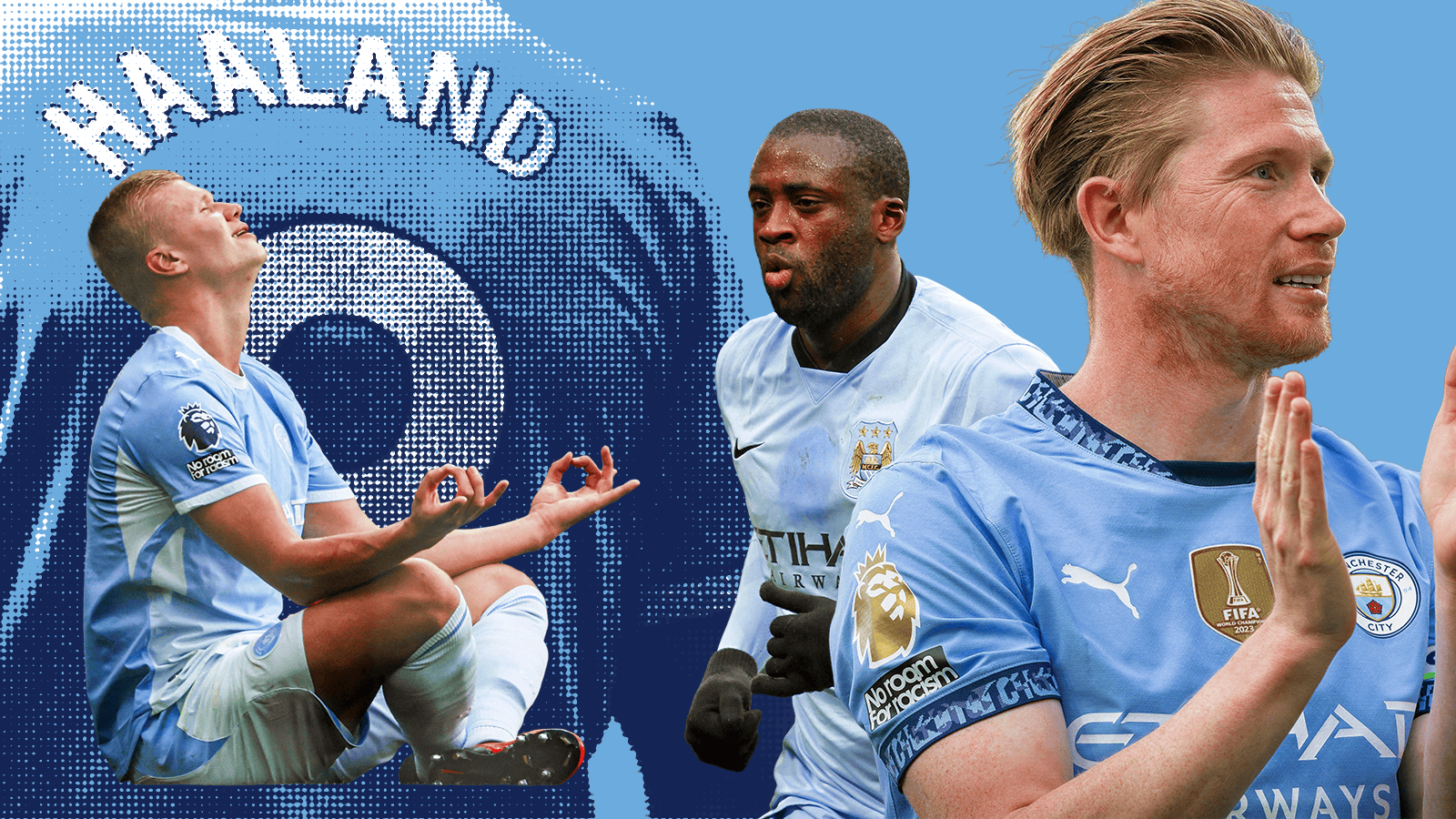
The frustration around Old Trafford reached boiling point during the Manchester derby defeat. Erling Haaland's decisive winner stood after a controversial VAR check overturned the original on-field offside ruling. City midfielder Enzo Fernandez was positioned in an offside location during the shot phase, directly impacting the defensive line's line of sight.
Pro Ref chief Howard Webb subsequently admitted to an officiating error and sent a formal apology to the club. Yet Carrick was in no mood to treat written regrets as a substitute for dropped points. The United boss made his feelings clear when addressing the media before the international break.
Carrick dismissed the utility of retrospective corrections while maintaining his faith in officiating technology:
"Listen, one-off things can happen. I've got faith in [the system] of course... [but] the apology doesn't mean an awful lot."
Carrick added that while he respects officials for admitting mistakes, the squad must adapt quickly. "I can appreciate it and I respect them for putting their hands up and saying 'we got that wrong'. It happens. Moving forward, we just have to deal with what's thrown in front of us."
Yet focusing purely on VAR errors obscures United's underlying tactical vulnerabilities in that derby. Carrick's side surrendered territory far too easily during the final twenty minutes of the match. Relying on marginal offside calls to protect a narrow margin is a symptom of a team lacking control.
United allowed City to build sustained pressure in the final third without contesting secondary balls. The midfield failed to step up and compress the space outside the penalty area, leaving defenders pinned near the six-yard box. Blaming refereeing decisions feels comfortable, but the game was lost in midfield transitions long before Haaland struck.
Baleba's Tactical Profile: Unlocking Carrick's Attackers
Replacing Casemiro's tactical legacy requires more than simple defensive work rate. For years, Casemiro acted as the defensive anchor at Old Trafford, recovering loose balls and firing immediate forward passes to the frontline. Baleba brings a similar forward-thinking instinct, combined with elite ball-carrying capability.
Saha noted that Baleba's ability to drive forward under pressure can liberate United's attacking unit. When central midfielders refuse to take risks, wingers and strikers become isolated on the flanks. Baleba breaks opposition pressing traps by using his physical power to carry the ball straight through the first line of defense.
According to analysis from Louis Saha, this progressive passing attitude creates instant space for United's forwards. "He can be like Casemiro, who was not a dribbler but he was able to get the team up the pitch and play passes high to the striker or the wingers straight away," Saha explained. "His first pass was always forward."
Saha further stressed that United possess a forward line of real killers who currently lack the freedom to play. When midfielders hesitate, attacking sequences stall, allowing opposition defenses to reset their shape. Baleba provides the speed of distribution required to catch defensive lines off balance.
With Baleba operating as the primary ball-winner, Kobbie Mainoo can shift into an advanced No. 8 role. Mainoo excels when turning in half-spaces near the penalty box rather than defending deep near his own center-backs. Placing Baleba alongside him restores natural positional balance across the central third.
Tielemans also benefits from this redistribution of tactical responsibility. The Belgian international can focus on dictating rhythm from deep without being targeted in transition defense. Carrick gains a functional midfield triangle with clearly defined roles: a destroyer-carrier, a half-space playmaker, and a deep dictator.
United's frontline has looked starved of service during the opening weeks of the campaign. Strikers have been forced to drop 30 yards deep just to touch the ball. Baleba's directness eliminates those tedious buildup phases and feeds attackers in dangerous zones.
Off-Field Distractions and Youth Academy Friction
Tactical recalibration is not the only challenge resting on Carrick's desk during this international break. News surrounding 15-year-old academy prospect JJ Gabriel has added unwanted noise to Carrington. The highly-rated attacker is reportedly pushing to leave Manchester United despite the club mapping out a clear pathway toward first-team football.
Losing top academy talent creates immediate headlines and tests a manager's authority early in his tenure. Carrick must manage internal expectations while keeping the senior squad focused on domestic results. Modern management requires navigating player pathway friction without letting it spill into matchday preparation.
The international break provides Carrick with a rare window to establish rigid pressing triggers. United's defensive line distance has varied wildly, leaving massive gaps between the center-backs and central midfielders. Closing those gaps requires rigorous repetition on the training pitch before league play resumes.
Carrick's rest defense structure needs urgent tightening ahead of a grueling autumn schedule. When United attack, their fullbacks often push high simultaneously, leaving only two center-backs to defend half-court transitions. Baleba's presence as a central anchor gives Carrick the tactical safety net required to sustain high-intensity attacks.
The tactical identity Carrick wants to build hinges on proactive aggression rather than passive containment. United cannot afford to spend another month reacting to opponent adjustments. The tools are present, but execution must match ambition when domestic action returns.
Pre-Match Tactical Blueprint and Prediction
When Manchester United return to domestic action after the break, expect Carrick to deploy Baleba from the opening whistle. Slotting the former Brighton midfielder straight into the starting XI gives United the physical edge they lacked against top-tier opposition. The midfield dynamic will instantly shift from reactive containment to aggressive forward momentum.
Watch for Baleba's positioning during defensive transitions. He will likely be instructed to plug the half-spaces instantly whenever fullbacks push forward. That functional coverage will allow Mainoo to crash the box on late runs, giving United an extra threat against deep defensive blocks.
United will face severe tests as the fixture list thickens, but Baleba's integration fixes their single biggest flaw. If Carrick allows him the freedom to carry the ball and force rapid transitions, United's front line will finally produce at their true ceiling.
My call is firm: Carrick's side will come out of this international break with renewed defensive structure and sharper vertical movement. Expect United to control central territory and secure a decisive 2-1 victory in their upcoming fixture to reignite their season.
Read Next
- Michael Carrick is running out of options before Manchester United face Fulham
- Man United's physical lethargy at Fulham exposes a team out of gas
- Marcus Rashford is back at Man United, but his career remains in limbo
- Enzo Maresca's Man City are top, but Anfield will expose their chaos
- 🏆 Europa League Final 2026 — Full Coverage Hub