Cammy Devlin and the high cost of career limbo

The mental tax of the transfer window
Professional athletes often project an image of unshakeable focus, but the reality of a pending transfer is a grind that wears down even the most seasoned performers. Cammy Devlin recently pulling back the curtain on his departure from Hearts to Rangers highlights a reality often ignored by fans: the weight of a looming career decision during a high-stakes period like the World Cup. For a player aiming to represent their country on the global stage, the professional instability of being between clubs is an internal anchor that is difficult to shake.
Devlin described his final stretch at Tynecastle as "too stressful," a sentiment that speaks to the cognitive dissonance involved in performing for a club you are inevitably leaving while simultaneously preparing for international selection. When your domestic future remains unsigned, every training session carries the risk of a season-ending injury that could dismantle your market value and your personal ambitions. It is a precarious balancing act that rarely receives the sympathy it deserves from the terraces.
Tactical patience versus market reality
The decision to hold out for the move to Ibrox was a gamble that ultimately paid off, but the process highlights the inherent flaws in how squads are constructed under short-term pressures. Clubs often treat players as assets to be moved, while players are navigating their professional livelihoods in real-time. Devlin's narrative suggests that the extra time taken to secure the Rangers move was not merely a case of agent posturing, but a necessary exertion of control in a process that often strips agency away from the individual.
From a technical standpoint, the integration of a player who has spent months in mental flux is never immediate. Managers expect seamless transitions, hoping that a signing fits their system from day one, yet they ignore the emotional bandwidth consumed by the move itself. Devlin was chasing a move "that was too good to pass up," yet he had to weigh that opportunity against the immediate demand of playing at his peak for Hearts while the rumors swirled.
The hidden cost of the modern game
While the transfer was successful, we should look critically at the toll it takes on the standard of football during the transition period. We have seen Cammy Devlin's own admission of the stress involved, which implies that his output at Hearts during those final weeks was likely below his true ceiling. Fans who demand total commitment rarely consider that a player in limbo is fighting a internal battle that can sap 5 to 10 percent of their mental sharpness.
It is worth noting that while Devlin landed a high-profile move, many others in similar positions falter under the weight of expectations. His arrival at Rangers is viewed as a positive development, but the club must manage his transition carefully to avoid a "transfer hangover" where the player struggles to regain the consistency he enjoyed prior to the chaos of the swap. Keeping a player focused when the phone has been ringing for weeks is a management challenge that many coaching staffs fail to master.
Ultimately, the move to Ibrox has handed him a platform to compete for top prizes, but the process has left a mark on his perspective of the game. Professional football often hides the human side of the business. By admitting that the build-up to the World Cup was marred by the instability of his contract status, Devlin is offering a rare look at why some players underperform during pre-season or the opening of a campaign. It is a reminder that elite sport is played by people, not just squad numbers.
Read Next
- Vanja Dragojevic completes Rangers move and the strategy is clear
- Rangers are gambling the farm on Dragojevic and it might just pay off
- Rangers move for Vanja Dragojevic shows ambition despite squad fitness questions
- Cammy Devlin’s Rangers move was worth the high blood pressure
- ⚽ Scottish Premiership 2025-26 — Celtic vs Rangers Hub
adidas Starlancer Club Soccer Ball
A durable, high-visibility training ball for every surface.
Frequently Asked Questions
How did Cammy Devlin describe his final days at Hearts?
What risks do players face when they are between clubs?
Why does the transfer period impact a player's mental sharpness?
What is meant by a 'transfer hangover' for a player?
Why did Cammy Devlin wait to finalize his move to Rangers?
More Coverage
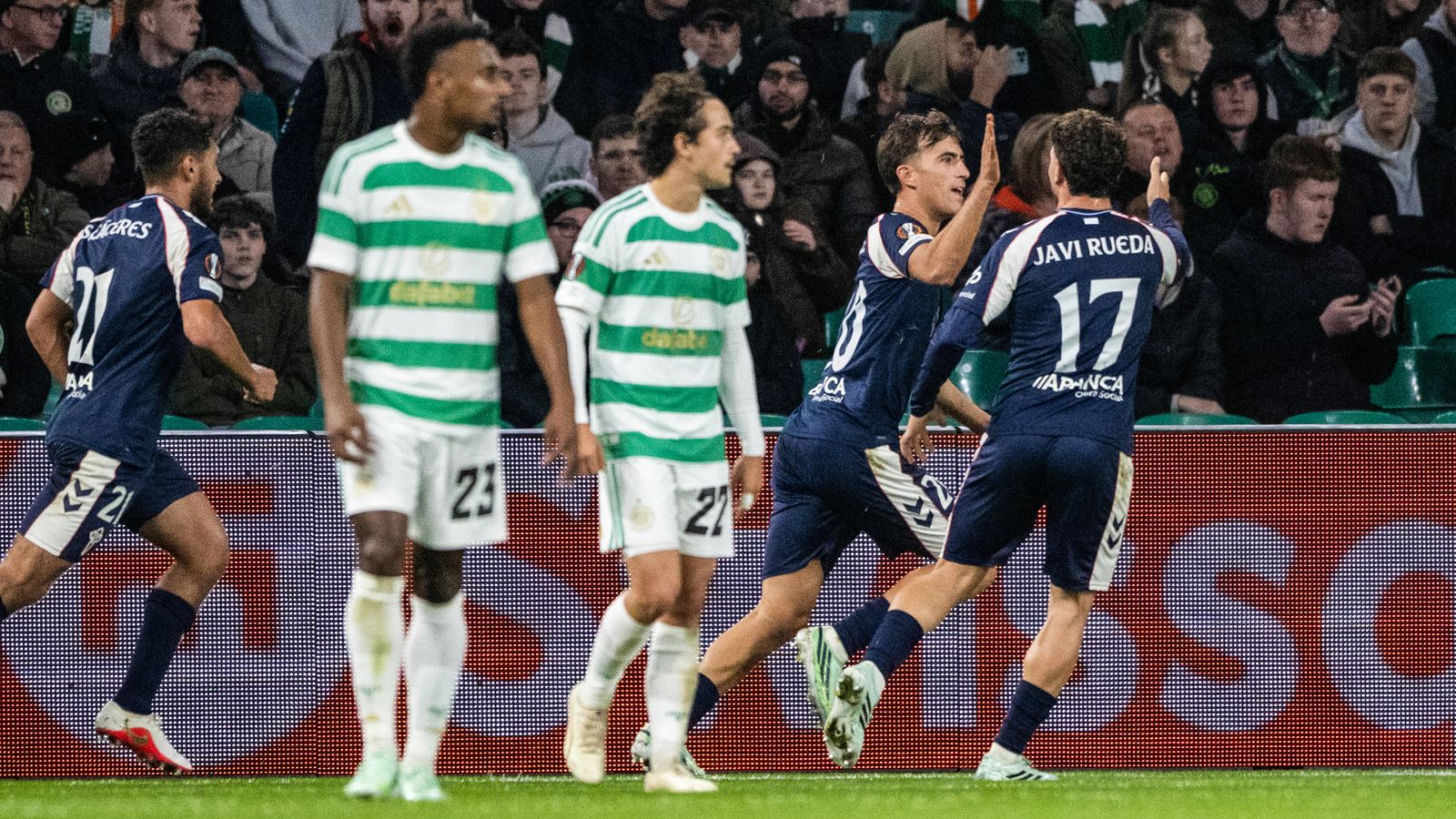
Celtic need an instant Easter Road response after collapsing against Celta
14 hours ago
Hearts face a defining European trip to Thun with survival on the line
15 hours ago
Why Brighton will track Jiri Slama after Czech stalemate
16 hours ago
Benjamin Sesko injury leaves Man United facing a January transfer crisis
1 day, 18 hours ago
Scottish Away Ticket Prices Are Out Of Control And SPFL Refuses To Act
2 weeks, 1 day ago
Why Arsenal are already planning an £84m Bundesliga transfer response
2 weeks, 4 days agoMore Analysis
Celtic need an instant Easter Road response after collapsing against Celta
14 hours ago
Hearts face a defining European trip to Thun with survival on the line
15 hours ago
Scottish Away Ticket Prices Are Out Of Control And SPFL Refuses To Act
2 weeks, 1 day ago
Dermot Desmond can't run from Celtic fans forever
2 weeks, 5 days ago
The Tennent's Sixes is back and modern sports science would hate it
2 weeks, 6 days ago