How a Seven-Day Summer Reset Revived Bukayo Saka
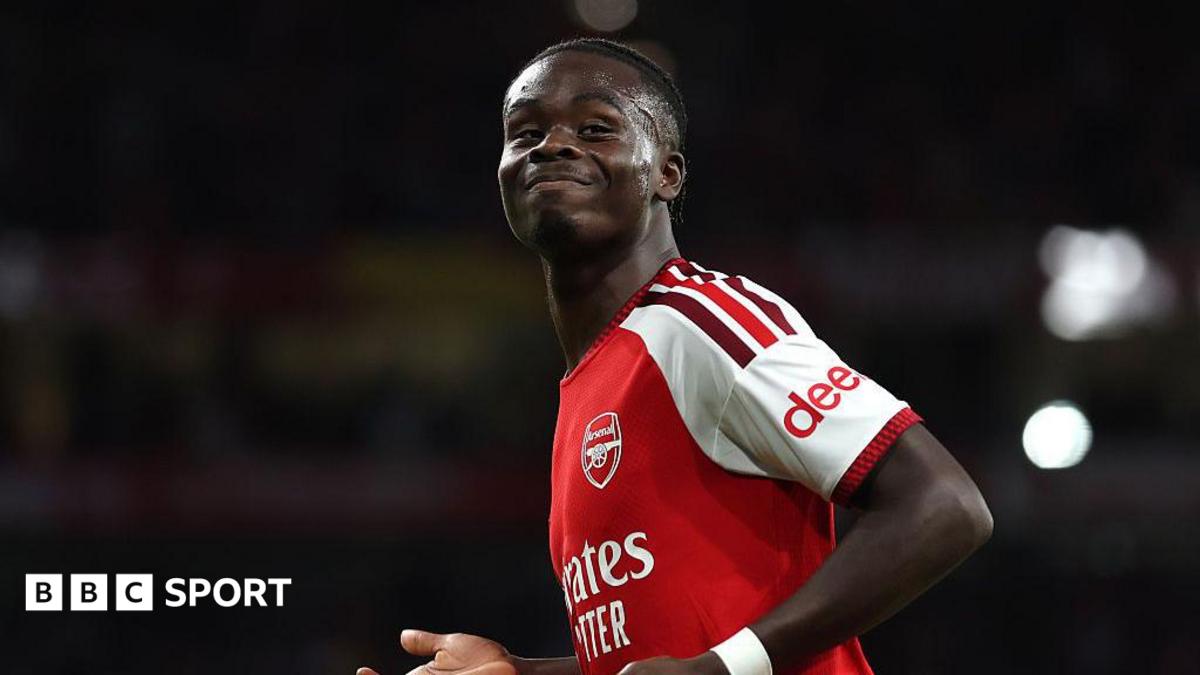
Opening a Premier League title defense brings immense pressure. Yet Bukayo Saka made it look like a light weekend jog on Friday night. Arsenal swept past newly promoted Coventry City in a comfortable 3-0 win, while Coventry left-back Jay Dasilva spent ninety minutes chasing ghost shadows on the flank.
Saka capped off a brilliant performance by cutting inside and driving home Arsenal's second goal. Watching him explode past defenders with frightening acceleration, nobody would guess his fitness was a national debate three months ago.
While most elite footballers spent their off-season lounging on luxury yachts, Saka chose an aggressive recovery schedule. He took a single week away from football before diving back into solo training sessions at London Colney.
Seven days off is an extraordinarily brief vacation for a player who carried Arsenal's attack for three consecutive campaigns. That rapid turn-around allowed him to build a physical baseline that rival defenders simply cannot match right now.
Speaking in his post-match comments after the Coventry victory, Saka explained why he cut his summer break short.
"It was more about balancing my time off and not having too much of a break. I took seven days off and then started to train again. I've put in a lot of work since then and I'm feeling good. I just tried to come back in good shape, so I'm on top of my body."
That extra work showed up instantly during the Community Shield against Manchester City. Coming off the bench with Arsenal already up by three goals, his sharp movement signaled a complete departure from the tired displays of late spring.
Against Coventry, his first-step quickness routinely tore open the opposition backline. The mid-season stiffness that restricted his lateral agility last April has completely disappeared.
By returning to London Colney early, Saka turned summer frustration into raw, early-season power. His decision to skip a long holiday looks like a masterstroke after one round of league fixtures.
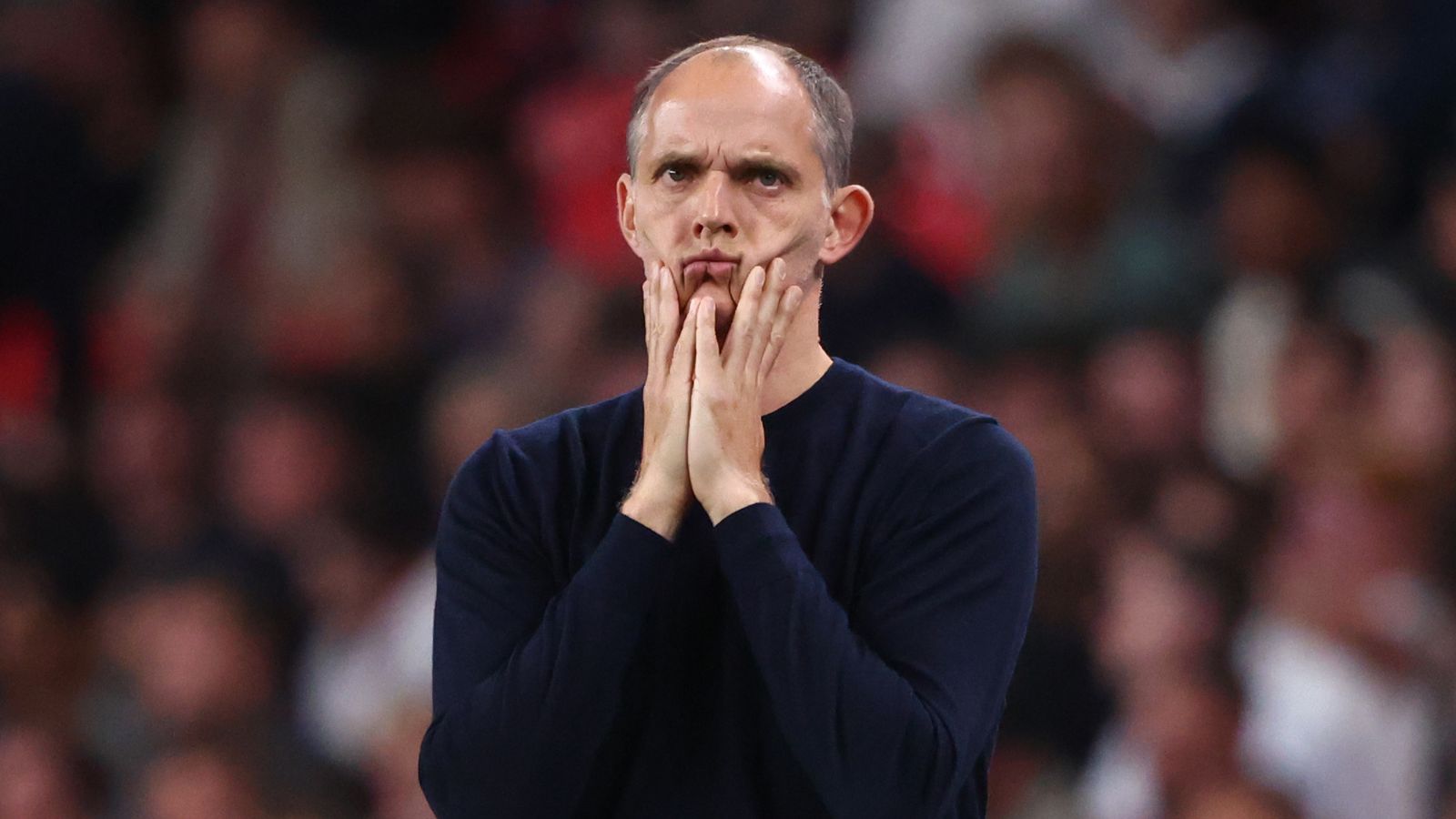
Thomas Tuchel's World Cup Caution May Have Saved Arsenal's Season
To understand why Saka is playing with such explosive energy, you have to look back at his strange summer in North America. England manager Thomas Tuchel handled Saka's tournament minutes with extreme restraint.
Saka logged just 357 minutes across England's eight matches at the tournament. That amounted to only 48 percent of the Three Lions' total pitch time on their way to securing third place.
Tuchel's caution stemmed from the Achilles injury Saka suffered in March, which forced him out of seven Arsenal fixtures. England's medical staff refused to overload him during the early group matches.
Yet despite his limited action, Saka proved to be England's most lethal offensive weapon. He recorded three goals and three assists, matching Anthony Gordon for the team high in setup passes.
His efficiency was remarkable, generating a goal involvement every 60 minutes. He started the last-16 victory over Mexico and the quarter-final against Norway, providing decisive creativity in both knockout ties.
Then came the semi-final against Argentina, where Tuchel unexpectedly left Saka on the bench. England collapsed in a frustrating defeat while their most effective winger watched from the sidelines.
Saka responded to that benching by delivering a Masterclass in the third-place playoff against France. He smashed a clinical hat-trick in a thrilling 6-4 victory, securing England's best World Cup finish on foreign soil.
Scoring three goals against France provided personal satisfaction, but missing the final left Saka burning with unfinished business. That lingering disappointment has clearly energized his start to the Premier League campaign.
"The World Cup didn't necessarily go how I wanted it to, for myself and for the team as well. I felt really hungry after the World Cup, after the season ended. I was looking forward to this new season."
There is a delicious irony in how Tuchel's strategy played out. By restricting Saka's minutes in North America, Tuchel handed Mikel Arteta a fully refreshed superstar for the domestic title defense.
What felt like an international snub in July has transformed into Arsenal's greatest tactical advantage in August. Saka gained match fitness without enduring the brutal physical toll that typically drains World Cup stars.
The Budapest Hangover and Mikel Arteta's Dangerous Reliance
Arsenal supporters spent the summer celebrating their first Premier League title in 22 years, but the final stretch of that campaign contained serious warning signs. Arsenal's heavy dependence on Saka nearly derailed everything when his body revolted in March.
Before his Achilles breakdown last spring, Saka had made 153 appearances over the preceding three seasons for Arsenal. Even more alarming, Arteta kept him on the field for 61 full 90s during that relentless grind.
Arteta treated Saka like an irreplaceable engine, starting him in almost every domestic and European game. That extreme workload eventually caught up with the 24-year-old at a critical juncture.
Saka missed the March international window and sat out seven important Arsenal matches while recovering. Although he returned to help push Arsenal over the finish line in the league, his physical sharpness was clearly compromised.
The breaking point arrived in Budapest during the Champions League final against Paris Saint-Germain. Saka looked completely exhausted on the night, struggling to beat defenders before being substituted early in the second half.
Arsenal lost that European final in disappointing fashion, and French outlets criticized Saka's quiet display. The commentary was unfair given that Saka was playing through pain, taking a physical gamble just to compete.
Saka admitted after the Mexico match this summer that he wished he had been fully healthy going into major tournaments. He acknowledged that playing through physical limitations was a tough risk he accepted for his team.
That Budapest defeat highlighted a dangerous vulnerability in Arteta's management style. When Saka is overworked and physically spent, Arsenal's entire offensive structure loses its sharp edge.
Arteta cannot afford to repeat those workload mistakes this year. If he continues to run Saka into the ground against lower-league opposition in domestic cup ties, that Achilles problem could easily re-emerge.
Arsenal must use their squad depth intelligently to shield their top talent. Defending a Premier League title demands smart squad rotation, not relentless reliance on a single winger.
Why the Restored Right-Side Triangle Changes Everything
Beyond his improved physical condition, Saka's dominant display against Coventry was powered by the return of his core teammates on the right flank. Arsenal's tactical system functions at its highest level when Saka, Ben White, Martin Odegaard, and Kai Havertz play in sync.
Ben White's overlapping runs down the right wing create immediate chaos for opposing defenders. When White overlaps, left-backs face a brutal choice: double-team Saka and leave White free, or track White and let Saka operate one-on-one.
With Martin Odegaard occupying the right half-space and Kai Havertz dragging center-backs out of position, passing lanes open up rapidly. Coventry's defensive shape collapsed as soon as those sharp combinations started flowing on Friday.
Remarkably, BBC Sport reporting notes that Friday was only the second time since December 2024 that Saka, Odegaard, and Havertz started a Premier League game together. Constant injuries had fractured Arsenal's best attacking unit for over eighteen months.
Despite those tactical disruptions and his March injury lay-off, Saka still recorded 11 goals and nine assists in all competitions last season. He produced high-level output while playing through physical limitations.
Now that his supporting cast is healthy, Saka's ceiling rises even higher. A campaign featuring 20 goals and 15 assists becomes a realistic benchmark if Arsenal maintain their tactical structure.
According to statistical analysis from BBC Sport, Arsenal's win percentage increases noticeably whenever Saka is on the pitch. He remains the central figure in Arteta's championship blueprint.
When healthy, Arsenal boast the most balanced right-sided overload in European football. The remaining task for Arteta is preserving that unit across a demanding multi-competition season.
If Arteta monitors Saka's minutes with genuine discipline, Arsenal have every tool required to keep their Premier League crown. The star winger has set the pace; his manager must now protect the engine.
Read Next
- Julian Alvarez wants out of Atletico and Arsenal needs to strike now
- Can Arsenal actually build a dynasty? The numbers say yes
- Mikel Arteta's £130m Alvarez bid is an all-in gamble Arsenal might regret
- Mikel Arteta is playing a high-stakes transfer gamble before deadline day
- 🏴 England World Cup 2026 — Three Lions Hub