The East Rutherford Meltdown: Brazil's World Cup Exit
Brazil’s World Cup dream dissolved into the New Jersey humidity three days ago. A double hamstring blow dismantled the Seleção before kickoff, paving the way for a shocking 1-0 Round of 16 loss to Norway. Carlo Ancelotti had to rewrite his entire attacking plan at the New York New Jersey Stadium.
The medical staff ruled both Lucas Paquetá and Raphinha unfit in the hours leading to Sunday’s kickoff. Ancelotti had to run out a disjointed front line without his primary transition engines. The result was a flat, passive performance that left South American fans whistling in the stands.
The tactical fallout was immediate. Brazil dominated possession but failed to puncture the disciplined Norwegian low block. The frustration peaked in the 26th minute when Bruno Guimarães saw his penalty saved by Ørjan Nyland after a lengthy VAR delay.
Without their injured starters, Brazil’s attacking play lacked any lateral speed. Vinicius Junior was frequently isolated on the left flank, double-teamed by a hardworking Norwegian defense. It looked less like samba football and more like a relegation scrap.
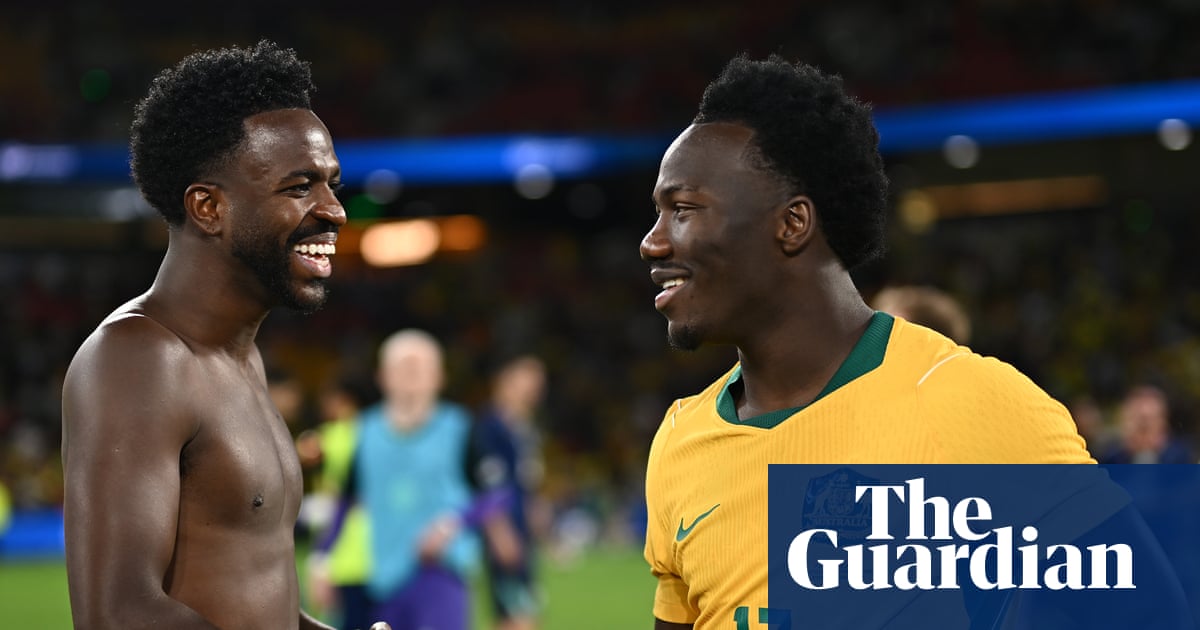
As Sky Sports pre-match coverage confirmed, both players had failed physical tests on the morning of the match. The losses forced Bournemouth winger Rayan into an unexpected starting role. Real Madrid teenager Endrick was held on the bench as Ancelotti chased defensive stability.
Under the Scanner: Paquetá and Raphinha’s Hamstring Failures
Lucas Paquetá’s injury occurred during a high-speed sprint in the final minutes of Brazil’s Round of 32 win over Japan. Imaging scans later revealed minor fiber disruption in the biceps femoris muscle. The West Ham midfielder underwent intense manual physical therapy, but the three-day turnaround was too short.
The recovery timeline for Paquetá’s grade-one strain is estimated at three weeks. He will miss West Ham’s initial pre-season training sessions in London. The medical staff refused to risk a complete tendon rupture that would require surgery.
Raphinha’s case is a classic example of chronic muscular overload. The Barcelona winger has played heavy minutes across domestic and European matches. The medical team diagnosed him with severe hamstring fatigue, warning that another match would trigger a long-term tear.
Raphinha's absence exposed the thinness of Brazil’s attacking depth. Rayan struggled to provide the necessary width on the right wing. Ancelotti’s cautious approach restricted the team's natural movements in the final third.
Rushing players back from soft-tissue strains during tournament play is a dangerous gamble. Hamstring fibers are highly vulnerable to eccentric loading during rapid acceleration. The medical department made the correct clinical decision, but the sporting cost was devastating.
Haaland’s Neck Crisis and the 80th-Minute Hammer
Norway had their own physical scare to manage during the match. Erling Haaland was seen using a large ice pack on his neck during a hydration break in the 70th minute. The Manchester City forward was suffering from acute muscle spasms under the heavy Jersey heat.
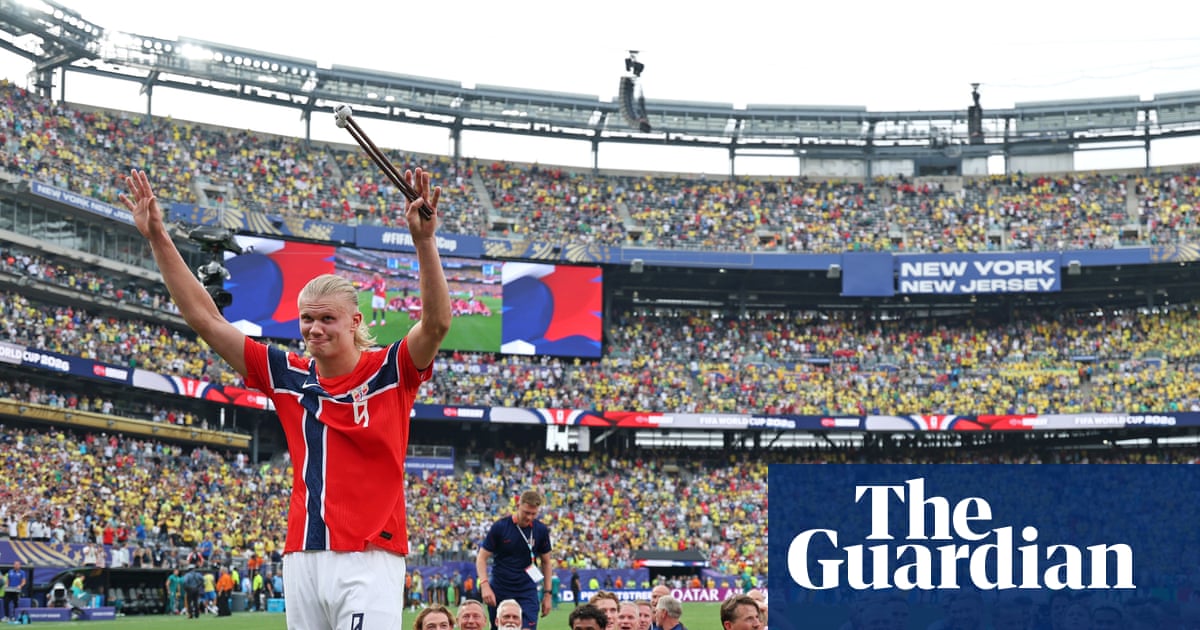
The Norwegian medical team applied topical pain relief and performed rapid manual traction on the sideline. Haaland returned to the pitch and delivered the decisive blow in the 80th minute. He rose above Gabriel to meet a floating cross from Schjelderup and headed it past Alisson.
The winning goal highlighted Norway's superior physical preparation and conditioning. While Brazil collapsed under their injury problems, Haaland fought through discomfort to seal the victory. The striker now has six goals in the tournament.
Solbakken’s direct tactical approach worked perfectly under the physical constraints. The manager utilized his substitutes effectively, introducing Bobb and Schjelderup at halftime to maintain possession. Ancelotti’s side had no physical or tactical response.
As The Guardian’s live commentary detailed, Haaland’s physical presence occupied both central defenders. His movement created space for the Norwegian midfield to advance. Gabriel was simply overpowered in the air when the cross arrived.
Historical Precedents and the Rushed Comeback Trap
Rushing half-fit stars into high-intensity matches has a history of ending in disaster. In 2002, France rushed a half-fit Zinedine Zidane back from a thigh injury, only to suffer a group-stage exit. Brazil’s medical team avoided that mistake but fell into another trap with Neymar.
Neymar was subbed on in the 68th minute but looked completely off the pace. The veteran is still recovering from his own long-term knee reconstruction. He struggled to find any separation against a compact Norwegian midfield.
Professional sports science shows that reconstructed joints require months of progressive loading. Scar tissue lacks the elasticity of healthy muscle fibers, increasing the risk of secondary tears. Neymar’s insertion looked more like a desperate marketing move than a medical decision.
The oily gears of Brazil's media machine were furious with the manager’s reliance on compromised veterans. Newspapers lamented that the European revolution under Ancelotti had failed to address basic squad fitness. The team looked physically exhausted by the final whistle.
Commercial Ruins and the Quarter-Final Bracket
The commercial fallout from Brazil’s exit will be massive. Broadcasters had heavily promoted a potential quarter-final between Brazil and England. That lucrative fixture is now gone, replaced by a matchup that will draw far smaller television audiences.
Norway’s victory validates their long-term developmental philosophy. As The Guardian reported, the country’s youth model prioritizes participation and joy over early specialization. This broad base has generated a resilient team capable of beating world champions.
Solbakken’s medical team must now focus on Haaland’s neck spasms ahead of their next match. The striker’s fitness will decide if Norway can progress further in this grueling tournament. The physical demands of the expanded bracket will continue to test every squad.
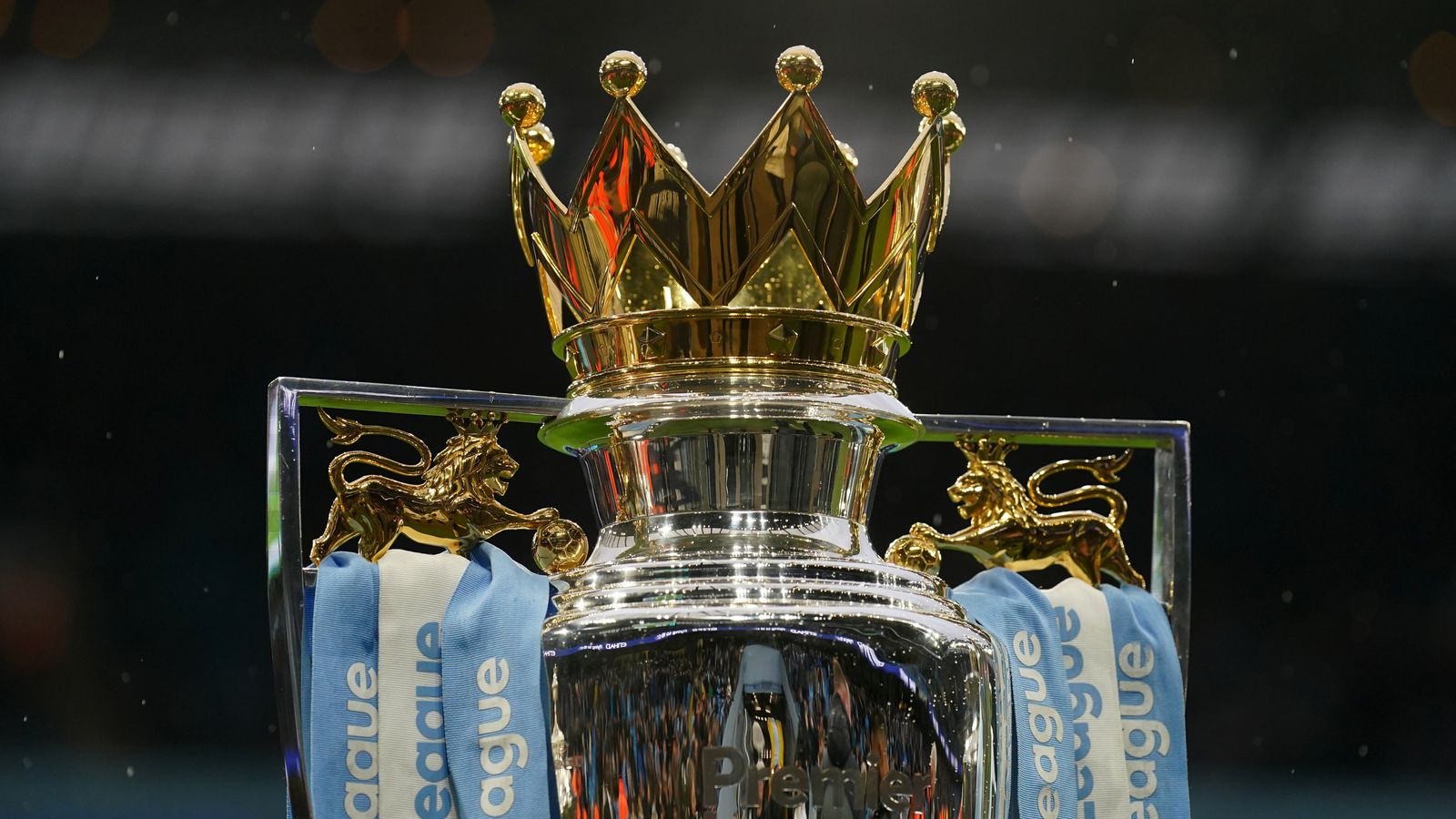
Ultimately, this tournament is proving to be a test of biological endurance. The team that manages its soft-tissue workloads most effectively will raise the trophy. Brazil are heading home to rebuild, leaving a fit and disciplined Norway to dream of glory.
“If Brazil win no one will care. But get rid of the distinctive kit and this could be Everton v Fulham.”
Read Next
- Can England actually stop Erling Haaland or are we just praying for rain?
- Why Saturday's World Cup clash with Norway is England's ultimate trap game
- Why Erling Haaland will expose England's defensive crisis in the last eight
- England's World Cup betting circus is masking a tactical train wreck
- 🏆 World Cup 2026 — Full Coverage Hub
- 🇧🇷 Brazil World Cup 2026 — A Seleção Hub